Understanding the potential nutrient deficiencies celiac children experience is a crucial step in managing the condition, given that Celiac Disease affects about 1.7 percent of the population and impairs the body’s ability to absorb vital elements. The primary damage caused by gluten to the villi of the small intestine directly impacts nutrient absorption. Even after diagnosis and starting a strict gluten-free diet, you must actively monitor your child’s nutritional status to ensure complete recovery and healthy development.
Why Nutrient Deficiencies Celiac Children Experience Occur
Before diagnosis, the immune system’s reaction to gluten damages the delicate lining of the small intestine. This damage means that nutrients from food cannot be efficiently absorbed into the bloodstream. Even after the child adopts a gluten-free diet, the small intestine takes time—sometimes months or years—to fully heal and function optimally. You must be proactive in testing and supplementing during this recovery period.
The 7 Most Common Nutrient Deficiencies Celiac Children Face
Certain vitamins and minerals are notoriously difficult for the damaged intestine to absorb. You should actively discuss testing for these key seven deficiencies with your child’s physician or dietitian.
1. Iron (Anemia)
Iron deficiency, leading to anemia, is one of the most frequent nutrient deficiencies celiac children exhibit. Damage to the upper small intestine, where iron absorption primarily occurs, prevents the body from taking in this essential mineral. Symptoms often include fatigue, paleness, and shortness of breath. You must actively supplement iron under medical guidance and focus on iron-rich, naturally gluten-free foods like red meat, beans, and fortified cereals.
2. Vitamin D
Vitamin D deficiency is exceptionally common in Celiac patients. This fat-soluble vitamin relies on a healthy gut lining for absorption. Furthermore, many children with Celiac Disease may also limit dairy due to temporary lactose intolerance, further reducing their intake. Vitamin D is crucial for bone health, immune function, and calcium absorption. You should actively ensure your child receives adequate sun exposure and a physician-recommended Vitamin D supplement.
3. Calcium
Calcium works directly with Vitamin D to build and maintain strong bones and teeth. Because malabsorption is common before diagnosis, many children enter the recovery phase with a lower-than-ideal bone mineral density. If your child also temporarily avoids dairy (due to secondary lactose intolerance), their calcium intake drops further. You must actively encourage consumption of safe, non-dairy calcium sources like fortified orange juice, canned fish with bones, and leafy green vegetables.
4. Folate (Vitamin B9)
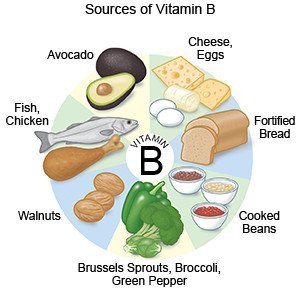
Folate, or folic acid, is another key B-vitamin that the small intestine struggles to absorb when inflamed. This vitamin is essential for cell division, red blood cell production, and healthy growth. While many traditional grain products are fortified with folate, the elimination of these from the diet can compound the deficiency. You should actively encourage foods rich in folate, such as dark green vegetables, nuts, and avocados, to combat this specific nutrient deficiencies celiac children may suffer.
5. Vitamin B12 (Cobalamin)
Vitamin B12 is essential for nerve function and blood formation. While B12 is absorbed lower down in the small intestine, severe inflammation throughout the gut can still impair its uptake. Additionally, if the child develops secondary issues like pernicious anemia, B12 absorption may be further complicated. You must monitor B12 levels closely, especially if your child reports tingling or persistent weakness.
6. Zinc
Zinc is a powerful trace mineral crucial for immune system function, growth, wound healing, and taste perception. Malabsorption of zinc is a known issue for nutrient deficiencies celiac children. Low zinc levels can slow the healing of the small intestine itself, creating a vicious cycle. You should actively include zinc-rich foods like beef, pumpkin seeds, and legumes in their diet to aid in gut recovery and overall health.
7. Magnesium
Magnesium is involved in hundreds of bodily reactions, including muscle and nerve function, blood sugar control, and blood pressure regulation. Malabsorption combined with increased loss due to diarrhea (a common symptom before diagnosis) can lead to deficiency. You must ensure your child is eating plenty of magnesium-rich foods like dark chocolate, nuts, seeds, and bananas to actively replenish these stores.
Active Management of Nutrient Deficiencies Celiac Children: nutrient deficiencies celiac children
Identifying and treating these deficiencies is an active partnership between you, your child’s doctor, and a specialized dietitian.
Regular Blood Testing
You must advocate for regular blood tests—initially every few months, then annually—to actively monitor levels of Vitamin D, Iron, Ferritin, Calcium, and Vitamin B12. Treatment should be based on these lab results, not guesswork.
Tailored Supplementation
While a healthy, naturally gluten-free diet is the long-term solution, you must actively supplement during the recovery phase to quickly correct severe deficiencies. Always choose supplements that are third-party certified gluten-free, as many commercial vitamins can contain hidden gluten.
Focus on Naturally GF Foods: nutrient deficiencies celiac children
The best way to ensure long-term nutrient intake is to shift the diet away from processed gluten-free substitutes (which can be nutrient-poor) toward whole, naturally gluten-free foods. You must actively prioritize fruits, vegetables, lean proteins, legumes, and nuts to heal the gut and maximize nutrient density.
Correcting the nutrient deficiencies celiac children face is a key part of the recovery process. By actively working with medical professionals, regularly testing nutrient levels, and focusing on a dense, whole-foods diet, you ensure your child’s small intestine heals completely, allowing them to thrive and enjoy excellent long-term health.
Just as you actively prioritize nutritional intake to correct deficiencies, maintaining robust cardiovascular health is equally vital. We encourage you to visit cardiachq.com to learn more about proactive heart health and overall wellness for your entire family.
We want to hear from you: What is one specific, naturally gluten-free food that you actively rely on to ensure your child gets enough iron or calcium? Share your family-favorite recipes below!