Master the challenges of Picky Eating with ADHD. Learn expert strategies for addressing low interoception not feeling hunger, managing impulsive food choices, and counteracting medication-induced appetite suppression to ensure your child’s stable nutrition and health.
Picky Eating with ADHD creates a perfect storm of nutritional challenges, blending selective eating habits with core ADHD symptoms like inattention, impulsivity with food choices, and executive dysfunction. The feeding challenges in this population are often compounded by three primary issues: low interoception difficulty recognizing internal body signals like hunger or fullness, impulse control issues that lead to overeating of hyper-palatable foods, and medication-induced appetite suppression. Successfully managing Picky Eating with ADHD requires a highly structured, external system to ensure consistent calorie and nutrient intake, thereby supporting brain function and overall physical health a cornerstone of long-term wellness.

1. Addressing Low Interoception and Impulsivity with Structure
The foundation of managing Picky Eating with ADHD is externalizing the structure that the child struggles to generate internally. Because children with ADHD often have low interoception difficulty sensing hunger and struggle with impulsivity with food choices, we must rely on rigid schedules and pre-planned meals.
Externalizing the Hunger Cue with Fixed Schedules
For a child with low interoception, waiting for them to say, “I am hungry” is unreliable and often results in missed meals or eating until they feel sick. The solution is the Fixed Schedule model:
- Structured Mealtimes: Implement non-negotiable, scheduled mealtimes and snack times for example, three meals and two set snacks. These external reminders bypass the faulty interoceptive signals.
- No Grazing: Strictly adhere to the schedule. No food or caloric drinks only water should be available between the set times. This allows the child to arrive at the table with genuine, albeit unacknowledged, hunger, motivating them to eat the food provided.
This rigid schedule is the first line of defense against Picky Eating with ADHD, providing the predictability and external cues necessary for consistent calorie intake.
Managing Impulsivity with Food Choices
The executive dysfunction in ADHD often manifests as impulsivity with food choices, leading children to hyper-focus on and demand hyper-palatable foods high sugar, high fat, high sodium while struggling to transition to varied, nutritious options.
- Remove the Choice: The simplest way to manage impulsivity is to remove the highly tempting, non-nutritious options from the accessible environment. If the child only asks for chips or sugary cereal, ensure those items require adult permission or are not stocked in the house.
- The Division of Responsibility sDOR: The parent decides what and when. This empowers the parent to offer a balanced meal always including a safe food, while the child retains control only over how much they eat. This framework manages the impulse to overeat only the preferred food, as the structure limits access. Mastering the sDOR model is crucial for long-term management of Picky Eating with ADHD.
2. Counteracting Medication-Induced Appetite Suppression
The most clinically challenging aspect of managing Picky Eating with ADHD is navigating medication-induced appetite suppression, as many stimulant medications reduce hunger signals during peak school hours. This requires a precise nutritional strategy focused on maximizing intake when the medication’s effect is lowest.
Timing the Caloric Windows
The strategy for handling medication-induced appetite suppression is to shift the bulk of the child’s caloric and nutrient intake to when the medication is least active:
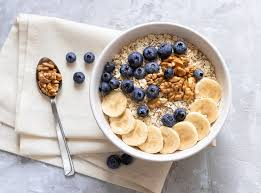
- The “Breakfast Load”: Provide a large, nutrient-dense breakfast before the medication is administered. Since the medication has not yet taken effect, this is the prime window for high-calorie, high-protein consumption. Examples include fortified oatmeal, scrambled eggs, or high-calorie smoothies.
- The “Dinner Catch-Up”: Design the evening meal after the medication has worn off, typically six to eight hours after the morning dose to be the largest and most calorie-dense of the day. This is the child’s best opportunity to replenish the energy and protein deficit accumulated during the school day.
This strategic timing ensures the child gets essential energy and protein, directly mitigating the risks of medication-induced appetite suppression and supporting healthy growth trajectory.
Maximizing Nutrient Density
Because the child has a limited window for intake, every bite counts. The Picky Eating with ADHD expert advises maximizing the nutrient density of the foods they will accept:
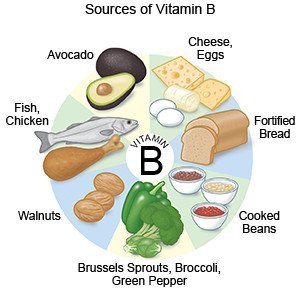
- Fat and Protein Fortification: Add healthy fats and protein to safe foods. For example, stir high-calorie oils avocado or coconut oil or safe seed nut butters into tolerated cereals, yogurts, or toast. This boosts calorie and protein intake without increasing volume significantly.
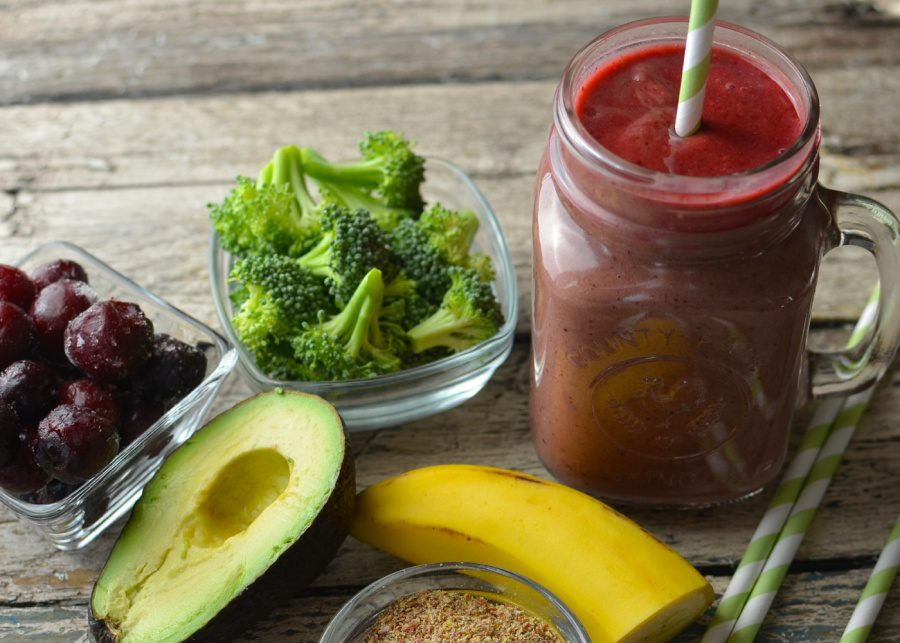
- Liquid Calories: High-calorie, nutrient-dense liquids like fortified smoothies or shakes made with protein powder, safe fruit, and healthy fats are often easier for children with medication-induced appetite suppression to consume quickly than solid food.
3. Systematic Food Exposure and Skill Building
While structure and timing address the volume, the challenge of Picky Eating with ADHD the restricted food repertoire still requires systematic, low-pressure exposure to expand the diet and address sensory aversions often co-occurring with ADHD.
Low-Pressure Sensory Exploration
Because children with ADHD are often sensory-seeking or sensory-avoiding, food exposure must be integrated into structured, short activities. The focus is on small, predictable steps to challenge the impulsivity with food choices and sensory rigidity:
- One New Item Rule: At the dinner catch-up meal, always include a tiny portion of a new food next to the safe food. The only rule is that the child must tolerate the food being on the plate. No pressure to touch or eat. This consistent, low-demand exposure, tailored to the Picky Eating with ADHD profile, slowly desensitizes the child to novelty.
- Visual Supports for Exploration: Use simple visual rating scales for example, a chart showing “Yucky” face to “Yummy” face for new foods. This provides a clear, structured way for the child to communicate their experience without an impulsive emotional meltdown.
Building Interoception Through Mindfulness
Addressing low interoception is a long-term goal. While the schedule provides the external cue, the internal awareness can be improved through structured conversations:
- Pause and Check-In: At the beginning of a meal, ask the child simple, non-judgmental questions: “How does your stomach feel right now? Empty? Full?” After the meal, ask, “How did that food change how your stomach feels?” This structured dialogue helps them connect physical sensations with verbal labels, improving the accuracy of their interoception over time.
4. Long-Term Health and Wellness for Picky Eating with ADHD
Successfully managing the multifaceted challenges of Picky Eating with ADHD is critical for sustained brain health, stable mood, and physical growth.
Nutritional Resilience and Brain Function
Consistent calorie and nutrient intake directly supports executive function. Missing meals, often a consequence of low interoception or medication-induced appetite suppression, leads to blood sugar dips that exacerbate inattention, irritability, and hyperactivity all core ADHD symptoms. By adhering to the structured feeding plan, parents ensure the brain has the constant fuel it needs to function optimally. This sustained nutritional stability is a powerful tool for anti-aging resilience, ensuring the body can handle the demands of the condition. The strategies used to manage Picky Eating with ADHD serve a vital role in protecting long-term systemic health. For essential resources on the relationship between chronic stress, nutrition, and cardiovascular wellness, consult cardiachq.com.
As an expert in Picky Eating with ADHD, what is the single most effective “breakfast load” strategy you recommend for maximizing calorie and protein intake before medication takes effect? Share your best practical tip!