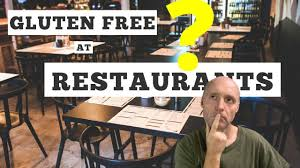
Restaurant questions for gluten-free dining are crucial when you take your child out to eat, especially since about 1.7 percent of the population has Celiac Disease or follows a strict gluten-free diet. When you dine out, you become your child’s first and most important line of defense against accidental gluten exposure. You must know what to ask to ensure their meal is safe. Asking the right questions actively protects your child and transforms what could be a stressful experience into a fun, worry-free family outing.
Preparing Before You Go: The First Three Restaurant Questions for Gluten-Free Success
Smart preparation always makes for a smoother dining experience. Never wait until the server is standing over you to start your inquiry. Take the time to do some homework first.
1. Does the Restaurant Offer a Dedicated Gluten-Free Menu?
This is the very first and easiest step. Before you even walk in the door, quickly check the restaurant’s website or call ahead. Many establishments proudly feature a separate menu specifically labeled “Gluten-Free.” This is often a great sign that they take allergies seriously. A dedicated menu means they have already identified safe options, saving you significant time and effort once you arrive. If they have one, ask them to confirm if they use separate preparation methods for those items.
2. Can I Speak to a Chef or Manager About Food Allergies?
If the website looks promising, call the restaurant during a non-peak hour (like mid-afternoon). Politely ask to speak with the manager or, even better, a chef. Tell them directly that your child has a medically necessary gluten-free requirement. This proactive conversation allows you to ask detailed restaurant questions for gluten-free safety without the pressure of a busy dining room. A willingness from the staff to engage in this conversation is a strong indicator of their training and commitment.
3. Are the Ingredients in the Sauce or Marinade Gluten-Free?
Sometimes, the seemingly safest options hide gluten in unexpected places. Sauces, dressings, and marinades are common culprits. For example, many soy sauces contain wheat, and some barbecue sauces use flour as a thickener. Always ask about the ingredients used in any liquid component of a dish, such as the gravy on the mashed potatoes or the teriyaki on the chicken. You must confirm that these elements are made using certified gluten-free products.
The Essential Six Restaurant Questions for Gluten-Free Cross-Contamination
Cross-contamination is the number one threat to a gluten-free diet in a standard kitchen. This occurs when gluten-containing food touches gluten-free food, equipment, or surfaces. Your primary goal is to ensure the kitchen staff actively avoids this transfer. You must use focused restaurant questions for gluten-free dining to address this concern.
4. Do You Use a Separate Cutting Board and Utensils for Gluten-Free Orders?
Imagine a chef slicing bread on a cutting board, then immediately using the same board to prepare your child’s lettuce wrap. Even small crumbs can cause a reaction. You must confirm that the kitchen staff uses designated, clean cutting boards and fresh, washed utensils when handling your child’s meal. This simple step vastly reduces the risk of accidental exposure.
5. Do You Have a Dedicated Fryer for French Fries or Chips?
The shared fryer is a notorious source of cross-contamination. If the restaurant fries breaded items like onion rings, chicken tenders, or calamari in the same oil as the French fries, those fries are no longer safe. You must ask: “Do you use a separate fryer solely for gluten-free items, or are there breaded items cooked in the same oil?” If the answer is no, you must skip any fried food entirely. These specific restaurant questions for gluten-free children are non-negotiable for safety.
6. Do You Use Separate Water for Boiling Pasta?
If your child orders a gluten-free pasta dish, ensure the kitchen does not boil it in the same water as regular, wheat-based pasta. The starch and residue left behind in shared boiling water will instantly contaminate the gluten-free portion. Your question should be direct: “Will this gluten-free pasta be cooked in fresh, uncontaminated water?”
7. How Do You Cook the Grilled Meats?
Grills and flat tops often present another contamination risk. If they toast buns or cook pancakes (which contain gluten) on the same surface as they cook your child’s chicken breast or burger patty, cross-contact occurs. Ask if they can cook your child’s meat on a fresh piece of aluminum foil placed on the grill surface or, ideally, on a separate, cleaned section of the grill that hasn’t been used for bread or flour products.
8. Who Prepares the Gluten-Free Meal?
This is a critical procedural question. In a busy kitchen, orders can get confused. Ask if a specific, trained member of the kitchen staff, often a lead cook or the expediter, is responsible for the final handling and plating of allergy orders. Knowing a responsible person is actively overseeing the process provides immense peace of mind. Consistent use of restaurant questions for gluten-free policies helps ensure kitchen compliance.
9. Will the Server Be Aware of the Allergy Protocol?
Servers play a vital role as the communication link between your table and the kitchen. When you place your order, ask the server to explicitly mark the ticket as a “Severe Gluten Allergy” or “Celiac Alert.” You need to confirm that they will personally communicate the cross-contamination precautions to the kitchen staff and that they will be the one to bring the sealed, protected plate directly to the table.
The Final Three Restaurant Questions for Gluten-Free Confirmation
After the order has been placed and before your child takes the first bite, you have two final opportunities to confirm safety.
10. Can You Confirm This Dish Was Prepared with Cross-Contamination Precautions?
When the food arrives at the table, politely ask your server to confirm that the dish in front of you—the specific plate—was made following the established cross-contamination protocols. Do not just accept the plate. The server should be able to confidently confirm this, often having checked the ticket or been instructed to verify with the kitchen before running the food. This step reinforces the seriousness of your restaurant questions for gluten-free needs.
11. Are There Any Hidden Thickeners or Flavorings in this Dish?
Sometimes, things that seem safe, like soup or a vegetable side, use unexpected gluten-containing ingredients. For example, some steamed vegetables are dusted with flour to prevent them from sticking together, and many soups use a roux (butter and flour) for thickening. Do a final check for things like bouillon cubes, pre-packaged spice mixes, or starch thickeners that may contain hidden wheat.
12. If You’re Unsure About an Ingredient, Can We Substitute It?
Always allow for flexibility. If the kitchen staff cannot definitively answer your questions about a particular sauce or side dish, be prepared to request a simple substitution. A plain baked potato instead of mashed, simple olive oil and salt on a salad instead of the house dressing, or plain grilled fish instead of a breaded option. Make sure you actively take control of the ordering process to ensure safety.
Dining out with a gluten-free child requires vigilance, but it does not have to be stressful. By arming yourself with these 12 essential restaurant questions for gluten-free dining, you actively take control of your child’s safety and empower the restaurant staff to serve you correctly. You are setting a clear expectation for safety and adherence. Never feel embarrassed to ask these detailed questions; you are advocating for your child’s health.
We hope this comprehensive guide provides the clarity you need for safe dining. Just as you prioritize dietary health, understanding your cardiovascular health is also key to overall wellness. We recommend you visit cardiachq.com to learn more about maintaining a healthy heart for the entire family.
Now, we turn the question over to you: What is one specific, non-obvious ingredient you always ask about to ensure a dish is safe? Share your tips below!