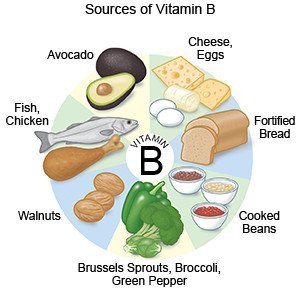
Understanding the importance of B vitamins gluten-free diet management is essential for parents of children with Celiac Disease, because the necessary exclusion of fortified wheat products can lead to critical nutritional gaps. B vitamins are vital for energy production, brain function, and blood health. When a child transitions to a gluten-free diet, you must actively ensure these essential water-soluble vitamins are adequately replaced through whole foods and targeted supplements.
The Dual Threat: Why B Vitamins are Lost
Children with Celiac Disease face a two-fold challenge when it comes to B vitamins:
- Malabsorption: Before diagnosis, the damaged small intestine (specifically the jejunum and ileum) is unable to absorb B vitamins effectively, especially folate and B12.
- Dietary Exclusion: The majority of conventional breads, cereals, and flours are enriched or fortified with B vitamins (like Thiamin, Riboflavin, Niacin, and Folate). When these gluten-containing items are removed, the primary source of these essential nutrients is lost from the diet.
You must actively address both the prior malabsorption and the current exclusion of fortified foods to correct deficiencies.
4 B Vitamins Gluten-Free Diet Parents Must Actively Monitor
While all eight B vitamins are important, these four are the most commonly deficient in children managing a gluten-free diet.
1. Folate (Vitamin B9)
Folate is critical for cell growth, DNA synthesis, and the production of red blood cells. Deficiency can be particularly serious for growing children. Since fortified flours are a major source in the standard diet, you must ensure a B vitamins gluten-free diet plan is rich in natural folate sources.
- Action Plan: Actively incorporate dark green leafy vegetables (spinach, kale), legumes (beans, lentils), asparagus, and citrus fruits into your child’s meals daily.
2. Vitamin B12 (Cobalamin)
B12 is essential for nerve function and blood formation. Deficiency can lead to neurological issues and a specific type of anemia. B12 is unique because it is primarily found in animal products.
- Action Plan: Ensure your child eats sufficient meat, fish, eggs, and dairy. If your child is vegetarian or vegan, you must actively provide a B12 supplement and foods fortified with the vitamin.
3. Thiamin, Riboflavin, and Niacin (B1, B2, B3)
These vitamins are responsible for converting food into energy, supporting a healthy metabolism, and maintaining healthy skin and nerves. Their absence from fortified GF substitutes often creates a nutritional void.
- Action Plan: Focus on whole, naturally rich sources like lean meats, poultry, fish, eggs, and legumes to replace the lost nutrients.
4. Vitamin B6 (Pyridoxine)
B6 supports brain development and function, helps the body make red blood cells, and plays a role in immunity. Deficiency can impact mood and concentration.
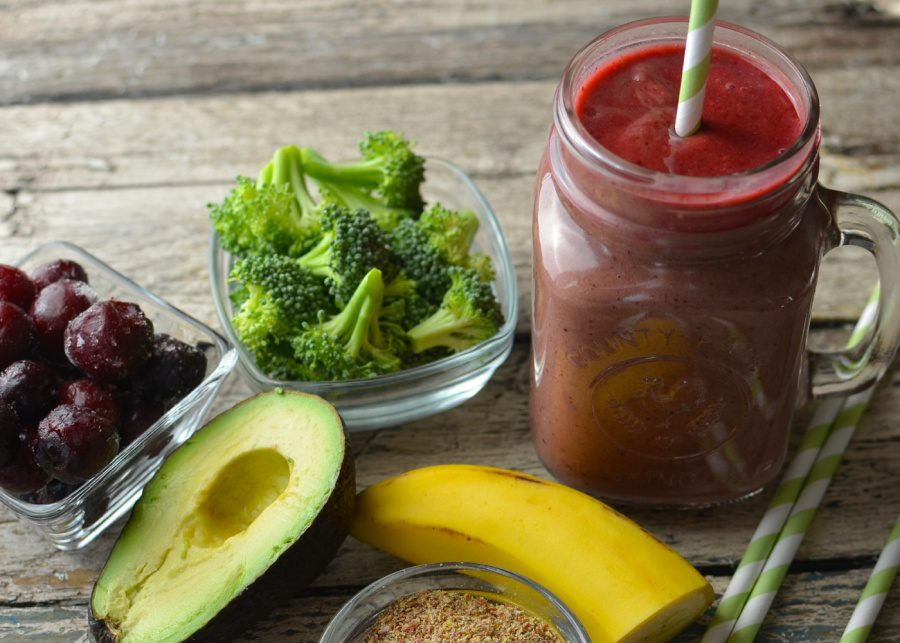
- Action Plan: Actively include sources like salmon, bananas, potatoes, and chickpeas in their regular diet.
5 Active Strategies for B Vitamins Gluten-Free Diet Success
Successfully managing these nutrient needs involves more than just eating a few extra vegetables; it requires a structured, active approach to meal planning and supplementation.
5. Prioritize Naturally Gluten-Free Whole Grains
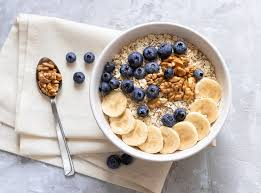
When replacing gluten-containing foods, you must actively choose whole-grain options that naturally contain B vitamins rather than relying solely on refined GF flours. Prioritize quinoa, brown rice, certified gluten-free oats, and millet.
- Reasoning: These whole grains retain their natural B vitamin content, unlike many highly processed GF substitutes.
6. Introduce Nutritional Yeast
Nutritional yeast is a culinary powerhouse often fortified with a complete complex of B vitamins, including B12. It has a cheesy, savory flavor that many children enjoy.
- Action Plan: Actively sprinkle nutritional yeast over popcorn, pasta, eggs, or steamed vegetables to provide a daily, measurable boost of B vitamins gluten-free diet needs.
7. Consult a Dietitian for Targeted Supplementation
While a diverse diet is the goal, immediate supplementation is often necessary to correct existing deficiencies and ensure optimal levels while the gut heals. You must actively consult a Celiac-specialized dietitian or physician to determine the correct dose and type of B-complex supplement.
- Warning: Always ensure the supplement is third-party certified gluten-free, as hidden gluten can be found in some vitamin casings or fillers.
8. Focus on Food Synergy for Absorption
B vitamins work best when consumed together and alongside certain co-factors. You should actively create meals that include a variety of B-rich foods at once.
- Example: Serve black beans (folate, B6) with lean pork (Thiamin, Niacin) and a side of brown rice (various B vitamins) to maximize the synergistic effects.
9. Educate Your Child on Food Choices
Empower your child to take an active role in their health. Teach them which foods are their “B vitamin boosters.” Explain in simple terms why they need to eat eggs and greens—for energy and a strong brain. This active education encourages smart food choices when they are away from home. Consistent awareness is a vital part of managing a B vitamins gluten-free diet long-term.
Ensuring your child receives adequate B vitamins gluten-free diet requires ongoing vigilance, but the payoff is immense: strong energy levels, healthy neurological development, and optimal recovery from Celiac damage. By taking these nine active, proactive steps, you confidently cover these critical nutritional bases.
Just as you actively manage your child’s nutritional health for energy and growth, maintaining robust cardiovascular health is essential for overall well-being. We encourage you to visit cardiachq.com to learn more about proactive heart health and wellness for your entire family.
We want to hear from you: What is your child’s favorite recipe that successfully incorporates beans or lentils (high in B vitamins) into their B vitamins gluten-free diet? Share your family-friendly solution below!