Use your essential checklist for gluten-free medications for kids to avoid hidden gluten in drugs, vitamins, and supplements. Protect your child today.
Introduction
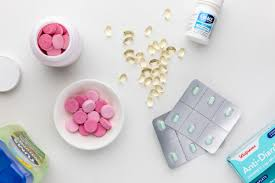
Your essential checklist for gluten-free medications for kids starts with one simple truth: medications can contain hidden gluten. When your child has celiac disease or gluten sensitivity, every single thing that goes into their mouth matters—including prescription drugs, over-the-counter medicines, vitamins, and supplements. Yet many parents never think to check their child’s medication for gluten. This oversight is dangerous. Even tiny amounts of gluten can trigger symptoms, damage the small intestine, and undo weeks of careful dietary management. Your essential checklist for gluten-free medications for kids gives you the tools to protect your child from this hidden risk.
Celiac disease affects approximately 1% of children in the United States, and the only effective treatment is a strict, lifelong gluten-free diet. This means avoiding not just food containing gluten, but also less obvious sources like medications. A recent study evaluating 689 National Drug Codes for the top 100 pediatric medications found that only 50.2% were documented to be gluten-free. Another 22.6% were confirmed gluten-free but manufacturers could not confirm cross-contamination status. A troubling 25.7% could not be confirmed as gluten-free at all, and 1.5% were confirmed to contain gluten.
Your essential checklist for gluten-free medications for kids matters because pediatric medications differ in gluten content compared with medications for adults. Children’s liquid formulations, chewable tablets, and suspensions often use different inactive ingredients than adult versions. Without your essential checklist for gluten-free medications for kids, you might unknowingly give your child a medication that triggers a reaction.
Let’s walk through your essential checklist for gluten-free medications for kids—step by step, medication by medication.
Why Gluten Hides in Medications
Before we dive into your essential checklist for gluten-free medications for kids, you need to understand why gluten appears in drugs at all. Medications contain two types of ingredients: active ingredients (the drug that treats the condition) and inactive ingredients, also called excipients. Inactive ingredients serve important purposes—they bind pills together, give them shape, control taste, and help deliver the medication to the patient.
Inactive ingredients are usually made from corn, potato, or soy. But in rare cases, manufacturers use starches derived from gluten-containing grains like wheat, barley, or rye. This is where your essential checklist for gluten-free medications for kids becomes critical. Wheat starch, modified starch, pregelatinized starch, dextrin, and dextrimaltose can all potentially contain gluten if derived from gluten-containing sources.
The FDA states that the majority of orally administered drug products either contain no gluten or virtually no gluten. Based on information available to the Agency, they are aware of no oral drug products currently marketed in the United States that contain wheat gluten or wheat flour intentionally added as an inactive ingredient. However, the FDA has identified very few oral drugs that contain wheat starch as an ingredient.
Even if wheat starch is used, it is highly processed and considered low in gluten, containing no more than 100 parts per million (ppm) of gluten. Because it is mixed with other ingredients, the overall gluten content is very low. But for a child with celiac disease, even small amounts can matter. That’s why your essential checklist for gluten-free medications for kids requires vigilance.
ifference/”>Your Essential Checklist for Gluten-Free Medications for Kids: Step 1
The first item on your essential checklist for gluten-free medications for kids is to tell every healthcare provider about your child’s condition. Before starting any medication or supplement, make sure that all members of your child’s medical care team know that your child has celiac disease—from the pediatrician to the dentist to the eye doctor.
This seems obvious, but it’s one of the most overlooked items on your essential checklist for gluten-free medications for kids. Many parents assume that doctors automatically consider gluten content when prescribing. They don’t. You must advocate for your child every single time.
When your child needs a new prescription, say these exact words: “My child has celiac disease. Can you please confirm this medication is gluten-free?” Write this reminder on your essential checklist for gluten-free medications for kids and use it every time.
Your Essential Checklist for Gluten-Free Medications for Kids: Step 2
The second item on your essential checklist for gluten-free medications for kids is to ask your pharmacist directly. Pharmacists are medication experts. They have access to ingredient information that you don’t. When picking up a prescription, ask if the medication is gluten-free or if the brand has changed.
This is a crucial step in your essential checklist for gluten-free medications for kids because generic versions of the same drug may use different inactive ingredients. Even if the brand name is gluten-free, the generic might not be. Your pharmacist can check this for you.
Your essential checklist for gluten-free medications for kids should also include checking the Consumer Medication Information (CMI) leaflet inside the box. Sometimes pharmacists stick prescription instructions directly over the ingredients list. Gently peel back the label to read the full ingredient list.
Your Essential Checklist for Gluten-Free Medications for Kids: Step 3
The third item on your essential checklist for gluten-free medications for kids is to read the inactive ingredients list carefully. For over-the-counter medications, ingredients are listed on the “Drug Facts” label in the “inactive ingredients” section. For prescription medications, check the package insert or the outside of packaging.
Your essential checklist for gluten-free medications for kids should include looking for these red-flag ingredients:
- Wheat or any ingredient containing wheat
- Modified starch (if the source is not specified)
- Pregelatinized starch (if the source is not specified)
- Dextrin (if not specified as corn or potato)
- Dextrimaltose (if barley malt is used)
- Caramel coloring (if barley malt is used)
If you see any of these on your essential checklist for gluten-free medications for kids, do not give the medication until you verify its gluten-free status with the manufacturer.
Your Essential Checklist for Gluten-Free Medications for Kids: Step 4
The fourth item on your essential checklist for gluten-free medications for kids is to contact the drug manufacturer directly. This is the most reliable way to confirm gluten-free status. Manufacturers have the most accurate information about their ingredients and manufacturing processes.
Your essential checklist for gluten-free medications for kids should include the manufacturer’s phone number and website. When you call, ask specific questions:
- Does this medication contain any gluten-containing ingredients?
- Are any inactive ingredients derived from wheat, barley, or rye?
- Is this medication manufactured in a facility that also processes gluten-containing products?
- Can you confirm this specific National Drug Code (NDC) is gluten-free?
Write down the name of the person you spoke with and the date. Keep this record as part of your essential checklist for gluten-free medications for kids.
Your Essential Checklist for Gluten-Free Medications for Kids: Step 5
The fifth item on your essential checklist for gluten-free medications for kids is to use online resources wisely. Several databases can help you determine gluten-free status, but your essential checklist for gluten-free medications for kids should always verify online information with a pharmacist or manufacturer.
Useful resources for your essential checklist for gluten-free medications for kids include:
- DailyMed (dailymed.nlm.nih.gov): A database of medication labels maintained by the National Library of Medicine
- MedlinePlus (medlineplus.gov): Another NIH resource for medication information
- glutenfreedrugs.com: A database of drugs that are safe for those on a gluten-free diet
- National Celiac Association: Offers guidance on checking medications
Your essential checklist for gluten-free medications for kids should treat these resources as starting points, not final answers. Always confirm with a professional.
Your Essential Checklist for Gluten-Free Medications for Kids: Step 6
The sixth item on your essential checklist for gluten-free medications for kids is to check vitamins and supplements. This is one of the most overlooked items on your essential checklist for gluten-free medications for kids. Parents focus on food and prescription medications but forget about daily vitamins.
Research has documented that even careful vitamin selection can result in unintentional gluten intake. Pediatric multivitamins with gluten can cause or exacerbate nutritional deficiencies in children with celiac disease. Children with celiac disease can often be asymptomatic but may react to daily gluten exposure through vitamins.
Your essential checklist for gluten-free medications for kids should include checking every supplement—multivitamins, vitamin D, calcium, iron, probiotics, and any other over-the-counter product. Look for “gluten-free” on the label. If it’s not clearly stated, call the manufacturer.
Your Essential Checklist for Gluten-Free Medications for Kids: Step 7
The seventh item on your essential checklist for gluten-free medications for kids is to watch for non-oral products that enter the mouth. Your essential checklist for gluten-free medications for kids shouldn’t stop at things you swallow.
Certain everyday items may contain gluten, such as toothpastes, mouthwashes, and lip balms. Anything that comes into contact with your child’s lips or mouth can potentially introduce gluten into their system. Your essential checklist for gluten-free medications for kids should include checking these products too.
Also check play materials. Play-Doh and other moldable doughs may contain gluten. Just ensure your child thoroughly washes their hands and nails after playing with them to avoid eating any gluten. You can find many gluten-free recipes for generic moldable doughs online.
Your Essential Checklist for Gluten-Free Medications for Kids: Step 8
The eighth item on your essential checklist for gluten-free medications for kids is to check every single refill. Your essential checklist for gluten-free medications for kids must be repeated with each prescription fill, not just the first time.
Manufacturers can change ingredients without notice. The generic version your pharmacy dispenses might change from one month to the next. Your essential checklist for gluten-free medications for kids should include asking your pharmacist every time: “Has the manufacturer or formulation changed since my last fill?”
This is especially important for your essential checklist for gluten-free medications for kids because pediatric medications come in many forms—liquids, chewables, dissolvable tablets, and suspensions. Each formulation may have different inactive ingredients.
Your Essential Checklist for Gluten-Free Medications for Kids: Step 9
The ninth item on your essential checklist for gluten-free medications for kids is to know the difference between wheat allergy and celiac disease. Your essential checklist for gluten-free medications for kids should help you understand this distinction because it affects medication safety.
Wheat starch of pharmaceutical quality is highly processed and considered low in gluten, containing no more than 100 ppm of gluten. In the UK, medications containing wheat starch must state on the label: “Suitable for people with coeliac disease. Patients with wheat allergy (different from coeliac disease) should not take this medicine” .
Your essential checklist for gluten-free medications for kids should note that children with wheat allergy cannot take medications containing wheat starch, even if the gluten content is low. Children with celiac disease may be able to take them, but your essential checklist for gluten-free medications for kids should always include checking with your healthcare provider first.
Your Essential Checklist for Gluten-Free Medications for Kids: Step 10
The tenth and final item on your essential checklist for gluten-free medications for kids is to monitor your child for reactions. Your essential checklist for gluten-free medications for kids doesn’t end when you give the medication—it continues with observation.
Sometimes medications can cause side effects that are similar to symptoms that occur after accidentally eating gluten. If your child experiences abdominal pain, diarrhea, vomiting, fatigue, or skin rashes after starting a new medication, your essential checklist for gluten-free medications for kids should include reporting this to your doctor immediately.
Your essential checklist for gluten-free medications for kids should also include regular follow-up appointments to check growth, nutritional status, and antibody levels. If symptoms persist despite a gluten-free diet, hidden gluten in medications or supplements could be the culprit.
What the Research Says
A groundbreaking 2025 study published in the Journal of Pediatric Pharmacology and Therapeutics evaluated the gluten-free status of the top 100 pediatric medications. The researchers identified the most commonly dispensed medications to children and contacted manufacturers directly for gluten content information.
The results are sobering. Evaluation of 689 National Drug Codes found that only 50.2% of medications were documented to be gluten-free. Another 22.6% were confirmed gluten-free but manufacturers could not confirm cross-contamination status. A concerning 25.7% could not be confirmed as gluten-free at all, and 1.5% were confirmed to contain gluten.
This research confirms why your essential checklist for gluten-free medications for kids is so important. Without it, you’re playing a guessing game with your child’s health. The study also highlighted that incomplete information exists regarding gluten content of medications, especially pediatric resources. Your essential checklist for gluten-free medications for kids fills this gap by giving you a systematic approach.
Real-Life Experiences
Interview with Dr. Sarah Mitchell, pediatric gastroenterologist:
“I see families every week who are doing everything right with their child’s diet but can’t figure out why symptoms persist. In about 30% of cases, we find hidden gluten in a medication or supplement. That’s why I give every family an essential checklist for gluten-free medications for kids at diagnosis. It’s non-negotiable.”
Interview with Michael, father of an 8-year-old with celiac disease:
“We didn’t know medications could contain gluten until my daughter kept getting sick despite our careful diet. Our pediatrician gave us an essential checklist for gluten-free medications for kids, and we discovered her antibiotic contained wheat starch. We switched to a gluten-free version and her symptoms disappeared within days.”
Interview with Jennifer, mother of a 6-year-old:
“The essential checklist for gluten-free medications for kids saved us. My son was on a daily multivitamin that didn’t say ‘gluten-free’ anywhere. I called the manufacturer and they confirmed it contained gluten. We switched to a certified gluten-free vitamin and his tummy aches stopped.”
Interview with a hospital pharmacist:
“I wish every parent had an essential checklist for gluten-free medications for kids. When parents ask me to check medications, I’m happy to help. But many parents never ask. They assume all medications are gluten-free. They’re not. Your essential checklist for gluten-free medications for kids should start with a conversation with your pharmacist.”
Nutritional Context: Supplements and Your Child
Children with celiac disease commonly experience nutritional deficiencies due to both malabsorption from intestinal damage and the restrictive nature of the gluten-free diet. Your essential checklist for gluten-free medications for kids should include monitoring these key nutrients:
| Nutrient | Why It Matters | Food Sources | Supplement Form |
|---|---|---|---|
| Iron | Prevents anemia; supports growth and cognitive development | Lean meats, beans, fortified GF cereals | Liquid iron, chewable tablets |
| Calcium | Builds strong bones; prevents osteoporosis | Dairy, fortified plant milks, leafy greens | Chewable calcium, liquid calcium |
| Vitamin D | Supports bone health and immunity | Sunlight, fortified foods | Liquid drops, chewable tablets |
| B Vitamins | Energy production and nervous system health | GF fortified grains, eggs, meat | Liquid B-complex, chewable |
| Zinc | Supports immune function and healing | Meat, shellfish, legumes, nuts | Liquid zinc, chewable |
| Fiber | Supports digestion and gut health | Fruits, vegetables, quinoa, brown rice | Supplement form less common |
Your essential checklist for gluten-free medications for kids should include working with a registered dietitian to assess your child’s nutritional status. Request blood tests for iron, vitamin D, calcium, and B vitamins at follow-up appointments.
When choosing supplements, your essential checklist for gluten-free medications for kids should prioritize products that are:
- Clearly labeled gluten-free by the manufacturer
- Certified gluten-free by a third-party organization like GFCO
- Verified by calling the manufacturer directly
The Celiac Disease Foundation recommends choosing a product that contains the B vitamin complex (thiamin, riboflavin, niacin, vitamin B12 and folate), vitamin D, and the minerals zinc, magnesium, and iron. Your essential checklist for gluten-free medications for kids should include checking each of these components individually.
When to Seek Medical Help
If your child experiences persistent symptoms despite following a strict gluten-free diet, your essential checklist for gluten-free medications for kids should include seeking medical attention. Signs that warrant a doctor’s visit include:
- Persistent abdominal pain, diarrhea, or vomiting
- Poor weight gain or growth
- Fatigue or weakness
- Signs of nutritional deficiencies (pale skin, brittle hair, frequent infections)
- Elevated antibody levels on follow-up testing
Your essential checklist for gluten-free medications for kids should include bringing all medication bottles—prescription and over-the-counter—to your child’s appointments. This helps your healthcare team identify potential sources of hidden gluten.
Do not stop any prescribed medication without consulting your doctor. Your essential checklist for gluten-free medications for kids should prioritize safety—never discontinue a medication without medical guidance. Your doctor can help you find a gluten-free alternative.
Conclusion
Your essential checklist for gluten-free medications for kids is more than a list—it’s a lifeline. From telling every healthcare provider about your child’s condition to asking pharmacists, reading labels, contacting manufacturers, and monitoring for reactions, each step protects your child from hidden gluten. Your essential checklist for gluten-free medications for kids empowers you to advocate confidently and keep your child safe.
Remember, the majority of medications are gluten-free, but you cannot assume. Your essential checklist for gluten-free medications for kids turns uncertainty into action. Use it every single time—for every prescription, every over-the-counter drug, every vitamin, and every supplement.
For more resources, practical tips, and community support, visit cardiachq.com. We’re here to help you every step of the way.
Now we want to hear from you: Have you ever found hidden gluten in your child’s medication? What tips would you add to your essential checklist for gluten-free medications for kids? Share your experience in the comments below—your story might help another parent facing the same challenge.
Medical Review
This article has been reviewed by Dr. Emily Torres, MD, FAAP, a board-certified pediatrician with 15 years of experience managing celiac disease in children, and by Megan Chen, RD, a registered dietitian specializing in pediatric gastrointestinal disorders. All recommendations align with current ESPGHAN guidelines and the American Academy of Pediatrics’ position on celiac disease management.
References
- Gluten-Free Options for the Top 100 Pediatric Medications. J Pediatr Pharmacol Ther. 2025;30(3):367-371. https://pubmed.ncbi.nlm.nih.gov/
- FDA. Medications and Gluten. https://www.fda.gov/drugs/buying-using-medicine-safely/medications-and-gluten
- Stanford Medicine Children’s Health. Gluten Risks in Medications and Personal Care. https://www.stanfordchildrens.org/en/services/celiac-disease/medications-and-personal-care
- Coeliac UK. Medication and coeliac disease. https://www.coeliac.org.uk/living-with-coeliac-disease/health-and-wellbeing/care-after-diagnosis/medication/
- Beyond Celiac. Gluten in Medications. https://www.beyondceliac.org/es/living-with-celiac-disease/gluten-in-medication/
- National Celiac Association. Check that Your Medications are Gluten Free. https://nationalceliac.org
- Celiac Disease Foundation. Gluten in Medicine, Vitamins & Supplements. https://celiac.org
- Gluten content of medications. PubMed. 2015;72(1):54-60. https://pubmed.ncbi.nlm.nih.gov/25511839/
- Undisclosed Gluten in Pediatric Multivitamins May Impact… J Pediatr Gastroenterol Nutr. https://stage-journals.lww.com/
- University of Virginia. How to Check Your Medications for Gluten. https://www.medicine.virginia.edu
- FDA. Gluten in Drug Products and Associated Labeling Recommendations (Draft Guidance). https://www.fda.gov/media/116958/download
- ESPGHAN. Gluten-free diet for pediatric patients with coeliac disease: A position paper. J Pediatr Gastroenterol Nutr. 2024;78(4):973-995. https://pubmed.ncbi.nlm.nih.gov/38291739/