The gluten-free contamination elimination diet is a strict nutritional protocol designed to remove every possible trace of gluten from your environment and food supply. For individuals with Celiac disease or severe non-Celiac gluten sensitivity, even “gluten-free” processed foods can sometimes cause issues. This diet goes beyond a standard gluten-free lifestyle. It focuses on whole, unprocessed foods to ensure your body finally begins to heal.
Understanding the Need for Gluten-Free Contamination Elimination
Standard gluten-free diets allow for a small margin of gluten, usually under 20 parts per million (ppm). While most people tolerate this, some “super-sensitive” individuals continue to experience symptoms like brain fog, bloating, and fatigue. This is where the gluten-free contamination elimination method becomes necessary. It functions as a “reset” for your digestive system.
By removing all processed items—even those labeled gluten-free—you eliminate the risk of cross-contact. Many manufacturing facilities process multiple grains on the same equipment. This can lead to trace amounts of wheat, barley, or rye entering otherwise safe foods. A gluten-free contamination elimination strategy removes these variables entirely for a set period, typically 3 to 6 months.
1. Purge Your Kitchen for Gluten-Free Contamination Elimination
You cannot succeed in a gluten-free contamination elimination plan if your kitchen contains hidden dangers. Gluten is a protein that acts like glue; it sticks to porous surfaces. Start by replacing wooden spoons, scratched plastic containers, and non-stick pans that have been used with gluten-containing foods.
Focus on stainless steel, glass, and new silicone tools. These materials do not harbor microscopic gluten particles. Thoroughly clean your oven, toaster, and cupboards. If you share a kitchen, designate specific “safe zones” where no gluten is ever permitted. This physical gluten-free contamination elimination ensures your home is a sanctuary for your gut.
2. Identify Hidden Sources of Cross-Contact
Cross-contact often happens in the most unexpected places. Shared condiment jars are a common culprit. If a knife touches a piece of wheat bread and then goes back into the peanut butter jar, that jar is now contaminated. For effective gluten-free contamination elimination, you must use squeeze bottles or have dedicated “safe” jars.
Don’t forget your pets. Many dry dog and cat foods contain wheat or barley. When your pet licks your hand or face after eating, they may transfer gluten to you. Handling their food can also leave residue on your skin or clothes. Including pet food management in your gluten-free contamination elimination efforts is vital for total success.
3. Focus on Whole, Single-Ingredient Foods
The core of a gluten-free contamination elimination diet is simplicity. For the first few months, avoid anything that comes in a box or bag with more than one ingredient. Stick to fresh fruits, vegetables, and high-quality proteins like grass-fed beef, wild-caught fish, and organic poultry.
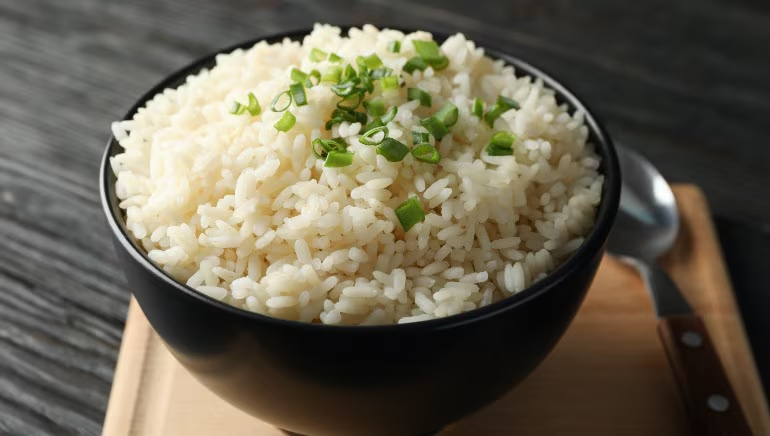
Avoid grains entirely during the initial phase, even those that are naturally gluten-free like rice or quinoa. These are often processed in facilities that handle wheat. By sticking to “earth-to-table” foods, you maintain the highest standard of gluten-free contamination elimination. This simplicity allows your intestinal villi to regrow without constant irritation.
4. Master the Art of Dining Out Safely
Eating at restaurants is the biggest challenge for gluten-free contamination elimination. Shared fryers, cutting boards, and steam from pasta water can all cause a reaction. If you must eat out, choose establishments that specialize in allergy awareness.
Always speak directly to the chef or manager. Ask specifically about shared preparation areas. If the staff seems unsure, it is safer to stick to a plain salad with lemon juice and oil or a baked potato. Maintaining your gluten-free contamination elimination goals requires being your own strongest advocate. Never feel guilty for asking detailed questions about how your food is prepared.
5. Scrutinize Beauty and Personal Care Products
Gluten isn’t just in your food; it’s often in your bathroom cabinet. Many shampoos, lotions, and lip balms contain hydrolyzed wheat protein or barley extract. While gluten cannot be absorbed through the skin, it is easy to accidentally ingest lip products or hand lotions.
A comprehensive gluten-free contamination elimination plan includes switching to certified gluten-free personal care items. Check your toothpastes and mouthwashes as well. Many brands use grain-derived thickeners that can sabotage your progress. Clean beauty is a fundamental pillar of total gluten-free contamination elimination.
6. Supplement Wisely and Safely
When you restrict your diet significantly, you must ensure you get enough nutrients. However, supplements are a common source of hidden gluten. Manufacturers often use wheat starch as a binder in pills.
Look for supplements that are third-party certified gluten-free. During your gluten-free contamination elimination phase, avoid complex herbal blends that may contain unidentified fillers. Stick to pure vitamins or minerals. If you are unsure, contact the manufacturer directly to confirm their sourcing and facility standards.
7. Monitor Your Internal Health Metrics
The goal of gluten-free contamination elimination is to lower systemic inflammation. Inflammation doesn’t just affect your gut; it impacts your heart and blood vessels too. Many people find that after clearing gluten from their lives, their blood pressure stabilizes and their energy levels soar.
Keep a detailed food and symptom journal. Note how you feel after every meal. This data helps you identify if a specific “safe” food is actually causing issues. Successful gluten-free contamination elimination relies on being an investigator of your own health. As your gut heals, you will notice improvements in your skin clarity, joint pain, and mental focus.
The Connection Between Gut Health and Your Heart
Research increasingly shows that chronic inflammation in the gut can lead to cardiovascular issues. By committing to a gluten-free contamination elimination diet, you are not just saving your stomach—you are protecting your heart. Reducing systemic inflammation helps keep your arteries clear and your heart muscle strong.
For more information on how your diet affects your cardiovascular health, visit cardiachq.com. They offer excellent resources on maintaining a heart-healthy lifestyle while managing dietary restrictions.

Join the Conversation
We want to hear from you! Transitioning to such a strict lifestyle can be a challenge, but you don’t have to do it alone.
- Have you ever tried a gluten-free contamination elimination diet to resolve your symptoms?
- What was the hardest “hidden” source of gluten for you to find in your home?
- Do you have a favorite “single-ingredient” recipe that keeps you satisfied?
Share your experiences in the comments below! Your insights might be exactly what someone else needs to hear to start their healing journey. If you found this guide helpful, please share it with a friend who is struggling with persistent digestive issues.
Would you like me to create a 7-day meal plan specifically designed for this elimination protocol?