A celiac genetic testing results interpretation guide provides the clarity you need to understand if you possess the DNA markers required to develop an autoimmune reaction to gluten. Unlike blood antibody tests that measure your current immune response, genetic testing looks at your biological blueprint. This test determines if you carry specific Human Leukocyte Antigen (HLA) markers, specifically HLA-DQ2 and HLA-DQ8. If you do not have these genes, you can almost certainly rule out celiac disease as a cause for your symptoms.
Understanding your results is vital, especially if you have already started a gluten-free diet. Since DNA does not change based on what you eat, this guide serves as a permanent reference for your hereditary risk. Let’s dive into the details of what your lab report actually means for your future health.
1. Understanding the HLA-DQ2 and HLA-DQ8 Markers
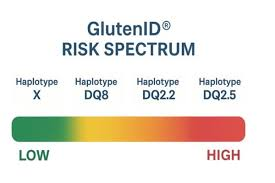
The core of any celiac genetic testing results interpretation guide focuses on the presence or absence of two specific gene complexes. Approximately 95% of people with celiac disease carry the HLA-DQ2 gene, while the remaining 5% usually carry HLA-DQ8. These genes act as “receptors” on the surface of immune cells. They are shaped in a way that allows them to bind to gluten fragments and present them to the immune system as a threat.
If your report shows you are “Positive” for either of these, it means you have the genetic predisposition. However, it does not mean you currently have the disease. In fact, about 30% to 40% of the general population carries these genes, but only a small fraction ever develops the autoimmune condition.
2. Interpreting a Negative Result: The Rule-Out Power
In this celiac genetic testing results interpretation guide, a negative result is often the most conclusive. If your lab report indicates that you do not carry HLA-DQ2 or HLA-DQ8, the chance of you having or developing celiac disease is less than 1%. This is incredibly helpful for patients who have “negative” blood work but still feel unwell.
A negative genetic test allows you and your doctor to stop chasing a celiac diagnosis. Instead, you can focus on other possibilities, such as Non-Celiac Gluten Sensitivity (NCGS), Small Intestinal Bacterial Overgrowth (SIBO), or Irritable Bowel Syndrome (IBS). Knowing you are genetically “safe” from celiac disease provides immense peace of mind.
3. The Meaning of a Positive Celiac Genetic Testing Results Interpretation Guide
If you are reading a celiac genetic testing results interpretation guide because your results came back positive, do not panic. A positive result simply means the “door is open” for celiac disease to develop. It is a test of potential, not a current diagnosis.
When you have the genes, your body has the “instructions” to react to gluten. Whether or not that reaction actually happens depends on environmental triggers. These triggers can include:
- Viral infections or severe illness
- High levels of prolonged stress
- Pregnancy or hormonal shifts
- Excessive gluten consumption over time
If you are gene-positive and experiencing symptoms, the next step is a celiac antibody blood panel (tTG-IgA) to see if the genes have been “activated.”
4. Why Sample Quality and Lab Methods Matter: celiac genetic testing results interpretation guide
Your celiac genetic testing results interpretation guide should also mention how the test was performed. Most labs use a simple cheek swab or a blood draw. Both are equally accurate because your DNA is the same in every cell of your body.
Some advanced reports might list “subtypes” of these genes. For example, you might see HLA-DQ2.5 or HLA-DQ2.2. Research suggests that certain subtypes, like DQ2.5, carry a higher risk than others. If your report shows you are “homozygous” (meaning you have two copies of the risk gene), your statistical risk of developing the disease is higher than someone with only one copy.
Genetic Testing for Family Members: celiac genetic testing results interpretation guide
One of the most practical uses for a celiac genetic testing results interpretation guide is screening relatives. Because celiac disease is hereditary, first-degree relatives (parents, siblings, and children) have a 1 in 10 risk of developing it.
Testing children for the HLA genes can save them from years of unnecessary blood draws. If a child tests negative for the genes, they never need to be screened for celiac disease again. If they test positive, parents know to watch for symptoms and perform regular antibody screenings every few years.
How Genetics Influence Your Gluten-Free Journey
Even if you don’t have celiac disease, this celiac genetic testing results interpretation guide can help you understand Non-Celiac Gluten Sensitivity. Many people with NCGS do not carry the HLA-DQ2/8 genes. If you feel better without gluten but your genetic test is negative, it confirms that your body is reacting to wheat in a different, non-autoimmune way. This helps you tailor your diet without the fear of the long-term internal damage associated with celiac disease.
Summary Table: Understanding Your Lab Report
| Result Type | Interpretation | Next Steps |
| Negative (No DQ2/DQ8) | Celiac disease is ruled out. | Investigate NCGS or other gut issues. |
| Positive (Single Gene) | You have the risk, but not necessarily the disease. | Perform tTG-IgA blood test if symptomatic. |
| Positive (Double Gene) | Higher statistical risk of development. | Regular monitoring and antibody checks. |
| Inconclusive | Rare variants may be present. | Consult a genetic counselor or specialist. |
The Limitations of Genetic Testing
It is important for this celiac genetic testing results interpretation guide to clarify what the test cannot do. It cannot tell you:
- When you will develop celiac disease.
- How severe your symptoms will be.
- If your current “brain fog” is caused by gluten.
Genetics are only one piece of the puzzle. A diagnosis requires a combination of genetic risk, positive antibody markers, and physical evidence of intestinal damage found during an endoscopy.
Conclusion
Using this celiac genetic testing results interpretation guide puts you in the driver’s seat of your healthcare. DNA testing is a powerful tool that helps you narrow down the causes of your symptoms and protects your family members through early screening. Remember, your genes are not your destiny, but they are an important map for your wellness journey.
For more expert advice on interpreting medical labs and optimizing your heart and gut health, visit cardiachq.com. We are here to help you translate complex medical data into actionable health steps.
Did your genetic test results surprise you? Are you the only one in your family who has been tested so far? We want to hear from you! Please share your thoughts or ask questions in the comments section below—let’s unlock the secrets of your DNA together.
Would you like me to help you draft a list of specific questions about your HLA markers to ask your doctor at your next appointment?