Learn the smart nutrition strategies for avoiding sugar crashes for teen skaters. Discover how to use balanced carbs, protein, and healthy fats to maintain stable energy, sharp focus, and long-lasting performance on the board.
Unlock the Flow: Avoiding Sugar Crashes for Teen Skaters
Avoiding sugar crashes for teen skaters is the most important skill you can learn off the board to boost your performance on it. Skateboarding demands explosive energy for tricks and focused endurance for long sessions. A sugar crash—that sudden, tired, irritable drop in energy—is the fastest way to ruin a session, leading to lost focus, sloppy landings, and early burnout. This guide provides a clear, actionable roadmap to stable energy, showing you how to choose smart fuels that keep your engine running smoothly. Mastering the art of avoiding sugar crashes for teen skaters is the secret to longer, stronger, and more enjoyable time at the park or on the street.
The Sugar Crash Science: What Happens in Your Body When Avoiding Sugar Crashes for Teen Skaters Fails
To effectively start avoiding sugar crashes for teen skaters, you must first understand the fast science behind them. The process is a rapid chain reaction involving blood sugar and the hormone insulin.
1. The Sugar Spike (The False Boost)
When you consume foods high in simple, refined sugars (like soda, candy, or processed snacks), the sugar is quickly absorbed into your bloodstream. This causes a sudden, massive surge in your blood glucose level. This spike creates the brief feeling of energy and alertness.
2. The Insulin Overreaction
Your body recognizes this dangerously high blood sugar level and releases a large amount of the hormone insulin. Insulin’s job is to rapidly pull that glucose out of the bloodstream and move it into your cells for storage. Because the spike was so fast, the insulin release is often excessive.
3. The Sugar Crash
The overcorrection by insulin pulls too much sugar out of your blood, causing your blood sugar level to drop sharply below normal. This low blood sugar state is the sugar crash. Symptoms include:
- Extreme fatigue and lethargy.
- Irritability or mood swings.
- Difficulty concentrating and mental fog.
- Headaches or dizziness.
This crash not only ruins your skate session but also makes you feel hungry again quickly, often leading to a craving for more sugar, which restarts the damaging cycle. The key to avoiding sugar crashes for teen skaters is preventing that initial drastic spike.
The Strategic Plate: Fueling for Stability and Avoiding Sugar Crashes for Teen Skaters
The best way to maintain stable energy is through macronutrient balancing—combining carbohydrates with protein and healthy fats. This mixture slows down digestion and the rate at which glucose enters the bloodstream, preventing the spike and subsequent crash.
1. Smart Carbohydrates: The Slow-Burn Fuel
Carbohydrates are your primary energy source, but you must choose the right type.
- Complex Carbs (The Goal): These are rich in fiber, which takes longer to digest. They provide a slow, sustained drip of glucose, ideal for long-lasting energy.
- Examples: Oatmeal, whole-wheat bread and pasta, brown rice, sweet potatoes, quinoa, beans.
- Strategy: Make these the base of your main meals and eat them 2-4 hours before skating.
- Simple Carbs (The Quick Boost): These are best used right before or during a session for a necessary top-up. Focus on natural sources.
- Examples: Fruit (bananas, apples, berries), honey, milk.
- Strategy: Use these sparingly and always combine them with protein or fat when eating them outside of the immediate pre-skate window.
2. Protein: The Stabilizer
Protein is crucial because it takes longer to digest than carbohydrates, significantly slowing the rate at which glucose is released into the bloodstream.
- Stabilizing Effect: When you combine protein with carbs, the resulting blood sugar curve is much flatter and longer, effectively avoiding sugar crashes for teen skaters.
- Examples: Eggs, Greek yogurt, lean chicken/turkey, nuts, seeds, cheese, hummus.
- Strategy: Include a source of lean protein with every meal and snack.
3. Healthy Fats: Slowing the Flow
Healthy fats also take a long time to digest and are excellent at slowing the absorption of carbohydrates.
- Examples: Avocado, nuts (almonds, walnuts), seeds (chia, flax), olive oil.
- Strategy: Use fats in your daily meals for sustained satiety and energy, but keep pre-skate fat intake low to avoid feeling too full or sluggish.
By consistently applying this combination—carbohydrates, protein, and fat—you build a stable energy foundation that makes avoiding sugar crashes for teen skaters a reliable strategy.
The Timing Blueprint: When to Eat for Avoiding Sugar Crashes for Teen Skaters
Timing your intake is just as important as the food itself. Your eating schedule must align with your skate session to keep energy high and prevent digestive issues.
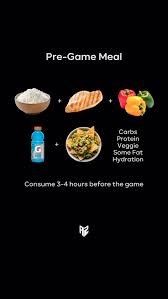
Pre-Skate Meal (2-3 Hours Before)
This meal sets the foundation for your session. It needs to be substantial but easy to digest.
- Focus: Complex Carbs + Lean Protein + Low Fat/Fiber.
- Example: Oatmeal topped with a handful of almonds and a small amount of fruit; or two scrambled eggs with whole-wheat toast.
- Why it works: The complex carbs maximize your glycogen stores, while the protein ensures the energy release is slow and steady, perfectly avoiding sugar crashes for teen skaters.
Pre-Skate Snack (30-60 Minutes Before)
This is a small top-up for immediate energy.
- Focus: Simple Carbs (Natural) + Minimal Protein.
- Example: A banana (quick energy and potassium) or a small rice cake with a thin spread of peanut butter.
- Why it works: Provides fast energy without overloading the digestive system.
During the Session (Every 45-60 Minutes)
For sessions lasting longer than an hour, you need small, strategic refills to prevent reserves from running out.
- Focus: Small amounts of Quick Carbs + Hydration.
- Example: A few pretzels (salt for electrolytes), a handful of raisins, or a sports drink (low sugar) diluted with water.
- Why it works: Keeps glycogen tanks from hitting empty, maintaining energy and mental focus.
Post-Skate Recovery (0-60 Minutes After)
Refueling quickly after skating is critical for recovery and preventing the delayed onset of fatigue and hunger.
- Focus: Carbs + Protein (4:1 ratio is ideal).
- Example: Chocolate milk (perfect recovery ratio) or Greek yogurt with honey.
- Why it works: Rapidly replenishes spent glycogen and repairs muscle tissue, ensuring you start your next day’s fueling at full strength, which supports avoiding sugar crashes for teen skaters long-term.
The Enemy List: Foods to Avoid When Avoiding Sugar Crashes for Teen Skaters
If your goal is avoiding sugar crashes for teen skaters, you must be vigilant about the foods that actively trigger them. These should be limited or completely avoided, especially right before a skate session.
1. Candy, Soda, and Energy Drinks
These are loaded with refined sugar and often high-fructose corn syrup, guaranteeing a massive insulin spike and subsequent crash. Energy drinks are doubly problematic due to high caffeine, which is a diuretic and can further lead to dehydration and jitters.
2. White Bread and Refined Pastries
While bread and pastries contain carbohydrates, they are stripped of fiber. This makes them digest too quickly, acting almost like pure sugar in the body. Swap white bread for whole-wheat or multigrain options.
3. Highly Processed Snacks
Chips, certain breakfast cereals, and packaged cookies often contain hidden sugars, refined carbohydrates, and unhealthy trans fats. These lead to poor energy release and offer zero nutritional value.
4. Excessive Sweet Fruit Juices
While 100% fruit juice is better than soda, it lacks the fiber of whole fruit. Consuming a large glass can lead to a significant sugar spike. Eat the fruit, don’t just drink the juice.
The best strategy for avoiding sugar crashes for teen skaters is to focus on whole foods that are as close to their natural state as possible.
Final Victory: Committing to the Plan for Avoiding Sugar Crashes for Teen Skaters
You now hold the complete roadmap to mastering avoiding sugar crashes for teen skaters. This is a commitment to stable energy, unwavering focus, and superior performance. By prioritizing complex carbohydrates, balancing them with protein, and respecting your meal timing, you eliminate the crash cycle and gain a competitive edge. This strategy ensures you’re always ready to execute your best run, feeling strong and alert from the first push to the last.
Here is your interactive action plan to lock in your stable energy strategy:
- The Swap: Identify the one food or drink you consume regularly that is likely causing a crash (e.g., soda, heavily sweetened cereal). What whole-food alternative will you swap it with this week?
- Meal Integration: Look at your main pre-skate meal (2-3 hours before). If it’s heavy on carbs, what specific protein source will you add to it to slow the energy release?
- Timing Test: For your next skate session, commit to eating your pre-skate snack at least 30 minutes before you start. Note the difference in your energy when you avoid eating right as you drop in.
- Hydration Check: Consistent hydration is key to avoiding sugar crashes for teen skaters. Commit to drinking at least three large bottles of water daily this week.
Remember, a stable metabolism and consistent energy are vital for a healthy heart. High sugar intake and subsequent crashes put unnecessary stress on your cardiovascular system. For more comprehensive information on heart health, sports, and overall well-being, explore the expert resources at CardiaCHQ.com. They provide crucial insights that complement your journey in mastering avoiding sugar crashes for teen skaters.
What is the single most important rule about sugar and crashes you will commit to following this week to boost your focus and energy? Share your commitment below!