Ensuring adequate calcium for celiac kids is critically important because Celiac Disease. Severely impairs nutrient absorption, often leading to bone mineral density issues. Before diagnosis, the damage to the small intestine prevents proper uptake of calcium and Vitamin D, which work together to build strong bones. You must actively implement a strategic plan of diet, supplementation, and lifestyle changes to reverse bone damage and support your child’s growth.
The Dual Challenge: Why Calcium for Celiac Kids is a Priority
Children with Celiac Disease face a double threat to their bone health:
- Impaired Calcium Absorption: The villi damage in the small intestine makes it difficult to absorb calcium, regardless of how much is consumed.
- Vitamin D Deficiency: Vitamin D absorption is often compromised, and Vitamin D is essential for the body to use the calcium it does absorb.
Addressing both deficiencies actively is the key to rebuilding bone density and preventing long-term orthopedic issues.
6 Key Sources of Calcium for Celiac Kids
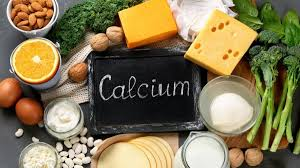
You must actively incorporate a variety of safe, naturally gluten-free sources to meet your child’s high daily calcium needs.
1. Dairy Products (If Tolerated)
Dairy remains the gold standard for easily absorbed calcium. If your child’s gut has healed sufficiently, dairy products like milk, yogurt, and cheese are excellent sources.
- Action Step: Actively monitor your child for temporary lactose intolerance, which sometimes accompanies Celiac Disease diagnosis. If they tolerate it, these are highly effective calcium sources.
2. Calcium-Fortified Plant Milks: calcium for celiac kids
If your child cannot tolerate dairy, you must switch to plant-based alternatives. Actively choose milks like almond, soy, or rice that are heavily fortified with calcium and Vitamin D to levels equivalent to cow’s milk.
- Action Step: Always shake the carton well before serving, as calcium sediment can settle at the bottom.
3. Fortified Orange Juice
Certain brands of orange juice are fortified with calcium, offering a dairy-free way to supplement intake. This can be a great option, especially since the Vitamin C in the juice also aids in mineral absorption.
- Action Step: Check the label to ensure the juice is 100% juice and the calcium content is high. Use this as a complement, not the sole source.
4. Leafy Green Vegetables (Broccoli and Kale)
Certain vegetables, particularly broccoli, kale, bok choy, and collard greens, contain significant amounts of calcium. While the absorption rate is slightly lower than dairy, they are naturally safe and nutrient-dense.
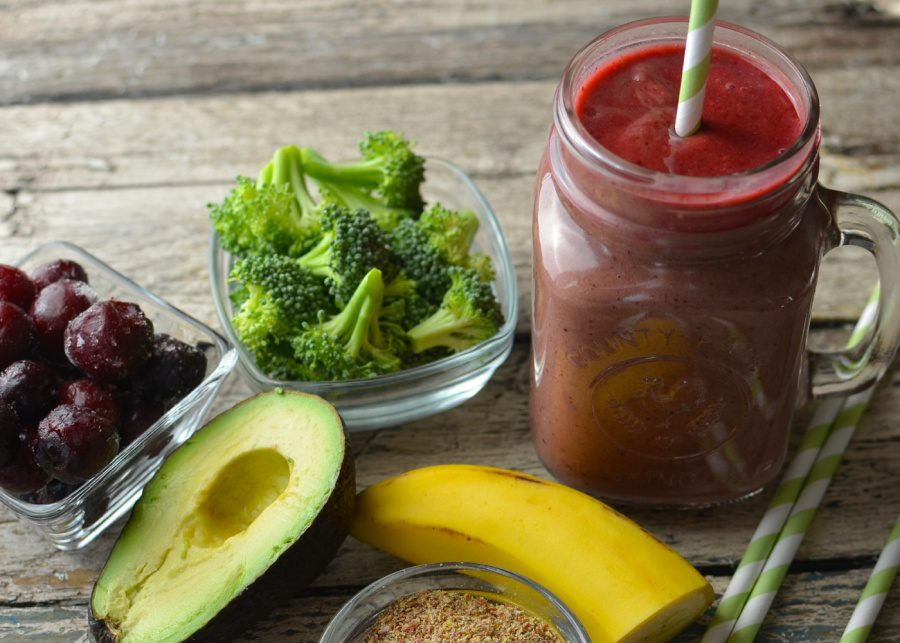
- Action Step: Actively incorporate these greens into smoothies or cook them quickly to retain their nutrient content.
5. Canned Fish with Edible Bones (Salmon and Sardines)
Canned salmon and sardines, when packed with their soft, edible bones, are one of the best naturally concentrated sources of calcium for celiac kids.
- Action Step: Serve salmon mashed with certified GF mayo for a sandwich filling, or mix flaked sardines into pasta sauce (ensuring the bones are fully mashed).
6. Gluten-Free Tofu (Calcium-Set)
Tofu that has been set or processed using calcium sulfate provides a significant dose of bioavailable calcium. It is a fantastic option for vegetarian or dairy-free families.
- Action Step: Always check the ingredient list to ensure the tofu was “calcium-set” and is certified gluten-free.
4 Essential Steps to Maximize Vitamin D and Absorption
Calcium cannot work alone; it needs Vitamin D to be effective. You must actively manage your child’s Vitamin D intake and optimize absorption.
7. Prioritize Sunlight Exposure
The body synthesizes Vitamin D most efficiently through direct sunlight exposure. Encourage your child to actively spend $15$ to $20$ minutes outside daily, without sunscreen, on most skin surfaces (weather permitting). This is a natural, active way to boost Vitamin D levels.
8. Use Vitamin D Supplements Strategically
Because it is difficult to get enough Vitamin D solely through food, especially for celiac kids, supplementation is often necessary. You must work with your pediatrician to determine the appropriate dosage based on blood tests.
- Action Step: Always choose liquid or soft-gel Vitamin D supplements certified as gluten-free, as hidden ingredients can be a risk.
9. Pair Calcium Intake with Food
Always serve calcium-rich foods (or supplements) with a full meal. Calcium is better absorbed when consumed with food, particularly with meals containing some healthy fats.
10. Avoid High-Tannin Beverages Near Calcium
Tannins found in black tea and some cocoa can slightly inhibit calcium absorption. You must actively avoid serving these beverages immediately alongside meals rich in calcium for celiac kids.
4 Active Management Strategies for Long-Term Bone Health
11. Advocate for Regular DEXA Scans
If your child was diagnosed after a long period of symptoms (years) or if initial blood tests show severe deficiency, you must actively discuss a DEXA (Dual-Energy X-ray Absorptiometry) scan with their doctor. This scan measures bone mineral density and provides a baseline for tracking bone recovery.
12. Promote Weight-Bearing Exercise
Bone strength is built not only by nutrients but also by stress on the bones. Encourage your child to actively engage in weight-bearing exercises like running, jumping, hiking, and playing basketball or soccer. This physical activity is a crucial, active component of rebuilding bone density.
13. Re-Test Levels Annually
You must actively schedule follow-up bloodwork with your doctor or dietitian to re-test Vitamin D and calcium levels annually. This ensures that the supplementation and dietary strategies you have implemented are working effectively as the small intestine continues to heal. Consistent monitoring is key to success.
14. Consult a Celiac-Specialized Dietitian
You must actively seek out a dietitian who specializes in Celiac Disease. They can help tailor a specific meal plan that balances calcium for celiac kids with Iron (since high calcium can inhibit iron absorption) and ensures all nutrient needs are met during the critical recovery and growth phases.
Ensuring optimal calcium for celiac kids is a vital, active process that requires a focused strategy combining diet, smart supplementation, and lifestyle. By addressing both the calcium and Vitamin D gaps, you actively empower your child’s body to heal, rebuild bone density, and thrive.
Just as you actively manage your child’s nutritional health to build strong bones, maintaining robust cardiovascular health is essential for overall well-being. We encourage you to visit cardiachq.com to learn more about proactive heart health and wellness for your entire family.
We want to hear from you: What is your child’s favorite, most creative way to consume calcium (like a specific fortified smoothie or recipe) that helps you meet their daily needs? Share your recipe ideas below!