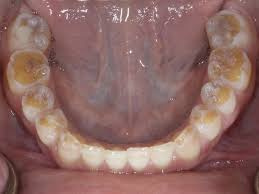
The Connection Between Celiac Disease and Dental Enamel Defects helps identify gluten issues early. Learn how malabsorption affects your child’s permanent teeth and smile.
The Connection Between Celiac Disease and Dental Enamel Defects is a permanent clinical marker that often allows dentists to identify celiac disease in children before digestive symptoms even appear. When a child has undiagnosed celiac disease, their immune system reacts to gluten by damaging the small intestine. This damage prevents the absorption of vital nutrients like calcium and Vitamin D, which are essential for building strong tooth enamel. Because permanent teeth form between birth and age seven, any nutritional deficiency during this window leaves a lasting mark on the teeth. Understanding this link is vital for early diagnosis and long-term health management.
1. Understanding The Connection Between Celiac Disease and Dental Enamel Defects
Dental enamel is the hardest substance in the human body, serving as the protective outer layer of your teeth. The Connection Between Celiac Disease and Dental Enamel Defects arises because celiac disease is a systemic autoimmune condition, not just a digestive one. When the body cannot absorb nutrients, it prioritizes vital organs over the development of tooth enamel. This results in enamel that is thin, discolored, or structurally weak.
Unlike cavities caused by poor hygiene or sugar, these defects are developmental. This means they occur while the tooth is still forming under the gumline. Once the tooth erupts, the damage is already visible. For many children, these dental issues are the only visible sign that their body is struggling to process gluten.
2. How Malabsorption Drives The Connection Between Celiac Disease and Dental Enamel Defects
The primary mechanism behind The Connection Between Celiac Disease and Dental Enamel Defects is malabsorption. When a child eats gluten, the villi in the small intestine flatten. These villi are responsible for soaking up vitamins and minerals. Without healthy villi, the body enters a state of malnutrition, even if the child is eating a balanced diet.
Calcium and phosphorus are the building blocks of enamel. Vitamin D acts as the “key” that lets the body use that calcium. If celiac disease goes undiagnosed during the first seven years of life, the tooth-building cells (ameloblasts) do not receive the fuel they need. This lack of fuel causes the cells to produce faulty enamel. This is why The Connection Between Celiac Disease and Dental Enamel Defects is considered a permanent record of a child’s nutritional status during their early years.
3. The Timing of The Connection Between Celiac Disease and Dental Enamel Defects
The specific timing of gluten exposure determines which teeth show damage. The Connection Between Celiac Disease and Dental Enamel Defects typically affects the permanent incisors and first molars. These teeth develop early in childhood. If a child begins eating gluten-containing baby cereal at six months and has the genetic marker for celiac disease, the damage begins immediately.
Primary (baby) teeth are rarely affected because they mostly develop in the womb, where the mother’s body provides a steady stream of nutrients. However, the permanent teeth are vulnerable. If you notice horizontal ridges or white spots on your child’s new adult teeth, it may be time to investigate The Connection Between Celiac Disease and Dental Enamel Defects with a pediatrician.
4. Identifying Patterns in The Connection Between Celiac Disease and Dental Enamel Defects
A unique feature of The Connection Between Celiac Disease and Dental Enamel Defects is symmetry. In most cases of enamel damage caused by injury or local infection, only one or two teeth are affected. However, because celiac disease is a systemic issue, the defects appear symmetrically across all four quadrants of the mouth.
If the upper right molar has pitting, the upper left, lower right, and lower left molars likely show the same pattern. This bilateral symmetry is a “red flag” for dentists. It confirms that the cause was not an external hit to the mouth, but an internal disruption in the body’s ability to grow. Recognizing this pattern is the first step in confirming The Connection Between Celiac Disease and Dental Enamel Defects.
5. Grades of Damage in The Connection Between Celiac Disease and Dental Enamel Defects
Dental professionals use a specific grading scale to categorize the severity of The Connection Between Celiac Disease and Dental Enamel Defects. These grades help doctors understand how long the child was exposed to gluten without diagnosis.
- Grade 1: Mild discoloration, such as cream, yellow, or white spots on the teeth.
- Grade 2: Minor structural changes, including rough surfaces or slight horizontal lines.
- Grade 3: Deep grooves, pits, or significant horizontal bands across the teeth.
- Grade 4: Severe loss of enamel, changes in tooth shape, or yellowish-brown opacity across the entire tooth.
Each grade represents a different level of nutritional interference. By documenting these grades, dentists provide essential data to gastroenterologists. This collaboration strengthens the clinical evidence for The Connection Between Celiac Disease and Dental Enamel Defects.
6. Dentists and The Connection Between Celiac Disease and Dental Enamel Defects
Dentists often act as the first responders in the fight against celiac disease. Because children usually visit the dentist more frequently than the pediatrician for routine checkups, the dental chair is a prime spot for early detection. A dentist who understands The Connection Between Celiac Disease and Dental Enamel Defects can spot the signs years before a child develops the “classic” celiac symptoms like stunted growth or severe bloating.
When a dentist notices symmetrical enamel defects, they should ask the parent about other symptoms. These might include frequent stomach aches, fatigue, or a family history of autoimmune issues. If the dentist suspects The Connection Between Celiac Disease and Dental Enamel Defects, they will refer the family for a blood test to check for celiac antibodies. This referral can save a child from years of undiagnosed suffering.
Oral Health Beyond The Connection Between Celiac Disease and Dental Enamel Defects
While enamel defects are the most common sign, celiac disease impacts the mouth in other ways. Recurrent aphthous ulcers, commonly known as canker sores, are highly prevalent in children with celiac disease. These painful sores often appear on the inside of the cheeks or lips. They are another result of the immune system’s overactive state and nutritional deficiencies.
Additionally, children may experience dry mouth (xerostomia) or a burning tongue. While these are less common than enamel issues, they are part of the broader picture of The Connection Between Celiac Disease and Dental Enamel Defects. Managing these symptoms requires a strict gluten-free diet and excellent oral hygiene.
Management and Prevention Strategies
Once a child receives a celiac diagnosis, the focus shifts to protecting the remaining tooth structure. While you cannot “grow back” lost enamel, you can strengthen what is there. Dentists may recommend high-fluoride toothpaste or professional fluoride varnishes to remineralize weak spots.
Dental sealants are another active way to manage The Connection Between Celiac Disease and Dental Enamel Defects. Sealants provide a plastic coating over deep pits and grooves, preventing bacteria from causing cavities in the vulnerable areas. Regular cleanings are essential because teeth with enamel defects are more susceptible to plaque buildup and decay.
Conclusion: Protecting Your Child’s Smile
The Connection Between Celiac Disease and Dental Enamel Defects is more than just a cosmetic concern. It is a vital diagnostic clue that points toward a serious underlying health condition. By staying active in your child’s dental care and watching for symmetrical spots or pits, you can catch celiac disease early and prevent further damage to their body.
For more information on managing your family’s health and navigating the complexities of autoimmune conditions, visit cardiachq.com.
We want to hear from you! Did your dentist ever mention white spots or horizontal lines on your child’s teeth before you received a celiac diagnosis? Share your experience below to help other parents recognize The Connection Between Celiac Disease and Dental Enamel Defects! Would you like me to create a “Dental Checklist for Celiac Parents” to take to your next appointment?