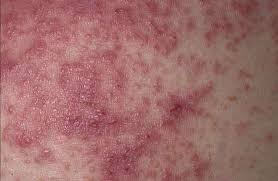
Finding accurate celiac disease rash pictures and treatment options is essential for anyone suffering from chronic, itchy skin blisters triggered by gluten. This specific skin manifestation is known medically as Dermatitis Herpetiformis (DH). While many people think of celiac disease as a strictly digestive issue, the skin often provides the most visible evidence of gluten intolerance. If you have a red, stinging rash on your elbows, knees, or scalp, you may be dealing with more than just simple eczema or allergies.
Understanding the link between your gut and your skin can save you years of discomfort. Many adults suffer for a long time before realizing their skin issues are tied to their diet. This guide will break down what the rash looks like, how doctors diagnose it, and the best ways to find relief.
What Do Celiac Disease Rash Pictures and Treatment Seekers Need to Know?
When people search for celiac disease rash pictures and treatment, they are usually looking for a way to identify Dermatitis Herpetiformis. This condition appears as small, clustered blisters that feel intensely itchy or burning. Unlike a standard heat rash, a DH rash is symmetrical, meaning it usually appears on both elbows or both knees simultaneously.
The rash occurs because the body produces specific antibodies (IgA) in response to gluten. these antibodies travel through the bloodstream and collect in the skin. This triggers a localized immune response that results in painful, fluid-filled bumps. If you see these patterns on your body, it is a strong sign that your immune system is overreacting to gluten proteins.
1. Identifying the Visual Characteristics of the Rash
Looking at celiac disease rash pictures and treatment guides shows that the rash has a very distinct “herpetic” look, though it is not related to the herpes virus. The bumps are often red and can look like tiny water blisters. Because the itch is so intense, many patients scratch the blisters until they scab over, leaving small purple or red marks on the skin.
Common locations for the rash include:
- The backs of the elbows
- The front of the knees
- The buttocks and lower back
- The scalp and hairline
- The back of the neck
2. Why Diagnosis Can Be Difficult
Even with celiac disease rash pictures and treatment resources, getting a formal diagnosis requires a specialist. Many general practitioners mistake DH for atopic dermatitis or shingles. The gold standard for diagnosis is a “punch biopsy” of the skin next to a lesion, rather than the lesion itself. This biopsy looks for IgA deposits in the skin tissue.
Interestingly, many people with this rash do not have the classic stomach pains associated with celiac disease. However, a biopsy of their small intestine almost always shows the same damage seen in traditional celiac patients. The skin is simply the primary way their body expresses the autoimmune reaction.
3. Immediate Relief: Celiac Disease Rash Pictures and Treatment Medications
If you are researching celiac disease rash pictures and treatment, you will likely encounter the drug Dapsone. This is a powerful antibiotic and anti-inflammatory medication. Dapsone is incredibly effective at stopping the itch and clearing the skin, often within 48 to 72 hours.
However, Dapsone does not cure the underlying disease. It only masks the skin symptoms. It also comes with potential side effects, such as anemia, so doctors must monitor your blood work closely while you are on it. It serves as a “bridge” to help you feel better while you transition to a long-term dietary solution.
4. The Long-Term Solution: A Strict Gluten-Free Diet
While medications help, the only permanent celiac disease rash pictures and treatment is a lifelong, 100% gluten-free diet. This means removing wheat, barley, rye, and malt from your life entirely. Even trace amounts of cross-contamination in a shared kitchen can cause the rash to flare up again.
When you stop eating gluten, the IgA deposits in your skin begin to dissipate. However, this process is slow. While digestive symptoms might improve in weeks, it can take months or even years of strict dieting for the skin to clear completely without the help of medication. Patience is key during this healing phase.
5. Avoiding Common Skincare Pitfalls
Many people looking for celiac disease rash pictures and treatment try to use heavy steroid creams. While these might provide minor temporary relief, they rarely solve the problem of DH. In fact, some topical products contain hydrolyzed wheat protein or gluten-derived ingredients that can irritate sensitive skin further.
Switching to gluten-free personal care products is a smart move for those with DH. While gluten cannot be absorbed through the skin in large enough quantities to trigger the internal immune response, it can be accidentally ingested if it is in your lotion, lip balm, or hairspray.
6. Managing the “Stinging” Sensation
The hallmark of the celiac rash is the “stinging” or “burning” sensation that precedes the blisters. In the world of celiac disease rash pictures and treatment, patients often describe it as feeling like they were bitten by insects. To manage this at home, cool compresses can help soothe the heat. Avoid hot showers, as heat often dilates blood vessels and intensifies the itching sensation.
7. Nutritional Support for Skin Healing
Healing your skin requires more than just removing gluten. Since the gut is likely damaged, you may have deficiencies in zinc, Vitamin A, and Vitamin D—all of which are vital for skin health. Incorporating nutrient-dense foods like leafy greens, wild-caught fish, and seeds can speed up the regeneration of healthy skin cells.
Understanding the Risks of Ignoring the Rash
Ignoring the symptoms found in celiac disease rash pictures and treatment logs can lead to serious complications. Because DH is an autoimmune condition, leaving it untreated means your body remains in a state of chronic inflammation. This increases the risk of developing other autoimmune disorders, such as thyroid disease or Type 1 diabetes, and raises the long-term risk of intestinal cancers.
Conclusion
Mastering celiac disease rash pictures and treatment starts with awareness and ends with a commitment to your health. Your skin is a powerful communicator, and an itchy rash is often a cry for help from your digestive system. By identifying the signs early and moving toward a gluten-free lifestyle, you can achieve clear skin and a healthier body.
For more insights into managing your health and understanding the connection between your lifestyle and your well-being, visit cardiachq.com. We are here to help you stay informed and empowered.
Have you ever had a mystery rash that turned out to be related to your diet? Or are you currently trying to figure out if your skin issues are tied to gluten? Share your experiences in the comments below—your story might help someone else find their answer!