Settle the debate: Energy drinks vs water for teen skaters. Learn why water is the superior fuel for sustained performance, focus, and heart health, and understand the risks of relying on high-caffeine, high-sugar beverages.

The Essential Debate: Energy Drinks vs Water for Teen Skaters
The question of Energy drinks vs water for teen skaters is a critical one for performance, health, and safety. When you’re pushing your limits to land a new trick, the quick jolt of an energy drink can be tempting. However, that intense boost is often a false promise, followed by a dramatic crash that leaves you drained and unfocused. Water, in contrast, is the natural, foundational fuel that supports every bodily function, delivering sustained energy and preventing the dangers of dehydration. This guide cuts through the hype, providing clear evidence that water is the superior choice for any serious skater focused on longevity and peak performance, settling the crucial debate: Energy drinks vs water for teen skaters.
The Water Advantage: Why H2O Wins the Battle of Energy Drinks vs Water for Teen Skaters
Water is the lifeblood of performance. It is essential for every single metabolic process that powers your skateboarding, making it the clear winner in the Energy drinks vs water for teen skaters contest. Understanding water’s role in your body highlights why it should be your primary beverage.
Fueling Muscle Function
Skateboarding requires rapid, explosive muscle contractions for pop and push. Water is vital for the delivery of oxygen and nutrients to your muscles and for the removal of waste products like lactic acid. When you are properly hydrated, your muscles function more efficiently, delaying fatigue and preventing cramps. Water keeps your muscle fibers supple and ready for action.
Regulating Body Temperature
In any physical activity, your body generates heat. Water, primarily through sweat evaporation, is your body’s cooling system. Dehydration impairs this cooling process, leading to overheating, which rapidly accelerates fatigue and increases the risk of heat exhaustion—a major danger when skating outdoors.
Sharpening Mental Focus
Your brain is roughly 75% water. Even minor dehydration can impact cognitive function, leading to reduced concentration, slower reaction times, and poor decision-making. Landing complex tricks requires razor-sharp focus; water supports this mental clarity directly, giving you the clean focus needed to commit to every move.
Joint and Tissue Lubrication
Water is a key component of the synovial fluid that lubricates your joints. Staying hydrated helps cushion the joints against the constant impact and shock absorbed while landing tricks, indirectly supporting long-term joint health. This lubrication is far more beneficial than any temporary energy surge.
The Clear Verdict on Energy Drinks vs Water for Teen Skaters
Water provides sustained hydration, facilitates muscle energy, sharpens focus, and supports joint health—all without the side effects associated with energy drinks. For a teenage athlete, water is simply the most efficient and necessary fuel.
The Energy Drink Trap: Understanding the Risks of Energy Drinks vs Water for Teen Skaters
Energy drinks promise peak performance, but they deliver a cocktail of ingredients—primarily massive doses of caffeine and sugar—that actively undermine a skater’s long-term health and focus, making them a poor choice when considering Energy drinks vs water for teen skaters.
The Caffeine Overload Problem
Most energy drinks contain caffeine levels far exceeding sodas or even coffee. While a small amount of caffeine might offer a temporary lift, excessive intake poses significant risks for teenagers:
- Jitters and Anxiety: High caffeine can lead to nervousness, jitters, and increased anxiety, which directly hinder the precision and balance required for skateboarding.
- Sleep Disruption: Consuming high amounts of caffeine, even hours before bed, interferes with sleep cycles. Lack of quality sleep is one of the fastest ways to cause chronic fatigue and impair recovery.
- Dehydration: Caffeine is a diuretic, meaning it increases urine production. This actively works against your body’s hydration efforts, exacerbating fluid loss during skating and increasing the risk of heat illness. This dehydrating effect is a major negative factor in the debate of Energy drinks vs water for teen skaters.
The Sugar Crash Cycle
Energy drinks are typically loaded with refined sugar or high-ffructose corn syrup.
- The Spike and Crash: The sugar causes a rapid, intense spike in blood glucose, giving the illusion of energy. However, this is quickly followed by a sharp drop, known as the “sugar crash,” leaving the skater feeling far more fatigued and sluggish than before the drink. This cyclical crash disrupts focus and endurance.
- Empty Calories: The sugar contributes significant “empty calories” without providing the essential vitamins, minerals, or complex carbohydrates needed for sustained energy and muscle repair.
Hidden Health Risks
Regular consumption of energy drinks, even in moderation, is linked to serious health concerns for young people:
- Cardiovascular Strain: The combination of high caffeine and sugar can strain the cardiovascular system, leading to rapid heart rate, palpitations, and increased blood pressure. This is particularly concerning for athletes whose hearts are already working hard.
- Digestive Issues: The acidity and chemical additives can upset the stomach, causing nausea or cramps, which immediately ruins a skate session.
In the argument of Energy drinks vs water for teen skaters, energy drinks introduce chemical stress and instability to the body, making them counterproductive to a skater’s goals.
Strategic Fueling: Integrating Water and Smart Alternatives in the Energy Drinks vs Water for Teen Skaters Context
The smart skater uses water as the primary fuel source and relies on whole foods for sustained energy. Eliminating energy drinks doesn’t mean you have to skate with low energy; it means finding cleaner, safer, and more effective alternatives in the Energy drinks vs water for teen skaters framework.
Water: Your Non-Negotiable Baseline
- Consistent Sipping: Carry a water bottle and sip constantly throughout the day to maintain a constant state of hydration.
- Pre-Skate Hydration: Drink 16–20 ounces of water before you skate and continue drinking every 15–20 minutes during your session.
The Electrolyte Solution
For intense sessions lasting over an hour or on very hot days, you need more than just water; you need electrolytes.
- Sports Drinks (Balanced): Choose sports drinks that are low in sugar and high in sodium and potassium, or dilute standard sports drinks with water to cut the sugar content.
- Natural Alternatives: Coconut water is a great natural source of potassium. You can also mix a pinch of salt (sodium) into a water bottle with a small amount of fruit juice for a homemade, balanced electrolyte solution. This provides the necessary minerals without the excessive stimulants of commercial energy drinks.
Food-Based Energy: The True Power Source
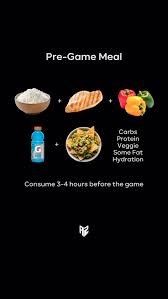
The most sustained energy boost comes from a smart pre-skate snack featuring carbohydrates and protein.
- The Banana Boost: A banana provides quick, natural simple carbs and potassium.
- Oats and Berries: A small bowl of oatmeal with berries offers complex carbs for endurance and simple carbs for an immediate lift.
- Whole-Grain Toast with Peanut Butter: Provides complex carbs, protein, and healthy fats for sustained power. This whole-food approach is the safest, most effective alternative to relying on high-risk Energy drinks vs water for teen skaters.
Caffeine Use (if Necessary)
If a skater occasionally needs a small caffeine lift, a minimal dose from sources like black coffee or plain tea is safer than a massive, unstandardized energy drink. However, caffeine should never replace water or proper nutrition.
This strategic approach—prioritizing water and whole-food fuel—ensures the skater’s performance is built on a stable, healthy foundation, securing the ultimate victory for water in the debate of Energy drinks vs water for teen skaters.
Your Skate-Ready Action Plan: Committing to Water Over Energy Drinks
You now understand the critical difference between the immediate, risky jolt of energy drinks and the sustained, foundational power of water and whole foods. Choosing water and smart nutrition is not just about better performance; it’s about making a clear commitment to your long-term health and safety on and off the board. This crucial choice determines the efficacy of your overall health strategy and ultimately resolves the question of Energy drinks vs water for teen skaters.
Here’s your interactive action plan to transition from the energy drink trap to true performance fueling:
- The Swap: Identify the one time this week you would typically reach for an energy drink and commit to replacing it with a bottle of cold water and a banana. What day and time will you make this swap?
- Hydration Habit: Set a goal to drink at least three large bottles of water every day this week. Track your intake. How does consistent, proper hydration change your energy levels?
- Recovery Drink Check: Look at the labels of any sports or energy drinks you currently use. Calculate the amount of sugar and caffeine per serving. How does this compare to a glass of water and a piece of fruit? Make a plan to switch to a lower-sugar alternative or stick to pure water for your next session.
- Tell a Friend: Share what you’ve learned about the risks of energy drinks with a fellow skater. Educating your friends reinforces your own commitment to safety and smart fueling.
Remember, the greatest risk of high-caffeine and high-sugar intake in young athletes is the strain it places on the heart. Your heart is the most vital pump supporting your passion. For more comprehensive information on maintaining cardiac health and making smart choices as an active teenager, explore the expert resources at CardiaCHQ.com. They provide crucial insights that underscore the importance of choosing health over quick fixes in the Energy drinks vs water for teen skaters debate.
What is the single biggest change you will make today to shift your reliance from energy drinks to water and whole foods? Share your commitment below!