A gluten-free diet for a child is a specialized eating plan that strictly excludes gluten, a protein found in wheat, barley, and rye. This diet is medically necessary for children diagnosed with Celiac Disease, a serious autoimmune disorder where gluten ingestion damages the small intestine, or for those with a confirmed non-celiac gluten sensitivity (NCGS). Starting this dietary change can feel overwhelming, but with the right steps and knowledge, you can ensure your child remains healthy, happy, and nourished. This guide walks you through the essential first steps to mastering the gluten-free diet for a child.
🧐 What is Gluten and Why Must We Avoid It?
To successfully manage a gluten-free diet for a child, you must first understand what gluten is. Gluten acts as the “glue” that holds many grain-based foods together, providing elasticity and texture. In the context of Celiac Disease, when your child consumes gluten, their immune system mistakenly attacks the lining of their small intestine. This damage prevents them from absorbing vital nutrients, leading to issues like poor growth, fatigue, and digestive problems. Therefore, the absolute avoidance of gluten is the only treatment.
Common Gluten-Containing Grains:
- Wheat: This includes all forms, such as semolina, durum, spelt, farro, and einkorn.
- Barley: Often found in malt flavoring, beer, and some soups.
- Rye: Used in rye bread and some cereals.
- Triticale: A hybrid of wheat and rye.
👩⚕️ Your First Step: Confirm the Diagnosis
Never start a gluten-free diet for a child before a proper medical diagnosis, especially for Celiac Disease. Once you remove gluten from the diet, the tests (blood test and subsequent endoscopy) used to confirm Celiac Disease may become unreliable.
- Consult Your Pediatrician: Discuss your child’s symptoms (e.g., chronic diarrhea, constipation, abdominal pain, poor weight gain, fatigue).
- Blood Tests: The doctor will likely order a Celiac panel to check for specific antibodies.
- Endoscopy: If blood tests are positive, a pediatric gastroenterologist typically performs an endoscopy with biopsies of the small intestine to confirm the diagnosis of Celiac Disease.
Remember: Starting a gluten-free diet for a child prematurely complicates accurate diagnosis. Follow the doctor’s instructions precisely regarding testing.
🛒 Phase 1: Cleaning Out and Stocking Up for the Gluten-Free Diet for a Child
Once the diagnosis is confirmed, you are ready to transition your home and kitchen. This is the foundation of maintaining a safe gluten-free diet for a child.
The Great Kitchen Purge (Initial Cleanup)
Your first major task is to eliminate all obvious gluten-containing products from your pantry, fridge, and freezer.
- Remove or Designate: Get rid of all standard breads, pastas, cereals, crackers, cookies, and processed foods that contain wheat, barley, or rye. If other family members must still consume these items, designate a separate, high shelf for their gluten foods to prevent cross-contamination.
- Replace Staple Items: Begin replacing staples with certified gluten-free alternatives:
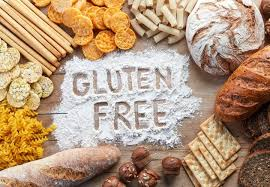
- Breads/Cereals: Look for packages clearly labeled “Gluten-Free”.
- Flours: Stock up on naturally gluten-free flours like rice flour, almond flour, tapioca starch, and corn flour.
- Pasta: There are excellent options made from corn, rice, or legumes.
Cross-Contamination: The Silent Threat
This is the most critical area when starting a gluten-free diet for a child. Even tiny amounts of gluten can trigger a reaction in a child with Celiac Disease.
- Toaster: A shared toaster is a major source of cross-contamination. You need a dedicated gluten-free toaster or silicone toaster bags.
- Cutting Boards: Porous wooden cutting boards can harbor gluten particles. Use separate boards, preferably plastic or non-porous.
- Utensils/Containers: Use separate colanders for draining gluten-free pasta. Be mindful of shared containers of butter, jams, or spreads where gluten crumbs can be accidentally introduced by a knife.
- Frying/Cooking Surfaces: If you fry gluten-containing items (like breaded chicken) and gluten-free items in the same oil or on the same grill/pan, it can lead to contamination. Designate separate cooking surfaces or clean them meticulously.
🔎 Phase 2: Mastering Label Reading for the Gluten-Free Diet for a Child
The second phase is all about becoming a label detective. Manufacturers are required to list common allergens, but knowing the “hidden” names for gluten is vital for the gluten-free diet for a child.
The “Must-Know” List of Hidden Gluten:
Always check ingredient lists for these terms:
- Malt: Found in barley malt, malt vinegar, and malt flavoring.
- Brewer’s Yeast: A byproduct of brewing beer (which contains barley).
- Modified Food Starch: While often safe, if the source is not specified, it is safer to avoid or confirm it is from corn or potato.
- Hydrolyzed Vegetable Protein (HVP) or Hydrolyzed Plant Protein (HPP): If the source is wheat, it contains gluten.
- Caramel Color: In the US, it is generally safe; however, in other regions, it may be derived from barley. Always check with the manufacturer if unsure.
- Dextrin/Maltodextrin: Typically derived from corn, but occasionally from wheat.
The Power of Certification
The easiest way to ensure a product is safe for a gluten-free diet for a child is to look for a Certified Gluten-Free label.
- “Gluten-Free” Label: In the U.S., the FDA requires any product labeled “gluten-free” to contain less than 20 parts per million (ppm) of gluten, which is the standard safe threshold for those with Celiac Disease.
- Certification Marks: Look for third-party certifications (e.g., the Gluten-Free Certification Organization – GFCO) which verify the product meets strict standards.
💚 Phase 3: Embracing Naturally Gluten-Free Foods
The gluten-free diet for a child is not just about expensive specialty products; it is centered around a bounty of naturally gluten-free, whole foods. These should form the bulk of your child’s diet for optimal nutrition.
The Safe Zone:
- Fruits and Vegetables: All fresh and frozen fruits and vegetables are naturally gluten-free. Encourage a variety of colors.
- Proteins: All fresh, unprocessed meats, poultry, fish, and eggs are safe. Avoid pre-marinated, breaded, or heavily processed meats, which often contain gluten binders or flavorings.
- Dairy: Plain milk, butter, cheese, and plain yogurt are safe. Beware of flavored yogurts or ice creams that may use gluten-containing thickeners or mix-ins (like cookies or cake pieces).
- Gluten-Free Grains and Starches:
- Rice: Brown, white, wild, and basmati.
- Corn: Cornmeal, corn flour, and grits.
- Potatoes: All varieties.
- Quinoa: A complete protein and excellent safe grain.
- Oats: Use only certified gluten-free oats due to high cross-contamination risk during farming and processing.
- Legumes: Beans, lentils, and peas.
Focusing on these whole foods simplifies the management of the gluten-free diet for a child and ensures they receive balanced nutrition.
🍽️ Phase 4: Navigating Social Situations and School
One of the biggest challenges for a child on a gluten-free diet for a child is eating outside the home. Preparation and communication are your strongest tools.
School and Childcare Strategies
- Communicate Clearly: Schedule a meeting with the teacher, school nurse, and cafeteria staff. Explain the seriousness of the diagnosis and the need for strict gluten avoidance. Provide a written plan.
- Safe Lunch/Snacks: The safest option is often to pack a lunch and snacks from home every day. This eliminates the risk and gives you control.
- Emergency Kit: Keep a sealed container of safe, non-perishable gluten-free snacks in the classroom for times when an unplanned treat is handed out.
- Arts and Crafts Alert: Some play-doh or flour-based crafts contain wheat. Confirm that your child is using safe, alternative materials or washes their hands thoroughly after craft time.
Eating Out (The Restaurant Game)
Eating out requires vigilance and confidence when maintaining a gluten-free diet for a child.
- Research Ahead: Look up restaurant menus online. Many now offer specific gluten-free menus.
- Call Ahead: Speak to the manager or head chef during a non-peak hour. Ask specific questions about their cross-contamination procedures (e.g., “Do you use a separate fryer for your fries?” or “Does the chef change gloves when preparing a gluten-free order?”).
- Order Simply: Stick to naturally gluten-free dishes like unseasoned grilled proteins (steak, chicken, fish) with baked potatoes or steamed vegetables. Avoid sauces, gravies, and marinades, which are common hidden sources of gluten.
- Confirm at the Table: Always remind your server that the meal must be gluten-free due to a medical condition (Celiac Disease).
🧠 Phase 5: Building a Positive Mindset for the Gluten-Free Diet for a Child
This dietary change is a family adjustment. It is crucial to approach it with a positive attitude to help your child feel supported, not restricted.
Empower Your Child
- Involve Them: Take your child grocery shopping and let them pick out safe, fun gluten-free snacks and ingredients. Let them help prepare meals.
- Education, Not Punishment: Teach them, in an age-appropriate way, what gluten does to their body. Use terms like “safe food” and “not-safe food” rather than “good food” and “bad food.”
- Focus on the “Can Have”: Instead of dwelling on what they can’t eat, celebrate the vast array of foods they can enjoy—pizza (gluten-free crust), pasta, cupcakes, tacos, and all the fruits, vegetables, and meats.
Focus on Nutrition and Supplements
Because Celiac Disease often leads to initial malabsorption, your child may need to supplement certain vitamins and minerals.
- Iron and Folate: Often depleted due to small intestine damage.
- Calcium and Vitamin D: Important for bone health.
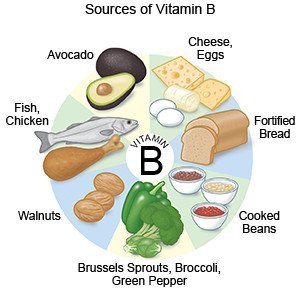
- B Vitamins: Essential for energy and neurological function.
Always discuss supplements with your child’s doctor or a registered dietitian who specializes in the gluten-free diet for a child to determine the appropriate dosage and to ensure the supplements themselves are gluten-free.
🧑🤝🧑 Supporting Your Child with Their Gluten-Free Diet for a Child
Living with a chronic condition, even one managed by diet, can affect a child emotionally.
- Address Peer Pressure: Acknowledge that missing out on birthday cake or pizza parties is tough. Strategize with your child on how to handle these situations, for example, “When there’s pizza at the party, I’ll ask for my special gluten-free pizza you packed for me.”
- Be Consistent: Consistency from all caregivers (parents, grandparents, babysitters) is vital. A single accidental ingestion can set back healing and cause discomfort.
- Connect with Others: Look for local Celiac or gluten-free support groups for families. Connecting with other parents successfully managing a gluten-free diet for a child provides invaluable tips and emotional relief. Seeing other children thrive on the diet gives your child confidence.
Conclusion: Making the Gluten-Free Diet for a Child a Healthy New Normal
Starting a gluten-free diet for a child is a major lifestyle change, but it is the key to managing Celiac Disease and ensuring your child’s long-term health and well-being. By prioritizing cross-contamination prevention, becoming a diligent label reader, and focusing on naturally gluten-free whole foods, you empower your child to lead a full, healthy life.
We encourage you to use reliable, research-based resources like cardiachq.com for ongoing health information and guidance as you navigate this journey.
Do you have specific questions about finding gluten-free alternatives for your child’s favorite foods, or would you like a detailed seven-day meal plan to kickstart your gluten-free diet for a child? Let’s make this transition smooth and successful together!
Kindly share your ideas and experiences on cardiachq.com.