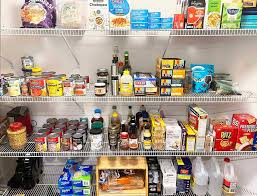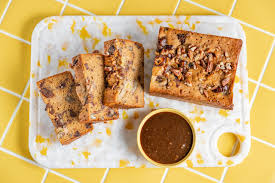
Creating a safe and organized gluten-free pantry for kids is the most proactive step you can take after a Celiac Disease diagnosis. This task is more than just swapping out bread; it’s about establishing a system that prevents cross-contamination, simplifies meal preparation, and gives your child (and you) complete peace of mind. By building a dedicated gluten-free pantry for kids, you empower them to safely grab snacks and make healthy choices without constant supervision. Follow this guide to transform your kitchen into a Celiac-safe haven.
🗑️ Step 1: The Great Gluten Purge
Before you can organize your gluten-free pantry for kids, you must remove the potential threats. Be thorough; a crumb can be enough to cause damage to a child with Celiac Disease.
Identify and Eliminate
Go through every cupboard, drawer, and shelf in your kitchen and ruthlessly remove the following obvious gluten sources:
- Breads and Baked Goods: Standard sandwich bread, bagels, English muffins, biscuits, and tortillas.
- Pasta and Grains: Wheat pasta, couscous, semolina, and anything containing barley or rye.
- Cereals: Many common cereals contain malt flavoring (made from barley). Check all labels carefully.
- Snack Foods: Most standard crackers, pretzels, cookies, and many granola bars.
- Flours: All-purpose wheat flour, vital wheat gluten, semolina flour, and whole wheat flour.
- Condiments and Sauces: Soy sauce (contains wheat), malt vinegar, certain barbecue sauces, and some salad dressings (check thickeners).
Decision Point: Mixed vs. Dedicated Kitchen
You must decide if your kitchen will be 100% gluten-free or a mixed kitchen (both gluten and gluten-free foods present).
- 100% Gluten-Free: This is the safest, simplest option. The entire family converts to the diet, eliminating all cross-contamination risk and the need for separate storage.
- Mixed Kitchen: This requires strict organization and diligence. To create a safe gluten-free pantry for kids in a mixed kitchen, you must designate separate zones.
📦 Step 2: Designing the Dedicated Gluten-Free Pantry for Kids
If you choose a mixed kitchen, organization is your shield against cross-contamination. Follow the principle that gluten must always be stored below gluten-free items to prevent crumbs or dust from falling onto safe food.
The Gluten-Free Safety Zone
Designate a specific cupboard, shelf, or drawer as the Gluten-Free Zone. This is the heart of your gluten-free pantry for kids.
- High and Safe: Choose the highest available shelf for gluten items (or any shelf above the safe zone). The middle and lower shelves should be dedicated to the safe, gluten-free pantry for kids items.
- Clear Labeling: Use bold labels or colored tape (e.g., green or blue) to clearly mark the Gluten-Free Zone. Use bright, easy-to-read labels on containers so the child knows exactly where their safe snacks are.
- Airtight Storage: Transfer all open gluten-free flours, baking mixes, and dry goods (like rice and cornmeal) into airtight, labeled containers. This protects them from airborne flour dust from any wheat flour used by other family members.
Separating the Shared Items
You must also address items that are often shared but can easily become contaminated by crumbs:
| Item Type | Gluten-Safe Solution | Why It’s Important |
| Spreads (Peanut Butter, Jams) | Buy dedicated gluten-free jars or switch to squeeze bottles. | Knives used on wheat bread carry crumbs into shared jars. |
| Condiments (Mayonnaise, Mustard) | Use squeeze bottles or buy small, dedicated jars. | Same contamination risk from crumbs. |
| Butter | Keep a dedicated stick of butter or a separate tub clearly labeled for the Celiac child. | Cross-contamination from shared knives. |
| Oils/Cooking Spray | Use new or dedicated bottles of cooking spray/oil. | Some sprays or oil bottles can get covered in flour when baking nearby. |
🛒 Step 3: Stocking the New Gluten-Free Pantry for Kids
Now, the fun part: filling your safe space! Focus on a mix of naturally safe foods and reliable, certified alternatives.
A. Naturally Gluten-Free Staples (Focus Here!)
These are the healthiest, least expensive, and least risky foods for a gluten-free pantry for kids:
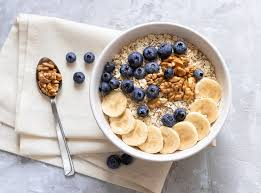
- Safe Grains: Rice (brown, white, wild), quinoa, cornmeal, certified gluten-free oats (essential due to cross-contamination risk).
- Starches: Potatoes, sweet potatoes, yams.
- Legumes: All dried or canned beans and lentils (check cans for added gluten ingredients).
- Nut Flours: Almond flour, coconut flour, chickpea flour (often used for baking).
B. Reliable Gluten-Free Replacements
- Flours and Mixes: Invest in a reliable all-purpose gluten-free flour blend (usually rice, potato, and tapioca starches). Stock mixes for pancakes, brownies, and pizza crusts that are clearly labeled.
- Pasta: Stock up on rice, corn, or legume-based pasta.
- Bread: Keep pre-sliced, individually wrapped, or frozen gluten-free bread to minimize risk and maximize freshness.
- Soy Sauce Alternative: Use Tamari (must be labeled gluten-free), coconut aminos, or a certified gluten-free soy sauce replacement.
Tip for Oats: Even if oats are naturally gluten-free, they are highly contaminated during harvesting and processing. Always buy oats certified gluten-free for your child’s pantry.
🍳 Step 4: Making Your Kitchen Tools Safe
Your gluten-free pantry for kids needs safe preparation tools, too. Tools that come into direct contact with gluten should be replaced or duplicated.
Essential Dedicated Tools
- Toaster: A shared toaster is a major contamination source. Buy a dedicated, small gluten-free toaster or use silicone toaster bags.
- Colander: Purchase a separate, clearly marked colander for draining gluten-free pasta.
- Baking Pans and Sheets: Flour can build up on non-stick pans. Dedicate a couple of metal baking sheets and pizza stones specifically for gluten-free cooking, or always use parchment paper.
- Cutting Boards: Replace porous wooden cutting boards with designated plastic or glass ones that are easy to sanitize.
Cleaning Procedures
Establish a rigorous cleaning protocol to protect the contents of your gluten-free pantry for kids.
- Countertops: Wipe down all counters and tables before preparing gluten-free meals.
- Hand Washing: Institute a family rule that everyone washes their hands before handling any food designated for the gluten-free pantry for kids or preparing a gluten-free meal.
- Oven: When baking, always cover gluten-free items to prevent airborne flour from settling on them.
🍎 Step 5: Preparing for School and Travel
A well-stocked gluten-free pantry for kids simplifies life outside the home. Use your safe stock to prepare for school and social events.
School Safety Kit
Keep a separate area near your gluten-free pantry for kids dedicated to packing. Stock:
- Safe Snacks: Individual bags of chips (check labels!), crackers, fruit leather, and protein bars that are certified gluten-free.
- Emergency Treats: A few individually wrapped gluten-free cupcakes or cookies that can be sent to school or a party so your child always has a safe option when unexpected treats are served.
- Safe Lunch Supplies: Dedicated lunch boxes, thermoses, and sandwich cutters that never touch gluten items.
Meal Prep and Planning
- Batch Cooking: Use the ingredients from your gluten-free pantry for kids to batch cook safe meals (like chili, soups, or rice bowls) that can be frozen in individual portions for easy weeknight dinners.
- Visual Check: Encourage your child to double-check labels, making them an active participant in their own health and the maintenance of the gluten-free pantry for kids.
🥳 Step 6: Making the Diet Fun and Accessible
The best gluten-free pantry for kids is one they feel comfortable and excited to use. This makes the diet feel empowering, not restrictive.
The Snack Drawer
Designate an eye-level, easily accessible drawer or bin inside the gluten-free pantry for kids just for safe, single-serving snacks.
- Permission to Grab: Teach your child, “If it’s in this green basket, it’s safe to eat.” This builds trust and independence.
- Variety is Key: Rotate snacks regularly to prevent boredom. Include items like popcorn, cheese sticks, fruit cups, applesauce pouches, and safe crackers.
Building Family Buy-In
Encourage the entire family to try the gluten-free alternatives. When everyone enjoys the gluten-free pizza crust or pasta, it normalizes the diet and removes the feeling of isolation for the Celiac child.
A meticulously planned and stocked gluten-free pantry for kids is the cornerstone of successful Celiac management. It replaces stress and uncertainty with safety and simplicity, ensuring your child can grow up healthy and confident.
You can find more detailed nutritional guides and health resources on this journey at cardiachq.com.
Now that you have the framework for setting up your gluten-free pantry for kids, what are three specific items your child misses most that we can find excellent gluten-free substitutes for?