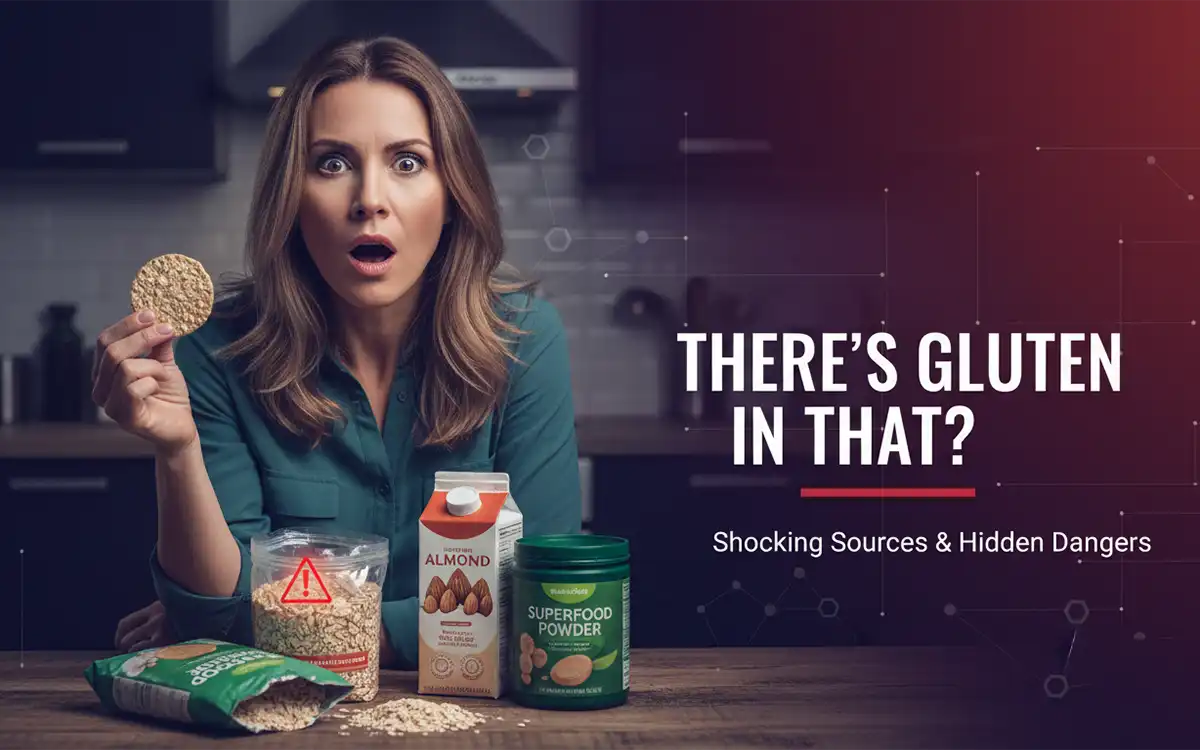
Navigating a gluten-free diet for your child means becoming a detective, constantly searching for hidden sources of gluten kids accidentally consume. Gluten is not always obvious in bread or pasta; it often lurks in unexpected places as binders, thickeners, or flavorings, making diligent label reading and awareness crucial for protecting your child’s health. This comprehensive checklist will empower you to identify and avoid these sneaky gluten traps, ensuring your child maintains a strict and safe gluten-free diet to heal and thrive.
🛑 Why Are Hidden Sources of Gluten Kids Face So Dangerous?
Even tiny amounts of gluten can trigger an autoimmune response in a child with Celiac Disease, leading to intestinal damage and symptoms. It is not just about avoiding crumbs; it is about understanding how gluten can infiltrate products you might assume are safe. The goal is to eliminate these hidden sources of gluten kids might ingest unknowingly, which can prevent healing and cause long-term health issues.
The “Less Than 20 ppm” Rule
Remember, a product labeled “Gluten-Free” in the U.S. means it contains less than 20 parts per million (ppm) of gluten. While this is generally considered safe for Celiac patients, you still need to be aware of uncertified products that might contain gluten above this threshold.
🥫 Checklist Part 1: Pantry and Processed Foods – The Usual Suspects: hidden sources of gluten kids
This section focuses on packaged foods where hidden sources of gluten kids frequently encounter. Diligent label reading is your best defense here.
A. Sauces, Marinades, and Dressings
These liquids are notorious for containing gluten as thickeners or flavor enhancers.
- Soy Sauce:
- Gluten Threat: Standard soy sauce contains wheat.
- Safe Swap: Always buy Tamari that is explicitly labeled “Gluten-Free” or use Coconut Aminos.
- Marinades and BBQ Sauces:
- Gluten Threat: Many use soy sauce, wheat flour, or barley malt.
- Safe Swap: Look for certified “Gluten-Free” brands or make your own with safe ingredients.
- Salad Dressings:
- Gluten Threat: Can contain wheat-based thickeners or malt vinegar.
- Safe Swap: Read labels carefully for thickeners, choose oil and vinegar (white, apple cider) based dressings, or make homemade.
- Gravies and Canned Soups:
- Gluten Threat: Wheat flour is a common thickener.
- Safe Swap: Seek out certified “Gluten-Free” versions or prepare from scratch using cornstarch or gluten-free flour blends.
B. Seasonings and Spices
While pure spices are naturally gluten-free, blends can be problematic.
- Spice Blends and Rubs:
- Gluten Threat: Anti-caking agents, starch fillers, or maltodextrin (if wheat-derived).
- Safe Swap: Buy pure, single-ingredient spices, or certified “Gluten-Free” spice blends.
- Bouillon Cubes/Broths:
- Gluten Threat: Often contain wheat flour or hydrolyzed wheat protein.
- Safe Swap: Choose certified “Gluten-Free” broths or bouillon.
C. Candies and Sweets
Even treats can hide gluten.
- Licorice:
- Gluten Threat: Almost all licorice contains wheat flour.
- Safe Swap: Avoid entirely or seek out specialty “Gluten-Free” versions.
- Malt-based Candies:
- Gluten Threat: Anything with “malt” contains barley.
- Safe Swap: Avoid malt balls and similar candies.
- Chocolate Bars with Fillings:
- Gluten Threat: Crispy rice (if not certified GF), cookie pieces, or wheat starch.
- Safe Swap: Stick to plain chocolate bars or certified “Gluten-Free” varieties.
🍽️ Checklist Part 2: Unexpected Places and Cross-Contamination – Vigilance Required: hidden sources of gluten kids
These are the areas where hidden sources of gluten kids encounter through accidental contact, often in the kitchen or during social interactions.
A. Kitchen Tools and Surfaces: hidden sources of gluten kids
Cross-contamination is one of the most common ways gluten gets into a child’s diet.
- Toasters:
- Gluten Threat: Crumbs from regular bread can stick to heating elements and contaminate gluten-free bread.
- Safe Solution: Dedicate a separate toaster for gluten-free bread, or use toaster bags in a shared toaster.
- Cutting Boards:
- Gluten Threat: Porous wooden cutting boards can harbor gluten particles.
- Safe Solution: Use dedicated, clearly marked cutting boards (plastic or non-porous are best) for gluten-free food preparation.
- Shared Condiment Jars (Butter, Peanut Butter, Jams):
- Gluten Threat: Crumbs from gluten-containing toast/bread can be introduced by shared knives.
- Safe Solution: Use separate, clearly labeled jars/tubs for the Celiac child, or switch to squeeze bottles.
- Colanders:
- Gluten Threat: Gluten-containing pasta residue can linger in colander holes.
- Safe Solution: Have a dedicated, clearly marked colander for gluten-free pasta.
- Frying Oil/Deep Fryers:
- Gluten Threat: If you fry breaded items (like chicken nuggets) in oil, that oil becomes contaminated and cannot be used for gluten-free items (like fries).
- Safe Solution: Use fresh, dedicated oil for all gluten-free deep-frying, or use an air fryer.
B. Medications and Supplements: hidden sources of gluten kids
- Pills, Vitamins, Syrups:
- Gluten Threat: Some medications and supplements use gluten (often wheat starch) as a binder or filler.
- Safe Solution: Always ask your pharmacist or check manufacturer websites to confirm a product is gluten-free.
C. Personal Care and Play Items
Even non-food items can be problematic if ingested or transferred.
- Play-Doh/Modeling Clay:
- Gluten Threat: Most commercial play-doh contains wheat flour. If hands go from play-doh to mouth, it can be an exposure.
- Safe Solution: Use certified “Gluten-Free” play-doh alternatives or make homemade cornstarch-based dough. Ensure thorough handwashing after use.
- Lip Balms/Lipsticks:
- Gluten Threat: Can contain gluten ingredients that are then ingested.
- Safe Solution: Choose products specifically labeled gluten-free if your child uses them.
🏫 Checklist Part 3: School, Social, and Restaurant Dining – Navigating the World: hidden sources of gluten kids
Avoiding hidden sources of gluten kids encounter outside the home requires proactive communication and preparation.
A. School and Childcare
- Craft Supplies:
- Gluten Threat: Flour-based pastes, papier-mâché, or sensory bins with pasta/flour.
- Safe Solution: Communicate with teachers about safe alternatives and ensure handwashing.
- Shared Classroom Snacks/Treats:
- Gluten Threat: Birthday cupcakes, holiday treats, or reward snacks brought by other parents.
- Safe Solution: Pack a dedicated “emergency safe snack stash” for your child. Communicate clearly with the teacher about your child’s needs.
- School Lunch/Cafeteria:
- Gluten Threat: Cross-contamination on serving lines, hidden gluten in sauces, or mislabeled items.
- Safe Solution: The safest approach is almost always packing a lunch from home. If your child eats school lunch, work directly with the cafeteria staff to ensure strict protocols are followed.
B. Restaurants and Dining Out
- Fries/Fried Foods:
- Gluten Threat: French fries are naturally gluten-free, but if fried in shared oil with breaded items (like onion rings or chicken tenders), they become contaminated.
- Safe Solution: Always ask, “Are your fries cooked in a dedicated fryer?” If not, choose baked potatoes or steamed vegetables.
- Soups and Sauces:
- Gluten Threat: Many restaurant soups and sauces use wheat flour as a thickener.
- Safe Solution: Inquire about ingredients, stick to simple grilled meats/fish with plain sides, or opt for naturally gluten-free cuisines (e.g., sushi with Tamari).
- Cross-Contamination in Kitchens:
- Gluten Threat: Shared cutting boards, utensils, gloves, or prep surfaces can transfer gluten.
- Safe Solution: Clearly state your child has Celiac Disease. Ask the server to inform the chef about the need for strict gluten-free preparation. Choose restaurants known for their Celiac-safe practices.
🌟 Empowering Your Child to Spot Hidden Sources of Gluten Kids
Beyond your vigilance, teaching your child to understand and advocate for their needs is vital.
- Teach the “Safe vs. Unsafe” Rule: Use simple terms to explain why some foods hurt their tummy and others help them grow strong.
- Empower Them to Ask: Practice asking, “Is this safe for me?” or “Does this have gluten?”
- Focus on the “Can Haves”: Celebrate the vast array of delicious foods they can eat, rather than dwelling on restrictions.
By diligently using this checklist, you build a fortress of safety around your child’s diet, protecting them from the myriad of hidden sources of gluten kids might encounter daily. This proactive approach ensures their small intestine can heal, and they can lead a healthy, energetic, and happy life.
For ongoing support and further resources on managing Celiac Disease, we recommend exploring cardiachq.com.
What is the most surprising hidden source of gluten you’ve encountered so far, and how did you manage it for your child?