The question, is a gluten-free diet healthy for kids, is often misunderstood. Learn how to navigate the market and avoid nutrient-poor processed foods to ensure your child truly benefits from going gluten-free.
Introduction
Is a gluten-free diet healthy for kids just by removing gluten? Not automatically. Simply eliminating gluten doesn’t guarantee a healthy diet. Many commercially available gluten-free products—like cookies, crackers, and snacks—are highly processed. They often contain high amounts of refined sugars, unhealthy fats, and starches, and lack the vitamins and fiber found in whole grains. To make the diet genuinely beneficial, you must focus on whole, naturally gluten-free foods.
The Misconception: Gluten-Free Diet Healthy for Kids Myth
The biggest myth surrounding the lifestyle is that if a label says “gluten-free,” the product must be healthy. This is far from the truth. Manufacturers often replace wheat flour with refined starches like tapioca starch, potato starch, or white rice flour. These replacements, while gluten-free, are nutritionally poor. They strip away fiber, B vitamins, and iron, essential nutrients that growing kids need. If your child’s diet relies heavily on processed gluten-free snacks and baked goods, their health could suffer despite avoiding gluten.
Focus on the Good: Real Reasons Gluten-Free Diet Healthy for Kids
To ensure is a gluten-free diet healthy for kids in your care, shift the focus from what you remove (gluten) to what you add (nutrients). The truly healthy path involves building meals around naturally gluten-free, whole foods.
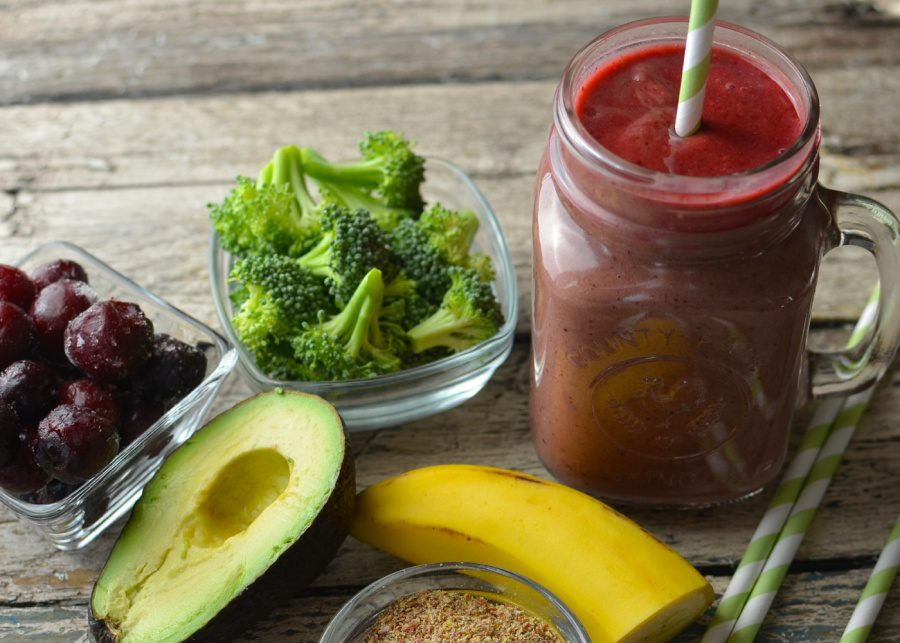
- Fruits and Vegetables: These are naturally gluten-free and packed with vitamins, antioxidants, and fiber.
- Lean Proteins: Meats, fish, eggs, beans, and legumes are excellent sources of protein and iron, with no gluten.
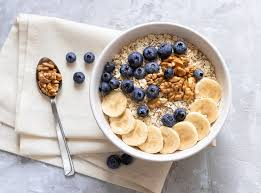
- Naturally Gluten-Free Whole Grains: Use nutrient-dense options like quinoa, brown rice, certified gluten-free oats, millet, and buckwheat (as discussed in the previous article).
By prioritizing these whole foods, you naturally reduce your reliance on processed, nutrient-empty packaged foods. This proactive approach ensures the diet is not only safe but also fully supports their growth and development.
The Pitfalls of Processed Gluten-Free Foods
Processed gluten-free foods pose three major nutritional risks:
1. High Sugar and Fat Content
To compensate for the lack of structure and taste provided by gluten, manufacturers often load products with extra sugar and unhealthy fats. These additions improve texture and palatability but contribute to weight gain and poor dental health, making the diet less healthy overall.
2. Low Fiber Content
Many gluten-free flours are refined, meaning the nutrient-rich bran and germ are removed. This results in products with significantly less fiber than their whole-wheat counterparts. A lack of fiber can lead to constipation and poor gut health, undermining the benefit of avoiding gluten.
3. Micronutrient Deficiencies
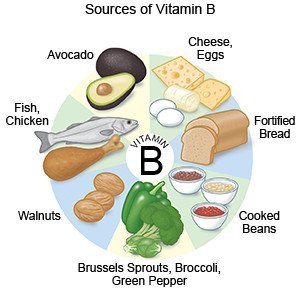
Traditional whole-grain products are often fortified with B vitamins (like folate and niacin) and iron. Many processed gluten-free alternatives are not fortified, putting children at risk of developing deficiencies. This is a crucial area to monitor when assessing is a gluten-free diet healthy for kids. You need to actively ensure your child gets these nutrients from other sources.
5 Steps to Make Gluten-Free Diet Healthy for Kids
If you’re transitioning your child, follow these five steps to guarantee the diet is truly nourishing. These practices will help you answer the question, is a gluten-free diet healthy for kids you are feeding? Yes, if you follow these steps!
1. Read Labels Religiously
Don’t just look for the “Gluten-Free” stamp. Check the ingredient list and the nutrition facts. Look for added sugars (like high-fructose corn syrup), saturated or trans fats, and note the fiber content. Choose products with short, simple ingredient lists.
2. Choose Whole Grains
Always select foods that list naturally gluten-free whole grains (like brown rice or quinoa) as the first ingredient, rather than refined starches (like potato or tapioca starch).
3. Bake and Cook at Home
Homemade meals give you complete control over ingredients. You can use nutrient-dense flours (like almond or coconut flour) and naturally sweeten with fruits instead of refined sugar. Make meals fun and engaging for the kids to encourage them to eat better.
4. Supplement Wisely
Consult your child’s pediatrician or a registered dietitian. They may recommend supplements, especially for Vitamin D, Calcium, and B vitamins, to guard against nutrient gaps inherent in improperly managed gluten-free eating.
5. Prioritize Protein and Produce
Fill plates with large servings of fruits, vegetables, and lean protein first. Use gluten-free starches (like rice or potatoes) as a side, not the main focus. This helps ensure your child gets a wide range of vitamins and minerals. This ensures is a gluten-free diet healthy for kids by emphasizing nutrient density.
Heart Health and Long-Term Wellness
The overall quality of your child’s diet—not just the exclusion of gluten—dictates their long-term health, including their cardiovascular health. A diet rich in fiber, lean protein, fruits, and vegetables helps maintain a healthy weight and supports strong heart function. A high intake of processed foods, whether gluten-free or not, can negatively impact blood pressure and cholesterol levels over time. To learn more about proactive heart health measures and general wellness tips for your entire family, visit cardiachq.com.
Your Turn!
We’ve covered the crucial factors that determine is a gluten-free diet healthy for kids. What is the single biggest challenge you face when trying to keep your child’s gluten-free diet truly healthy and free of junk food? Share your tips or struggles with avoiding sugary, processed gluten-free snacks below! We can all learn from each other’s experiences.