Introduction
Master the challenges of Picky Eating with Constipation. Learn expert strategies to break the cycle where discomfort kills appetite, focusing on maximizing hydration and fiber to restore gut health and encourage a broader, healthier food repertoire.
Picky Eating with Constipation establishes a detrimental cycle that requires a simultaneous, dual-action approach to address both the physiological discomfort and the behavioral resistance to food. Constipation causes significant abdominal discomfort, which naturally kills appetite and creates a feeling of fullness, leading the child to refuse food. This refusal often targets high-fiber foods (fruits and vegetables), reinforcing the picky eating habits that contributed to the constipation in the first place. Successfully managing Picky Eating with Constipation means breaking the cycle by prioritizing medical stabilization of the gut, followed by systematic, low-pressure introduction of high-fiber and high-fluid foods to sustain comfort and encourage a more adventurous palate.
1. Interrupting the Physiological Cycle: Medical Stabilization and Hydration
The first and most critical step in managing Picky Eating with Constipation is addressing the constipation medically. Until the child is comfortable, their appetite will remain suppressed, and the behavioral feeding interventions will fail.
Medical Clear-out and Maintenance
Consulting a pediatrician or gastroenterologist is non-negotiable. Often, the severity of the impacted stool requires a medical clear-out using prescription or over-the-counter laxatives (like polyethylene glycol—PEG) to empty the colon fully. Once cleared, the child typically needs to remain on a maintenance dose of a laxative for several weeks or months to ensure soft, easy-to-pass stools. This pharmacological intervention is the necessary pause that allows the child’s appetite to return and is the essential foundation for managing Picky Eating with Constipation.
- Pain Relief: The primary objective here is to remove the physical discomfort. Once the child is free from the chronic, nagging pain of constipation, their natural hunger cues can return, making the behavioral work on picky eating feasible.
Maximizing Hidden Hydration
Low fluid intake is a major contributor to hard stools, and children with picky eating often refuse plain water. Therefore, hydration must be maximized through every available safe avenue:
- Fluid-Rich Foods: Incorporate tolerated high-water-content foods like popsicles (made from safe juice or pureed fruit), soups (if tolerated), or even flavored waters and safe gelatin.
- Structured Fluid Schedule: Just like mealtimes, fluid intake needs a structured schedule. Offer a cup of fluid (water or safe alternative) upon waking, with every meal/snack, and before bedtime. This predictability is vital for overcoming the Picky Eating with Constipation dynamic. Aim for small, frequent fluid offerings rather than large, overwhelming volumes.
The immediate goal is to ensure the stools are consistently soft, thereby breaking the cycle of discomfort-fueled food refusal.
2. Strategic Fiber Introduction: Hidden and Blended Sources: Picky Eating with Constipation
Once the gut is medically stabilized, the challenge shifts to increasing the two nutrients most critical for long-term regularity—fiber and fluid—within the restrictive limits of picky eating. The approach must be hidden and gentle to avoid triggering anxiety.
The Art of “Invisible” Fiber Fortification: Picky Eating with Constipation
For a child who is visually rigid and texture-sensitive (common with picky eating), visible fruit and vegetable pieces are non-starters. The solution is to introduce fiber invisibly into accepted foods:
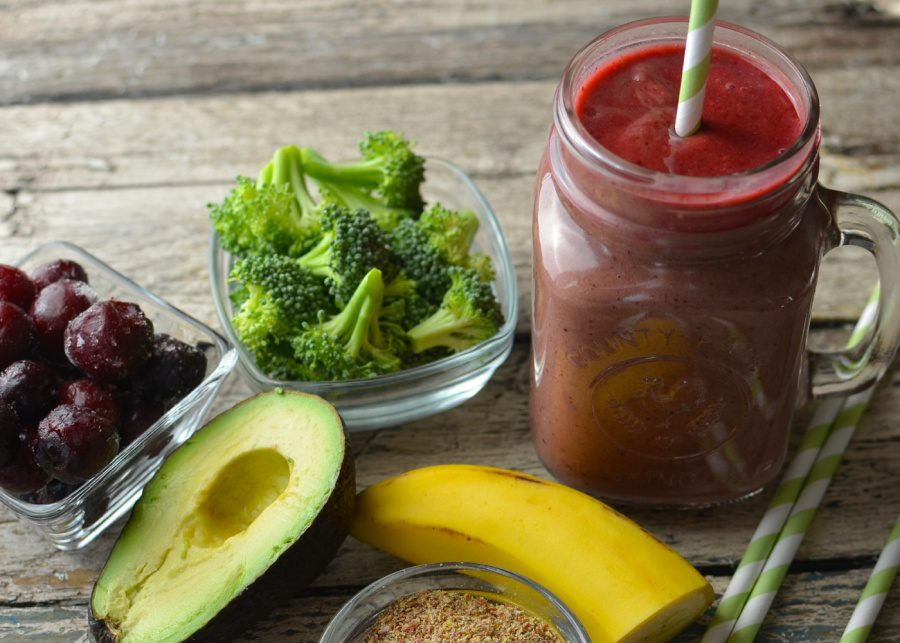
- Smoothies: A high-powered blender can completely liquefy safe fruits (like bananas or peeled apples) and mild vegetables (like spinach or peeled zucchini). These can be added to tolerated liquids or shakes, masking the texture and often the color. Start with a very small amount and gradually increase the volume over weeks.
- Baked Goods and Sauces: Pureed white beans, lentils, or mild cooked root vegetables (like carrots) can be blended seamlessly into accepted sauces (e.g., pasta sauce, if tolerated) or baked into muffins, pancakes, or safe breads. These added fibers, which are crucial for managing Picky Eating with Constipation, provide bulk without alerting the child’s sensory system.
Targeted Use of Fiber Supplements
While whole foods are preferred, the limited repertoire of picky eating often necessitates a fiber supplement. The key is to use one that is odorless, colorless, and flavorless (like inulin or powdered cellulose) that can be mixed into a small amount of an accepted drink or food (e.g., safe yogurt or applesauce). This targeted supplementation ensures the necessary daily intake to manage constipation, providing a crucial nutritional bridge until the diet can be naturally expanded. This dual strategy helps breaking the cycle.
3. Behavioral Intervention: Low-Pressure Food Exposure and Appetite Building: Picky Eating with Constipation
With the physical discomfort of constipation alleviated, the focus shifts to addressing the behavioral picky eating patterns that limit fiber intake. The goal is to build genuine appetite, curiosity, and comfort with a broader range of foods.
Leveraging the Returned Appetite
Because the child is now physically comfortable, their natural hunger cues will return. This is the prime opportunity to implement the Division of Responsibility (sDOR). The parent provides structured meals and snacks, always including a safe, accepted food and a non-pressured, small sample of a challenging, high-fiber food (e.g., a slice of pear, a piece of roasted carrot).
- No Pressure: Absolutely zero pressure to eat the challenging food. Simply having the new food present next to the safe food provides valuable low-pressure exposure. This helps the child desensitize to the food’s appearance and smell, which is a necessary step for overcoming the picky eating resistance.
- Focus on Fiber Textures: Prioritize exposure to high-fiber foods that have predictable, accepted textures (e.g., crunchy raw carrots or apples, firm roasted vegetables) over those with unpredictable or slimy textures (e.g., mixed casseroles or soft, cooked spinach).
Connecting Food to Feeling and Function
For the school-aged child, the Picky Eating with Constipation challenge can be reframed to build intrinsic motivation. Teach the child the function of the food in simple, non-shaming terms: “Your tummy feels happy now because your food helper (the medicine) and the water we drink are making it soft. This crunchy apple can also be a helper for your tummy.” This simple connection empowers the child by making them an active participant in their gut health.
4. Sustaining Gut Health and Long-Term Wellness
The final phase of managing Picky Eating + Constipation is ensuring the strategies become sustainable habits. This sustained focus on digestive health is a powerful component of anti-aging wellness.
Creating the “Gut Health” Routine
The expert approach emphasizes routines over occasional fixes. The structured fluid schedule, the maintenance fiber or laxative dose (as prescribed), and the inclusion of fortified foods must become the new normal. If the child deviates or restricts their diet during illness or travel, the parent must be ready to temporarily increase fluids and fiber supplements to prevent the immediate return of constipation, thus safeguarding the gains made in overcoming picky eating. The success of breaking the cycle is measured by the sustained absence of discomfort and the child’s consistent, healthy growth trajectory.
A consistently comfortable gut is a critical component of systemic health. Chronic constipation can lead to a host of related issues, including prolonged stress and discomfort, which impact the body’s overall inflammatory response. By resolving the chronic physiological stress of Picky Eating with Constipation, you contribute directly to the child’s long-term well-being and cellular resilience. For essential resources on the relationship between gut health, inflammation, and cardiovascular wellness, consult cardiachq.com.
As an expert in Picky Eating with Constipation, what is the single most effective “hidden hydration” technique you recommend for parents whose child refuses to drink plain water? Share your best practical tip!