Introduction
Consult The Sensory Processing Disorder (SPD) Feeding Expert guide for parents. Learn how to use principles from the SOS Approach and “food play” to create a structured exposure plan that respects your child’s sensory system and expands their diet without pressure.
The Sensory Processing Disorder (SPD) Feeding Expert approach is necessary when a child’s extremely picky eating is directly linked to hypersensitivity to textures, smells, colors, or tastes. For these children, food is not simply fuel; it is a sensory threat that triggers genuine distress, often leading to gagging, vomiting, or intense refusal. This is not defiance, but a neurological response where the child’s sensory system is overwhelmed by the input from the food.
As the bridge between occupational therapy (OT) and nutrition, the expert uses structured principles, often derived from programs like the SOS (Sequential Oral Sensory) Approach to Feeding, to create a low-pressure “food play” and exposure plan that respects the child’s sensory boundaries. The goal is to slowly desensitize the child’s system, allowing them to tolerate, then interact with, and finally eat, a wider variety of foods, thereby achieving long-term nutritional adequacy.
1. Understanding Sensory Aversion and The SOS Approach
Effective intervention for Sensory Processing Disorder (SPD) Feeding Expert challenges begins with a clear understanding of the child’s sensory profile and the framework used to address it.
The Sensory Aversion Profile
For a child with SPD, a food’s characteristics are amplified: a soft texture feels slimy; a mild smell is overpowering; and a slight temperature difference is shocking. This is why their repertoire often shrinks to highly predictable foods (e.g., dry, crunchy, single-color foods) that offer minimal sensory surprise. The expert’s job is to identify the dominant sensory trigger (e.g., texture vs. smell) to tailor the exposure plan. Addressing this underlying sensory hypersensitivity is the first step in the Sensory Processing Disorder (SPD) Feeding Expert methodology, as it lays the groundwork for all future food exploration.
The Sequential Oral Sensory (SOS) Approach Framework
The SOS Approach is a transdisciplinary program that integrates developmental, oral-motor, and sensory skills to address feeding issues. It is based on the idea that children learn about food through a predictable, low-pressure sequence of interactions. This sequence is central to the work of the Sensory Processing Disorder (SPD) Feeding Expert because it gives the child control and removes the demand for consumption:
- Tolerate: Allow the food to be in the room or on the table.
- Interact: Allow the child to engage with the food (e.g., touching, stirring) using tools.
- Smell: Tolerating the food’s aroma.
- Touch: Tolerating the food with fingers, hands, and then lips.
- Taste: Licking or chewing and spitting out a piece.
- Eat: Swallowing a small bite.
This methodical progression, utilized by the Sensory Processing Disorder (SPD) Feeding Expert, respects the child’s neurological need for predictability and safety, ensuring that no step is rushed.
2. Implementing the “Food Play” and Exposure Plan
The concept of “food play” is a therapeutic technique designed by the Sensory Processing Disorder (SPD) Feeding Expert to encourage sensory exploration of food without the pressure of having to eat it. This is where the core of desensitization occurs.
Structured, Messy “Food Play” Sessions
Therapeutic “food play” sessions are often separate from mealtimes to keep the eating environment sacred and low-pressure. The expert guides parents to use a designated area (e.g., a craft table or floor mat) where the child can explore a challenging food with their hands and other materials.
- The Goal is Interaction, Not Ingestion: If the goal is to introduce soft, sticky textures (a common aversion), the session might involve painting with yogurt, squishing cooked pumpkin with their hands, or building towers with mashed potatoes. This repeated, playful exposure desensitizes the tactile system.
- Controlling the Variables: The Sensory Processing Disorder (SPD) Feeding Expert advises starting with a food that is only one sensory step away from the child’s accepted foods. If the child eats crunchy, plain crackers, the next step might be a slightly softer cracker or the same cracker with a dry powder (like Parmesan cheese) on top. Change only one sensory property at a time (e.g., change texture but keep the color/smell the same). This systematic approach minimizes the risk of overwhelming the child’s system.
This repeated, safe “food play” interaction teaches the brain that the sensory information from the food is not dangerous, slowly expanding the child’s comfort zone, which is the primary objective of the Sensory Processing Disorder (SPD) Feeding Expert strategy.
3. Creating Sensory Bridges and Ensuring Nutritional Adequacy
The ultimate goal of the Sensory Processing Disorder (SPD) Feeding Expert is to use the sensory progress gained through play to create sensory bridges that lead to oral intake and sustainable nutritional adequacy.
The Principle of Sensory Bridging (Food Chaining)
The Sensory Processing Disorder (SPD) Feeding Expert uses food chaining, which is intrinsically linked to the SOS approach, to expand the diet based on tolerated sensory properties. You leverage the sensory qualities of accepted foods to introduce a new food that shares 80% of those qualities:
- Sensory Chain Example (Hypersensitivity to Wetness):
- Safe Food: Plain, dry French fries (Hot, salty, crunchy, dry).
- Bridge 1: A plain, dry baked potato wedge (Same: dry, salty, hot; New: shape, slightly rougher texture).
- Bridge 2: A very firm, roasted sweet potato (Same: dry, firm, hot; New: color, subtle sweetness).
This slow, purposeful introduction, guided by the Sensory Processing Disorder (SPD) Feeding Expert, targets the sensory criteria of the child, not just the food group. The bridge allows the child’s system to adapt to the new sensory information incrementally.
Maintaining Nutritional Adequacy
Because this process is slow, The Sensory Processing Disorder (SPD) Feeding Expert must simultaneously implement a nutritional intervention to guarantee necessary caloric and micronutrient intake.
- Calorie and Protein Fortification: The expert advises fortifying the limited range of accepted foods (e.g., adding safe oils, butter, or protein powders to crackers, safe cereals, or shakes) to prevent growth faltering.
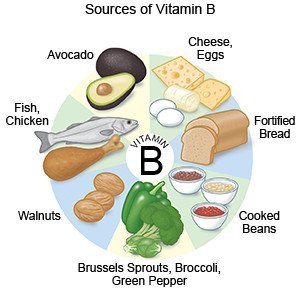
- Targeted Supplementation: A detailed nutritional analysis identifies deficiencies (common ones include Iron, Calcium, Zinc, and B Vitamins). Targeted supplementation, often guided by the RD, is necessary to support immune and cognitive function until the Sensory Processing Disorder (SPD) Feeding Expert has successfully broadened the diet.
4. Sustained Wellness and The Sensory Processing Disorder (SPD) Feeding Expert Role
The long-term success of the Sensory Processing Disorder (SPD) Feeding Expert intervention lies in its ability to normalize the child’s feeding experience, reduce family stress, and support robust growth throughout their development.
Integrating Play into Mealtimes
Once the child has successfully interacted with a food during “food play”, the next step is bringing that exposure to the family table, again without pressure. The Sensory Processing Disorder (SPD) Feeding Expert advises that mealtimes should be consistent, structured, and use the Division of Responsibility (Parent provides what/when/where; child provides if/how much). This sustained low-pressure environment reinforces the gains made in therapy.
Long-Term Anti-Aging Health
Chronic nutritional deficiencies and the constant stress associated with feeding battles negatively impact systemic health. By successfully resolving the sensory feeding issues and achieving nutritional adequacy through a broader diet, the Sensory Processing Disorder (SPD) Feeding Expert helps mitigate systemic stress and inflammation. A diverse intake supports a healthier gut microbiome and resilient immune function, which are foundational to long-term cellular health and performance. This holistic view of health underpins the approach of the Sensory Processing Disorder (SPD) Feeding Expert. For more resources on systemic health, the role of nutrition in reducing chronic inflammation, and cardiovascular wellness, consult cardiachq.com.
As a Sensory Processing Disorder (SPD) Feeding Expert, what is the single most important piece of advice you give to a parent starting “food play” with their sensory-sensitive child? Share your insight!