Gluten-free on a budget for families starts with prioritizing naturally gluten-free whole foods over expensive processed specialty items. Many parents feel overwhelmed by the “gluten-free tax” found in the grocery aisles, where a loaf of bread can cost triple the price of standard wheat bread. However, you can provide your Celiac child with a nutrient-dense, safe diet without breaking the bank. By shifting your focus toward staples like rice, beans, and potatoes, you ensure your child stays healthy while keeping your finances intact.

1. Prioritize Naturally Gluten-Free Staples
The most effective way to maintain gluten-free on a budget for families is to shop the perimeter of the store. Foods like eggs, fresh produce, and unprocessed meats are naturally safe and often cheaper than “gluten-free” branded boxes. Potatoes, corn, and rice are incredibly versatile and serve as excellent bases for almost any meal.
Instead of buying expensive gluten-free pasta every night, try serving your sauces over baked potatoes or brown rice. These options are not only more affordable but often contain more fiber and nutrients than highly processed substitutes. When you build your meals around these core items, you significantly lower your weekly grocery bill.
2. Buy in Bulk to Save Big
Purchasing grains and legumes in large quantities is a cornerstone of gluten-free on a budget for families. Items like quinoa, dried beans, and lentils have a long shelf life and cost much less per ounce when bought in bulk. However, you must be careful about cross-contamination in bulk bins at the grocery store.
To stay safe, purchase large, factory-sealed bags rather than using open-air bins where shared scoops are a risk. Many online retailers offer competitive pricing on 5lb or 10lb bags of certified gluten-free flour blends and grains. Buying these essentials once a month in large quantities reduces the “per-meal” cost for your Celiac child.
3. Embrace the Power of Frozen Produce
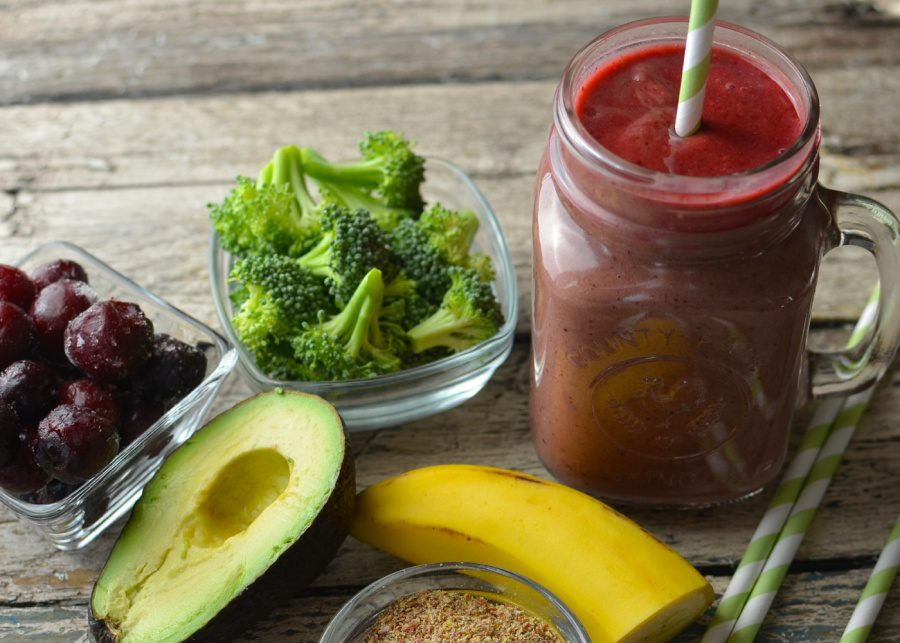
Fresh berries and greens can be expensive, especially out of season. For successful gluten-free on a budget for families, the freezer section is your best friend. Frozen fruits and vegetables are picked at peak ripeness and frozen immediately, locking in nutrients.
Frozen vegetables are perfect for stir-fries, soups, and stews. They also eliminate food waste since you only use what you need. Ensure you check the labels for any hidden sauces or seasonings that might contain gluten, but most plain frozen vegetables are a safe, low-cost win for your family.
4. Master the Art of Meal Prepping
Planning your meals in advance is essential for staying gluten-free on a budget for families. When you have a plan, you are less likely to rely on expensive, last-minute gluten-free convenience meals or takeout. Spend your Sunday prepping “batch” meals like chili, stews, or slow-cooked meats.
These meals can be frozen in individual portions for school lunches or busy weeknights. Prepping your own snacks, such as roasting chickpeas or baking homemade granola, also saves a significant amount of money compared to buying pre-packaged gluten-free snack bars.
5. Cook from Scratch Whenever Possible
While it takes more time, cooking from scratch is the gold standard for gluten-free on a budget for families. Making your own bread, muffins, or pizza crust from a basic gluten-free flour blend is far cheaper than buying the frozen versions. It also gives you total control over the ingredients, ensuring no hidden cross-contamination.
You don’t need to be a professional chef to master simple gluten-free baking. Start with easy recipes like banana bread or almond flour crackers. Once you build a small pantry of basic ingredients, you will find that “scratch cooking” becomes a natural and cost-saving part of your routine.
6. Shop Seasonal and Local
Buying produce that is currently in season is a great way to maintain gluten-free on a budget for families. Farmers’ markets often have “end-of-day” deals where you can get large quantities of vegetables for a fraction of the supermarket price.
Seasonal produce is tastier and more nutrient-dense. In the autumn, focus on squash and root vegetables; in the summer, enjoy abundant berries and leafy greens. Learning to cook with the seasons keeps your child’s diet varied and interesting without requiring expensive imported goods.
7. Use Legumes as a Meat Substitute
Meat is often the most expensive part of a meal. For gluten-free on a budget for families, try incorporating “Meatless Mondays” or using legumes to stretch your meat further. Lentils and black beans are excellent sources of protein and are naturally gluten-free.
Adding a can of black beans to a pound of ground beef for tacos can double the number of servings. Lentil soup is a hearty, filling, and incredibly cheap meal that most children enjoy. Legumes are also great for gut health, providing the fiber that Celiac children need to maintain a healthy microbiome.
8. Don’t Be Afraid of Store Brands
Many grocery chains now have their own line of gluten-free products. Choosing store-brand items is a smart way to stay gluten-free on a budget for families. These products are often manufactured in the same facilities as name brands but carry a much lower price tag.
Always look for the gluten-free certification on the packaging to ensure safety. From pasta to crackers, store brands have come a long way in terms of quality and taste. Switching just three or four name-brand items for store versions can save you five to ten dollars per trip.
9. Reduce Reliance on Specialty Breads
Gluten-free bread is notoriously expensive and often comes in small loaves with holes in the middle. To stay gluten-free on a budget for families, try to limit bread consumption. Use large lettuce leaves for wraps, or serve “deconstructed” sandwiches in a bowl over rice or quinoa.
Corn tortillas are naturally gluten-free and are significantly cheaper than gluten-free flour tortillas or bread. Making “taco night” a regular occurrence is a budget-friendly way to satisfy your child’s craving for handheld food without the high cost of specialty bakery items.
10. Grow Your Own Herbs and Simple Veggies
If you have a small sunny spot or a windowsill, growing your own herbs is a fun way to support gluten-free on a budget for families. Fresh herbs like cilantro, basil, and parsley add huge flavor to simple meals like rice and beans, but they can be expensive to buy fresh at the store.
For those with a bit more space, growing easy vegetables like cherry tomatoes or zucchini can provide a “free” source of fresh snacks for your child. Involving your Celiac child in the gardening process also helps them develop a positive relationship with the healthy foods that keep them safe.
Heart Health and a Balanced Budget
Feeding your child a healthy, gluten-free diet is a long-term investment in their overall wellness. By reducing processed foods to stay on budget, you are also reducing their intake of sodium and unhealthy fats. This naturally supports cardiovascular health, which is vital for children with autoimmune conditions who may face higher systemic inflammation.
To learn more about the intersection of diet, inflammation, and heart health, visit cardiachq.com. They offer resources to help you maintain a heart-healthy lifestyle for your family, ensuring your child thrives from their gut to their heart.
Join the Discussion!
We know that managing Celiac disease is as much a financial challenge as it is a health challenge. We want to hear your money-saving secrets!
- What is your go-to “cheap and easy” meal that is naturally gluten-free?
- Have you found a store brand that your Celiac child absolutely loves?
- Do you have any tips for finding gluten-free coupons or deals?
Please share your thoughts in the comments below! Your advice could help another family feel less stressed about their grocery bill this week. If you found this guide helpful, please share it with your local Celiac support group or on social media.
Would you like me to create a “Gluten-Free Pantry Staples” shopping list that focuses on items under $2.00 per serving?