Introduction
Consult The FPIES Management Guide for a starter pack on Food Protein-Induced Enterocolitis Syndrome. Create a safe food list, learn the FPIES Emergency Plan when to go to the ER, and master Navigating a Milk and Soy FPIES Diagnosis and less common triggers.
The FPIES Management Guide is essential for any family newly navigating the challenges of Food Protein-Induced Enterocolitis Syndrome FPIES, a severe, non-IgE mediated food allergy that primarily affects the gastrointestinal tract. Unlike typical allergies, FPIES reactions are delayed, often starting two to four hours after ingestion, and can involve profuse vomiting, diarrhea, and potentially shock. Our starter pack consultation helps families move beyond the initial shock to create a life of safety and confidence, focusing on a clear safe food list, a detailed FPIES Emergency Plan, and a systematic strategy for trialling new foods. This comprehensive approach is vital for FPIES Management Guide success and for maintaining the child’s growth and well-being.
1. Navigating a Milk and Soy FPIES Diagnosis and Safe Food List Creation
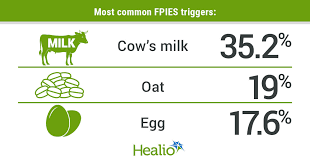
Milk and soy are the most common triggers for Food Protein-Induced Enterocolitis Syndrome FPIES, making Navigating a Milk and Soy FPIES Diagnosis a frequent starting point for families. Establishing a core safe food list is the immediate priority.
The Most Common Triggers and The Safe List
A diagnosis of FPIES requires strict avoidance of the confirmed triggers, which usually includes cow’s milk and soy, often necessitating the use of specialized formulas like amino-acid based products. Navigating a Milk and Soy FPIES Diagnosis means understanding that these two foods are the foundation of many processed ingredients, demanding meticulous label reading.
- Safe Food List Foundation: The initial safe list should be small and include only single-ingredient, easily tolerated foods that the child has eaten multiple times without reaction. Typically, this starts with a few grains rice or oats and two or three vegetables often zucchini or squash.
- Reviewing Medications: Families must work with a pharmacist to review all medications and supplements, as even these can contain hidden milk and soy FPIES proteins.
The safe food list is the anchor in FPIES Management Guide success. It is a source of predictability and safety that reduces parental anxiety and ensures the child receives foundational nutrients.
The Problem of Cross-Reactivity
While milk and soy FPIES are common, there is a risk of cross-reactivity with other food proteins, especially with oat and rice. The FPIES Management Guide emphasizes discussing cross-reactivity with your allergist. Even rice, a typical safe food, can be an FPIES trigger for a small percentage of children, highlighting the need for extreme caution when building the safe food list after any FPIES Diagnosis.
2. Less Common FPIES Triggers and Expanding the Diet: FPIES Management Guide
While milk, soy, rice, and oats account for most reactions, Food Protein-Induced Enterocolitis Syndrome FPIES can be triggered by virtually any food protein. Understanding the potential for Less Common FPIES Triggers is key to a cautious expansion strategy.
Identifying Less Common FPIES Triggers
The list of less common FPIES triggers is extensive and often includes fruits and vegetables that many parents consider universally safe.
- Fruits and Vegetables: Sweet potato, banana, avocado, and green beans are reported as less common FPIES triggers. Reactions to sweet potato, in particular, can be severe due to its high protein content and the fact that it is often introduced early.
- Meats: Turkey and chicken, though often used as safe proteins, can also be less common FPIES triggers.
The discovery of a reaction to a less common food is often disheartening but reinforces the need for the structured trialling strategy laid out in The FPIES Management Guide.
The Structured Trialling Strategy
Expanding the safe food list requires a precise, systematic process to test for Less Common FPIES Triggers:
- Medical Clearance: Always trial a new food under the direct supervision of a healthcare professional or with their explicit protocol and approval.
- Single Ingredient: Only trial single-ingredient foods to accurately pinpoint the trigger.
- The FPIES Trial Protocol: The new food is typically consumed in a small, predetermined amount over three consecutive days. The child is then monitored closely for the delayed reaction (vomiting, diarrhea) for up to four days after the final dose.
- No New Foods: Do not introduce any other new foods, medications, or variables during the testing window.
This slow, methodical approach is the only way to safely identify and clear new foods, minimizing the danger from Less Common FPIES Triggers.
3. The FPIES Emergency Plan: What to Feed and When to Go to the ER
Despite all precautions, reactions occur. The FPIES Emergency Plan is a vital, high-stakes document that must be prepared, memorized, and shared with all caregivers.
The Acute Reaction and Immediate Actions: FPIES Management Guide
An FPIES reaction is characterized by a dramatic, usually projectile vomiting episode that begins hours after ingestion, often followed by severe diarrhea and lethargy. The FPIES Emergency Plan prioritizes fluid and shock prevention.
- Stop Feeding: Immediately stop giving the child anything by mouth, including their regular safe food or formula.
- Fluid Resuscitation: The critical element of The FPIES Emergency Plan is preventing dehydration and shock. The immediate treatment is oral electrolyte solution Pedialyte or equivalent in small, frequent sips.
- Ondansetron (Zofran): If prescribed by your doctor, administer this anti-emetic medication as instructed to stop the vomiting and prevent the progression to shock.
This rapid response is the most crucial part of The FPIES Emergency Plan for stabilizing the child before professional medical intervention.
When to Go to the ER
Knowing When to Go to the ER is the high-stakes decision in FPIES Management Guide. The rule of thumb is:
- Failure to Stop Vomiting: If vomiting continues or is excessive despite the administration of Ondansetron and small sips of electrolyte solution.
- Signs of Shock: If the child develops extreme lethargy, paleness, cool or mottled skin, or a delayed response to stimuli, go to the ER immediately. These are signs of impending hypovolemic shock.
- The ER Protocol: Inform the staff immediately upon arrival that the child has FPIES and is in potential shock due to a delayed reaction. The standard treatment is intravenous IV fluids to rapidly restore hydration and blood pressure. Always carry The FPIES Emergency Plan document, including your allergist’s contact information, to the hospital.
4. Sustaining Growth and Long-Term Wellness with FPIES
Long-term management of Food Protein-Induced Enterocolitis Syndrome FPIES focuses on nutritional stability, vigilance, and preparing for the eventual outgrowing of the allergy.
Nutritional Vigilance for Growth
Because FPIES restricts major food groups, continuous monitoring of the child’s growth curve is paramount. The FPIES Management Guide stresses working closely with a dietitian to ensure that the safe food list and/or formula provides adequate calories, protein, and all necessary micronutrients. Any faltering growth is a sign that the current diet is insufficient and requires immediate adjustment, often through increasing the density of the formula or safe foods. This rigorous FPIES Management Guide adherence supports the child’s long-term health.
Outgrowing FPIES and Reassessment
Most children outgrow Food Protein-Induced Enterocolitis Syndrome FPIES, typically between the ages of three and five. The timeline varies depending on the trigger (milk and soy tend to be outgrown sooner than solid foods). Once clinically stable, the allergist will propose a supervised oral food challenge in a hospital setting. This challenge, a milestone in the FPIES Management Guide journey, is the definitive test to confirm tolerance and remove the diagnosis. Overcoming the severe reaction of FPIES and achieving a normal diet is a victory for anti-aging resilience. For resources on managing the chronic stress of caregiving and its impact on systemic health, consult cardiachq.com.
As a family navigating The FPIES Management Guide, what is the single most anxiety-provoking part of introducing a new food to your child? Share your primary concern!