When a child receives a Celiac Disease diagnosis, a key question immediately arises for parents: should our whole family go gluten-free? While the child’s strict adherence to the diet is non-negotiable for their health, extending the diet to the rest of the household is a significant decision involving considerations of safety, cost, convenience, and nutrition. There are compelling arguments for adopting a whole family gluten-free lifestyle, primarily focused on eliminating the dangers of cross-contamination, but there are also practical drawbacks that every family must carefully weigh.
🛡️ The Case for “Yes”: Safety First with a Whole Family Gluten-Free Diet
The single most powerful argument for making the change to a whole family gluten-free lifestyle revolves around eliminating the ever-present threat of cross-contamination. For a child with Celiac Disease, even microscopic particles of gluten are enough to cause intestinal damage and prevent healing.
1. Eliminating Cross-Contamination Risk
This is the primary reason why many families choose to go whole family gluten-free.
- Kitchen Safety: Removing all gluten from the house instantly removes risks associated with shared appliances (toasters, colanders), shared utensils, airborne flour dust, and crumb-contaminated jars (butter, peanut butter). You no longer need separate shelves, cutting boards, or color-coded utensils.
- Reduced Anxiety: A whole family gluten-free kitchen drastically reduces parental anxiety. You don’t have to constantly supervise siblings or worry about a non-Celiac parent accidentally using the wrong spoon or bread knife.
- Simplified Meal Prep: Mealtime becomes infinitely easier. You can cook one dinner for everyone, use all the same ingredients, and worry less about strict separation during cooking and serving.
2. Normalizing the Diet for the Child
When the whole family go gluten-free, it transforms the diet from a medical restriction into a normal family way of eating.
- Emotional Support: The child feels less singled out or different. They see their entire family eating the same food, which fosters a feeling of support and normalcy, especially crucial during childhood and adolescence.
- Peer Pressure Reduction (at Home): The constant desire for “forbidden” food is minimized when there are no non-gluten-free snacks, cereals, or treats readily available in the house.
3. Easier Socializing and Travel
A whole family gluten-free approach simplifies life outside the kitchen as well.
- Packing and Travel: When packing for a family vacation or a weekend trip, you only need to check and pack gluten-free items, simplifying logistics dramatically.
- Unified Front: You present a united front when communicating with schools, friends’ parents, or extended family, emphasizing that all family food must be safe.
💰 The Case for “No”: Weighing the Costs and Challenges of a Whole Family Gluten-Free Diet
While the safety benefits are compelling, adopting a whole family gluten-free diet introduces practical and nutritional considerations that may be difficult for some families to maintain.
1. Increased Cost of Groceries
Gluten-free specialty products often come with a significantly higher price tag than their gluten-containing counterparts.
- Expense: Replacing all family staples—bread, pasta, pizza dough, cookies, and flours—with certified gluten-free versions can substantially increase your weekly grocery budget.
- Availability: In some areas, high-quality, fortified gluten-free products may be harder to find, requiring trips to specialized health food stores or online ordering, which adds to the hassle and cost.
2. Potential Nutritional Drawbacks for Non-Celiac Members
While a whole family gluten-free diet can be perfectly healthy, it requires attention to certain nutrients that are often added to fortified wheat products.
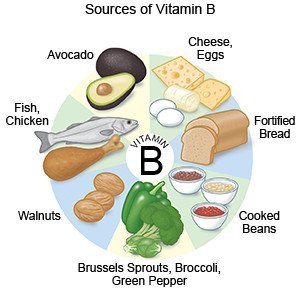
- Missing Nutrients: Standard wheat flour is often fortified with B vitamins (niacin, riboflavin, thiamin, folic acid) and iron. Removing all fortified grain products means the non-Celiac family members may miss out on these essential micronutrients if they do not intentionally replace them with naturally rich sources (like legumes, fortified rice, or leafy greens).
- Fiber Intake: Many highly refined gluten-free products are lower in fiber than whole-wheat alternatives. The whole family gluten-free diet must be rich in naturally high-fiber foods like vegetables, fruits, and safe whole grains (quinoa, brown rice, certified oats).
3. Palatability and Personal Choice
Taste and preference can be a barrier to maintaining a whole family gluten-free approach long-term.
- Texture/Taste: Some non-Celiac family members may struggle with the texture and taste of certain gluten-free substitutions, like bread or certain pastas. This can lead to resistance or dietary cheating, which defeats the purpose of going entirely gluten-free.
- External Eating: Non-Celiac family members may feel overly restricted when eating out or at social events, leading to friction or resentment against the whole family gluten-free rule.
⚖️ The Balanced Approach: The “Gluten-Minimal, Naturally Safe” Kitchen
Many families find a successful middle ground that ensures safety for the Celiac child while minimizing the burden on the rest of the household. This involves adopting a gluten-minimal strategy instead of strictly whole family gluten-free.
1. Eliminating High-Risk Items
Make the family commitment to remove all the riskiest gluten items that lead to cross-contamination:
- No Gluten Bread or Baked Goods: Use only gluten-free bread, rolls, and mixes. This eliminates the toaster and countertop crumb danger.
- No Gluten Flours: Use only gluten-free flours for all baking and thickening. This eliminates airborne flour—one of the worst culprits for contamination.
- No Gluten Pasta: All pasta should be gluten-free to simplify cooking and eliminate colander contamination risk.
2. Safe Storage for Low-Risk Gluten Items
If you keep gluten in the house (e.g., standard cereal, beer, non-GF crackers for a parent), establish a highly restricted zone:
- Designated “Gluten-Only” Zone: Store these items in a single, sealed plastic bin or on the highest shelf, clearly away from the gluten-free pantry for kids.
- Strict Consumption Rules: These items must only be consumed in a separate area of the house (e.g., a non-kitchen table) and require immediate handwashing afterward.
3. Focus on Naturally Gluten-Free Meals
Regardless of your decision on a whole family gluten-free kitchen, the majority of your meals should naturally be safe for everyone:
- Protein and Produce: Center meals around safe proteins (unseasoned meat, fish, eggs) and abundant fruits and vegetables.
- Safe Grains: Build sides around safe starches like rice, potatoes, quinoa, and corn. This simplifies meal planning and ensures the whole family is eating nutritious food.
The decision to make your whole family gluten-free is deeply personal and dependent on your family’s budget, lifestyle, and capacity for vigilance. If the risks of cross-contamination seem too high or too stressful, then going completely gluten-free is the path of least resistance and greatest safety. If the cost and restriction are too great, the ‘gluten-minimal’ approach, focusing on strict protocols, can be a manageable compromise.
For ongoing dietary advice and health management tips, particularly regarding the nutritional aspects of a restricted diet, you can rely on resources like cardiachq.com.
Based on your family’s current cooking habits, do you feel the cross-contamination risks outweigh the cost implications, or would you lean toward a compromise to adopt a whole family gluten-free approach?