Choosing dedicated gluten-free oats is the only way to ensure your child with Celiac disease avoids hidden gluten contamination. Many parents assume that any bag labeled “gluten-free” provides enough safety for a growing child. However, the manufacturing process for oats is complex and carries high risks of cross-contact. For children with Celiac disease, even a microscopic amount of wheat, barley, or rye can trigger an immune response. This response damages the small intestine and hinders nutrient absorption. Understanding the source of your child’s grain is the first step in true healing.

Why Standard Oats Fail Compared to Dedicated Gluten-Free Oats
Standard oats often grow in fields right next to wheat or barley. Farmers frequently use the same machinery to harvest different types of grains. This shared equipment introduces wheat kernels into the oat harvest almost immediately. For a child on a strict diet, this initial contact creates a significant health hazard. Dedicated gluten-free oats eliminate this risk by using separate land and equipment from the very beginning.
Transporting grains also poses a threat to safety. Trucks and railcars that carry wheat one day may carry oats the next. If the cleaning process is not perfect, cross-contamination occurs during transit. Companies that produce dedicated gluten-free oats maintain their own fleet or strictly controlled transport lines. This level of oversight ensures that no stray grains enter the supply chain. For a Celiac child, this “seed-to-spoon” control is not a luxury; it is a necessity.
The Difference Between Purity Protocol and Dedicated Gluten-Free Oats
You may hear the term “Purity Protocol” when researching safe grains for your family. This protocol is the gold standard for producing dedicated gluten-free oats. It involves rigorous testing at every stage of growth, harvest, and packaging. While some companies use mechanical sorting to remove wheat from “regular” oats, this method is not foolproof. Mechanical sorters can miss thin slivers of barley or broken wheat kernels.
By contrast, dedicated gluten-free oats grown under purity protocols do not rely on sorting out “the bad stuff.” Instead, they ensure the “bad stuff” was never there to begin with. This proactive approach provides peace of mind for parents. When your child eats a bowl of oatmeal, you want to know it is naturally clean. Relying on dedicated gluten-free oats means you are not gambling with your child’s intestinal villi.

How Dedicated Gluten-Free Oats Protect Developing Immune Systems
Children with Celiac disease have immune systems that are constantly on high alert. When they consume trace amounts of gluten, their bodies stay in a state of inflammation. This inflammation can lead to growth delays, dental enamel defects, and iron deficiency anemia. Using dedicated gluten-free oats helps lower the overall “gluten load” on their system. Even if they don’t have immediate stomach pain, silent damage can still occur.
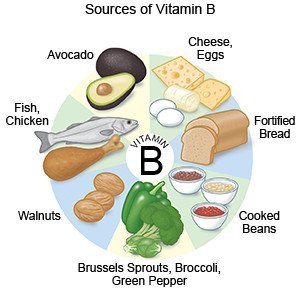
Research shows that some Celiac patients also react to avenin, a protein found in oats. However, many of these reactions are actually caused by the wheat contamination in the oats rather than the oats themselves. When you introduce dedicated gluten-free oats, you can more accurately determine if your child truly tolerates the grain. If they can eat dedicated gluten-free oats without symptoms, you have successfully expanded their diet safely. This variety is essential for providing the fiber and B vitamins that Celiac kids often lack.
Identifying Quality in Dedicated Gluten-Free Oats
Reading labels is a full-time job for Celiac parents. Not all “gluten-free” labels are created equal. Some large brands use “optically sorted” oats, which are processed in facilities that also handle wheat. To find true dedicated gluten-free oats, look for specific certifications. The Gluten-Free Certification Organization (GFCO) provides a symbol that indicates higher safety standards. However, the best practice is to look for brands that explicitly state they use a dedicated facility.
A dedicated facility means that no gluten-containing grains ever enter the building. This removes the risk of “dust” contamination. In a shared facility, flour dust can hang in the air for hours and settle on clean equipment. By choosing dedicated gluten-free oats, you ensure that your child’s breakfast was never exposed to airborne gluten. Always check the manufacturer’s website to confirm their processing standards. Transparency is a hallmark of a company that cares about the Celiac community.
3 Simple Steps to Transition to Dedicated Gluten-Free Oats
- Audit Your Pantry: Remove any oats that do not clearly state they are from a dedicated facility. Even if you have half a bag left, the risk to a child is not worth the cost of the grain.
- Contact Brands Directly: If a label is vague, send a quick email to the company. Ask if they use a “purity protocol” and if their facility is 100% gluten-free.
- Monitor Your Child: After switching to dedicated gluten-free oats, watch for improvements in mood, energy, and digestion. Many parents notice that “mystery” tummy aches disappear once they make the switch.
Educating your child about why these specific oats matter is also helpful. As they grow, they will need to make these choices for themselves. Teach them to look for the words dedicated gluten-free oats on the packaging. This empowers them to take control of their health from a young age.
The Long-Term Impact of Dedicated Gluten-Free Oats on Growth
Consistency is the most important factor in managing Celiac disease. A child who avoids major gluten but consumes trace amounts through contaminated oats may still face long-term health hurdles. By sticking to dedicated gluten-free oats, you allow the gut to heal completely. A healthy gut absorbs the calcium and protein needed for strong bones and muscles. This is especially critical during puberty and high-growth phases.
Furthermore, the psychological benefit of feeling “safe” with food cannot be overstated. Children who get sick frequently develop food anxiety. Providing dedicated gluten-free oats ensures that breakfast is a positive, pain-free experience. When a child trusts their food, they develop a healthier relationship with eating. This foundation of safety starts with the specific choices you make in the grocery aisle today.
Protecting the Heart and the Gut
Health is a holistic journey. While we often focus on the digestive system in Celiac disease, inflammation in the gut can eventually impact the heart. Keeping your child’s inflammation levels low through the use of dedicated gluten-free oats is a proactive step for their future cardiovascular health. For more insights on maintaining a healthy heart and managing systemic inflammation, visit cardiachq.com. They provide valuable information on how lifestyle and diet intersect with long-term wellness.
We Want to Hear Your Story!
Navigating the world of gluten-free grains can feel overwhelming, but you are part of a vibrant community.
- Have you noticed a difference in your child’s symptoms after switching to dedicated gluten-free oats?
- What is your favorite brand that uses a purity protocol?
- Do you find it difficult to find these products in your local grocery store?
Please share your thoughts and tips in the comments below! Your experience could help another parent who is just starting this journey. Let’s work together to make the world a safer place for Celiac kids.
Would you like me to provide a list of certified brands that currently offer dedicated gluten-free oats?