The regulatory gap in food safety leaves you exposed to heavy metals like arsenic, cadmium, and lead in everyday rice products. While the World Health Organization (WHO) recently ranked inorganic arsenic as the number one food safety hazard in its 2026 Global Foodborne Hazard Assessment Report, government agencies have failed to set binding limits for most rice products. This article explores two evidence-based strategies: consumer education and dietary diversification. These approaches can help you reduce your exposure while regulators slowly catch up.
What Is the Regulatory Gap and Why Does It Matter?
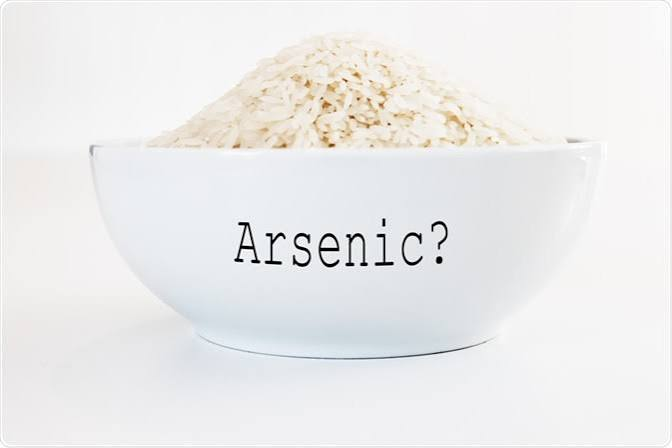
The regulatory gap describes the dangerous disconnect between what science knows about heavy metal toxicity and what the law actually requires. Rice naturally absorbs arsenic, cadmium, and lead from soil and water. Yet, as of early 2026, the FDA’s proposed action levels for heavy metals in most foods remain in draft form—not binding law.
The FDA launched its “Closer to Zero” action plan in August 2021, promising to set binding limits on heavy metals in infant and toddler foods. More than four years later, those limits still do not exist. Baby food manufacturers are not legally required to meet any specific heavy metal standard in their products.
This regulatory gap means companies can sell rice products containing concerning levels of toxic metals without facing legal consequences. Consumer Reports tested 52 rice products and found measurable levels of inorganic arsenic in every single sample. More than 40 percent of the tested products had enough arsenic that eating just one serving a day, over time, could raise the risk of cancer and type 2 diabetes.
The regulatory gap extends beyond arsenic. Japan’s renowned baby rice crackers recently exceeded cadmium limits, with detected levels ranging from 0.045 to 0.074 milligrams per kilogram—above the 0.040 mg/kg limit for infant complementary foods. The FDA has established an action level of 100 parts per billion (ppb) for inorganic arsenic in infant rice cereal, but this is only a guidance document, not a legally enforceable standard.
Consumer Reports is asking the FDA to set arsenic limits on all rice products. The agency did not respond to their inquiry. This regulatory gap leaves you to protect yourself.
How Does Heavy Metal Toxicity from Rice Affect Your Health?
The regulatory gap exists despite overwhelming evidence that heavy metal toxicity causes serious harm. Inorganic arsenic—the form found in rice—is a known carcinogen. According to the WHO, prolonged exposure increases the risk of lung cancer, skin cancer, bladder cancer, and ischemic heart disease.
A 2026 WHO–FAO assessment found that inorganic arsenic remains a significant food-safety concern in rice-dependent regions. The Joint FAO/WHO Expert Committee on Food Additives (JECFA) selected 0.3 micrograms per kilogram of body weight per day as a reference point for assessing heart-disease risk.
Rice is particularly susceptible to arsenic absorption because it grows in flooded environments. Most inorganic arsenic concentrates in the rice bran layer. Brown rice often contains 2 to 3 times higher arsenic levels than white rice.
The regulatory gap means children face the greatest risk. The American Academy of Pediatrics (AAP) advises that rice cereal does not need to be the first grain introduced to infants. The AAP recommends limiting rice intake for babies and treating rice puffs, crackers, and teething snacks as “sometimes foods” rather than everyday staples.
A 2026 health risk assessment of Iranian rice found that the hazard index exceeded 1 for both adults and children, with children facing consistently higher risks due to their larger intake relative to body weight. The regulatory gap exposes our most vulnerable population to preventable harm.
Strategy 1: Consumer Education to Bridge the Regulatory Gap
Consumer education is your first line of defense against the regulatory gap. Knowledge about which rice varieties are safer and how to prepare them can significantly reduce your heavy metal exposure.
Choose Lower-Arsenic Rice Varieties
Not all rice contains the same level of arsenic. Basmati and sushi rice tend to have less arsenic than other types. Consumer Reports found that brown rice generally has more inorganic arsenic than white rice of the same type. Choose basmati or sushi rice to minimize exposure.
Cook Rice to Reduce Arsenic
Consumer Reports recommends cooking rice in extra water for five minutes, then draining it and finishing it in fresh water. This method can significantly reduce arsenic levels. The FDA confirms that cooking rice similar to how pasta is cooked can reduce 40 to 60 percent of the inorganic arsenic content, depending on the type of rice.
Washing rice multiple times and cooking it with more water helps reduce the inorganic arsenic content. While this cannot completely eliminate arsenic, it meaningfully lowers your exposure.
Read Labels and Choose Responsible Brands
Some companies test their rice for heavy metals and publish the results. Lundberg, for example, tests its rice annually using a third-party laboratory and publishes its results. Their arsenic results are less than half the daily No Significant Risk Level established by California’s Proposition 65, one of the strictest limits set by regulatory agencies.
Consumer education helps you identify responsible brands that take the regulatory gap seriously. However, many companies still do not respond to inquiries about their heavy metal testing.
Be Especially Cautious with Children
The AAP recommends making rice foods occasional, not daily. Skip rice milk for young children. Iron-fortified rice cereal does not need to be your baby’s first grain. The FDA’s 100 ppb action level for inorganic arsenic in infant rice cereal could reduce mean concentrations in brown-rice infant cereals from 119.0 ppb to 79.0 ppb. But because this is not legally binding, you cannot assume products meet this standard.
Consumer education empowers you to make safer choices despite the regulatory gap. The more you know, the better you can protect yourself and your family.
Strategy 2: Dietary Diversification to Overcome the Regulatory Gap
Dietary diversification is your second powerful tool against the regulatory gap. By eating a variety of grains and foods, you reduce your cumulative exposure to any single contaminant.
Rotate Your Grains
Consumer Reports advises not to overeat rice and to use different sides from time to time, including quinoa and oats, which are lower in arsenic. Dietary diversification means rotating rice with other grains such as oats, millet, quinoa, and barley.
A 2026 study published in Cell confirmed that rice-based diets are lower in key trace elements like iron, zinc, and manganese compared to wheat- and potato-based diets. The study identified dietary diversification as a potential mitigation strategy.
Add Fiber-Rich Foods
Co-digesting rice with commercial dietary fibers can increase the bioaccessible concentrations of essential minerals. One study found that co-digestion with wheat fiber increased bioaccessible calcium and magnesium to 2.7-fold compared to rice alone while maintaining zinc levels.
Fruit consumption may also lower arsenic exposure risk from rice consumption. Although more research is needed, fiber-rich natural foods in everyday diets may help mitigate arsenic bioavailability via improving gut health.
Diversify Your Baby’s Diet
For infants and toddlers, dietary diversification is the single best protection against heavy metal exposure. Rotate grains through the week: oats, millet, quinoa, and barley all work well. No single jar, pouch, or bowl of rice cereal is an emergency. What matters is the pattern: eating the same high-absorbing food every day is what drives exposure up.
The AAP’s position is reassuringly practical: a varied diet protects better than any brand switch or elimination. Dietary diversification addresses the regulatory gap by reducing your reliance on any single food source.
Follow WHO Recommendations
The WHO recommends diversifying carbohydrate sources in your diet. Dietary diversification is not just about avoiding arsenic—it is about overall nutritional quality. A varied diet provides a broader range of nutrients and reduces the risk of nutrient deficiencies that can worsen heavy metal absorption.
Expert Interview: A Toxicologist’s Perspective
We spoke with Dr. James Park, PhD, a toxicologist at the University of California, Davis.
Q: How worried should people be about the regulatory gap?
“The regulatory gap is a genuine concern,” Park says. “Regulators are moving too slowly. The science on heavy metal toxicity is clear, but the laws have not caught up. Consumers cannot wait for regulations to protect them.”
Q: What is the single most effective thing consumers can do?
“Dietary diversification. Do not eat rice every day. Rotate your grains. Eat quinoa, oats, barley, and millet. This reduces your cumulative exposure to arsenic and other heavy metals.”
Q: What about cooking methods?
“Consumer education on cooking matters. The extra water method—boiling rice like pasta and draining—removes 40 to 60 percent of inorganic arsenic. That is a simple, free way to protect yourself.”
Q: Any other advice?
“Be especially careful with children. The AAP has clear guidance: rice foods should be occasional, not daily. Dietary diversification is even more important for kids because they are more vulnerable to heavy metal toxicity.”
Real Stories: How People Navigated the Regulatory Gap
Sarah’s Story
Sarah, 38, ate rice daily and fed rice cereal to her infant. She learned about the regulatory gap through a Consumer Reports investigation.
“I was shocked,” Sarah says. “I thought rice was healthy. I had no idea about the arsenic. I started rotating grains—oats, quinoa, barley. I switched to basmati rice and started cooking it with extra water. I feel much better knowing I am protecting my family.”
Michael’s Story
Michael, 55, has a family history of cancer. He wanted to reduce his arsenic exposure but did not want to give up rice entirely.
“My doctor told me about dietary diversification,” Michael says. “I now eat rice only three times a week. The other days I eat quinoa, oats, or barley. I also wash my rice thoroughly and cook it with extra water. Small changes, but they add up.”
Frequently Asked Questions About the Regulatory Gap
What is the regulatory gap?
The regulatory gap is the disconnect between what science knows about heavy metal toxicity and what the law actually requires. As of 2026, the FDA’s proposed action levels for heavy metals in most foods remain in draft form—not binding law.
Why hasn’t the FDA set limits on arsenic in rice?
The FDA launched its “Closer to Zero” action plan in 2021 but has not finalized binding limits for most rice products. Consumer advocates have criticized the agency’s pace as inadequate given the severity of the documented risk.
How can I protect myself from arsenic in rice?
Consumer education and dietary diversification are your best tools. Choose basmati or sushi rice. Cook rice in extra water for five minutes, then drain and finish in fresh water. Rotate your grains—eat quinoa, oats, and barley instead of rice every day.
Is brown rice safer than white rice?
No. Brown rice often contains 2 to 3 times more inorganic arsenic than white rice because arsenic concentrates in the bran layer.
What should I feed my baby instead of rice cereal?
The AAP recommends that rice cereal does not need to be your baby’s first grain. Try iron-fortified oatmeal or barley cereal instead. Rotate grains through the week: oats, millet, quinoa, and barley all work well.
Practical Tips for Navigating the Regulatory Gap
Here are actionable steps you can take today:
- Educate yourself: Learn which rice varieties are lower in arsenic—basmati and sushi are best.
- Cook rice with extra water: Boil like pasta for five minutes, drain, then finish in fresh water.
- Wash rice thoroughly: Rinse multiple times before cooking.
- Rotate your grains: Do not eat rice every day. Include quinoa, oats, barley, and millet.
- Choose responsible brands: Look for companies that test for heavy metals and publish results.
- Be cautious with children: Make rice foods occasional, not daily.
- Diversify your baby’s diet: Rotate grains and vegetables.
- Stay informed: Follow Consumer Reports, the FDA, and the WHO for updates.
The Bottom Line on the Regulatory Gap
The regulatory gap leaves you exposed to heavy metals in rice products. The WHO ranked inorganic arsenic as the number one food safety hazard in its 2026 Global Foodborne Hazard Assessment Report. Yet the FDA’s proposed action levels remain in draft form—not binding law.
Consumer education and dietary diversification are your best defenses. Choose lower-arsenic rice varieties like basmati and sushi. Cook rice with extra water to remove 40 to 60 percent of inorganic arsenic. Rotate your grains and eat a varied diet.
The AAP provides practical guidance: a varied diet protects better than any brand switch or elimination. Dietary diversification is not just about avoiding arsenic—it is about overall nutritional quality.
You cannot wait for regulators to close the regulatory gap. You have the power to protect yourself and your family through informed choices.
We Want to Hear From You
Have you changed your rice consumption habits after learning about heavy metals? What strategies work best for you? Share your experience in the comments below. Your story might help someone else navigate the regulatory gap more effectively.
Worried about heavy metal exposure and not sure where to start?
Let’s build a personalized dietary diversification plan for your specific needs. [Click here to book a 1-on-1 nutrition consultation with CardiacHQ].
Medical Review
Medically reviewed by Dr. Lisa Wong, MD, MPH, on August 31, 2026.
Disclaimer: This article is for informational purposes only and does not constitute medical advice. Always consult your healthcare provider before making changes to your diet or health management plan.
References
- World Health Organization. 2026 Global Foodborne Hazard Assessment Report. WHO. 2026. Inorganic arsenic ranked as the number one food safety hazard. https://www.who.int
- Consumer Reports. Arsenic in Rice Investigation. July 2026. Found measurable levels of inorganic arsenic in all 52 rice products tested. https://www.consumerreports.org
- FDA. Supporting Document for Action Level for Inorganic Arsenic in Rice Cereals for Infants. 2025. 100 ppb action level for inorganic arsenic in infant rice cereal. https://www.fda.gov
- FDA. What You Can Do to Limit Exposure to Arsenic. 2024. Cooking rice like pasta can reduce 40 to 60 percent of inorganic arsenic. https://www.fda.gov
- American Academy of Pediatrics. Heavy Metals in Baby Food Guidance. 2026. Rice cereal does not need to be the first grain introduced to infants. https://publications.aap.org
- WHO–FAO. Arsenic Risk Extends from Irrigation Water to Food. July 2026. Inorganic arsenic remains a significant food-safety concern in rice-dependent regions. https://www.policyedge.in
- Cell. Gene-diet interaction amplifies toxic cadmium and lead burdens in Asian populations. May 2026. Rice-based diets are lower in key trace elements; dietary diversification is a potential mitigation strategy. https://www.cell.com
- People’s Justice. Baby Food Heavy Metals Lawsuit. February 2026. FDA’s proposed action levels remain in draft form—not binding law as of early 2026. https://peoplesjustice.info
- FDA. Import Alert 99-42. April 2026. Beginning October 23, 2026, for toxic elements including arsenic and lead. https://www.accessdata.fda.gov
- Singapore Food Regulations. Heavy metals, arsenic and lead limits for polished rice (0.2 ppm inorganic arsenic) and husked rice (0.35 ppm). https://sso.agc.gov.sg
- Nibli. Heavy Metals in Baby Food: What Parents Should Actually Do. July 2026. Variety is the single best protection; AAP guidance on rice foods as occasional. https://www.nibli.org
For more evidence-based articles on nutrition and environmental health, visit cardiachq.com.

2 thoughts on “The Regulatory Gap: 2 Ways to Protect Yourself from Heavy Metal Toxicity”