White rice and celiac disease create a foundation for the only effective treatment available today. People with celiac disease must follow a strict lifelong gluten-free diet, and white rice serves as one of the safest staple foods for this condition. However, relying too heavily on white rice can lead to nutrient deficiencies that compromise your long-term health. This article explores two evidence-based strategies: choosing nutrient-dense gluten-free grains and using targeted supplementation. These approaches can help you thrive on a gluten-free diet while protecting your overall wellbeing.
Is White Rice Safe for People with Celiac Disease?
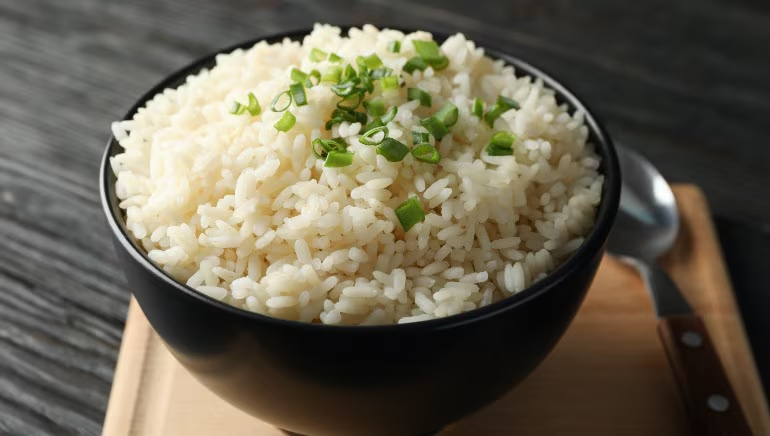
White rice and celiac disease have a straightforward relationship: all pure forms of rice are naturally 100% gluten-free. This includes white rice, brown rice, wild rice, basmati, jasmine, arborio, and parboiled varieties. The gluten protein that triggers the autoimmune response in celiac disease exists in wheat, barley, and rye—not in rice.
The gluten-free diet is the only accepted treatment for celiac disease. Doctors treat celiac disease by helping people follow a gluten-free diet. For most people, adhering to this diet will heal damage in the small intestine and prevent further damage. Many people see symptoms improve within days to weeks of starting the diet.
However, the gluten-free diet comes with hidden challenges. White rice and celiac disease are often paired so frequently that rice becomes the dominant grain in the diet. This over-reliance creates nutritional gaps that can affect your health over time.
The Hidden Risk: Rice Over-Reliance: White Rice and Celiac Disease
White rice and celiac disease create a dietary pattern that can lead to nutrient deficiencies. Gluten-free diets are often characterized by an inadequate intake of nutrients and are generally monotonous for the limited number of products celiac patients can use. As rice is the most used cereal by celiac consumers, studying rice varieties’ nutritional characteristics is of interest to manage diet quality and variety.
A standard gluten-free diet is often based on rice, potato, and other starches which have lower levels of natural iron compared to gluten-containing grains and products. This means that while white rice and celiac disease are a safe combination, they are not always a nutritionally complete one.
Strategy 1: Choose Nutrient-Dense Gluten-Free Grains
White rice and celiac disease management improve dramatically when you diversify your grain choices. Instead of relying solely on white rice, incorporate a variety of nutrient-dense gluten-free grains into your diet.
Why Diversity Matters
Gluten-free diets are commonly associated with low fiber, iron, folate, and B-vitamin intake, particularly when refined, non-fortified products predominate. A balanced gluten-free diet should be based on a combination of naturally gluten-free foods and certified processed gluten-free products.
The gluten-free diet has been associated with lower intake of fiber, as well as vitamin and micronutrient deficiencies, and a higher intake of calories, simple carbohydrates, and saturated fats. Patients with celiac disease are also at risk of becoming overweight or obese.
White rice and celiac disease should not mean white rice only. Diversifying your grains provides more nutrients and reduces the risk of deficiencies.
Best Nutrient-Dense Gluten-Free Grains: White Rice and Celiac Disease
Here are excellent alternatives to include alongside white rice:
- Quinoa: A complete protein with all essential amino acids
- Brown rice: More fiber, B vitamins, and minerals than white rice
- Millet: Rich in magnesium, phosphorus, and B vitamins
- Buckwheat: High in fiber and antioxidants (despite the name, it is gluten-free)
- Amaranth: Contains more protein than most grains and is rich in calcium
- Sorghum: High in fiber and antioxidants
- Oats: Gluten-free oats are recommended for their nutrition benefits, including soluble fiber, polyunsaturated oil, vitamin B complex, and iron
Gluten-free oats are recommended in the diet for their nutrition benefits. However, ensure you choose oats specifically labelled gluten-free to avoid cross-contamination.
Practical Tips for Grain Diversification
- Mix grains: Combine white rice with quinoa, millet, or brown rice
- Try ancient grains: Experiment with amaranth, buckwheat, or sorghum
- Use different flours: Rotate rice flour with almond, coconut, or quinoa flour
- Add legumes: Beans, lentils, and chickpeas provide protein and fiber
- Fill half your plate with vegetables: This naturally increases nutrient intake
Strategy 2: Use Targeted Supplementation
White rice and celiac disease management require attention to nutritional gaps that the diet alone cannot fill. Supplementation is not optional for many patients—it is essential.
Common Nutrient Deficiencies in Celiac Disease
Patients should be checked for common deficiencies including iron, vitamin D, vitamin B12, and folate. Deficiencies of these vitamins and minerals are more common in people with celiac disease compared with the general population.
Key deficiencies include:
- Iron: Iron deficiency is common in celiac disease, impacting at least 10% of newly diagnosed individuals. Iron deficiency anemia was the most common micronutrient deficiency in children with celiac disease. A standard gluten-free diet often does not provide enough iron.
- Vitamin B12 and Folate: The gluten-free diet may be low in folate. These nutrients are also part of the pathway to excrete arsenic from the body, making their deficiency particularly concerning for people on rice-heavy gluten-free diets.
- Calcium and Vitamin D: All patients with celiac disease should be recommended to take calcium and vitamin D supplements. A gluten-free diet improves bone mineral density, but calcium and vitamin D supplementation seems to increase bone mineral density further.
- Fiber: The gluten-free diet is usually low in fiber.
What the Research Says About Supplementation
A 2026 study on managing bone health in pediatric celiac disease found that all patients received standardized vitamin D (400-2,000 IU/day based on their deficiency status) and calcium supplementation (age-appropriate daily intake 800-1,300 mg/day).
Iron should only be given to individuals with iron deficiency. Vitamin B12 and folate deficiencies should be corrected.
A 2026 review found that gluten-free diets were commonly associated with low fiber, iron, folate, and B-vitamin intake, particularly when refined, non-fortified products predominated.
Supplementation Guidelines
Work with your healthcare provider to determine your specific needs. General recommendations include:
- Iron: Only if deficient; monitor levels regularly
- Vitamin B12: Correct deficiencies, especially since the gluten-free diet may be low in folate
- Folate: Address deficiencies, particularly because the gluten-free diet may be low in folate
- Calcium and Vitamin D: Recommended for all patients
- Fiber: Increase through food sources or consider supplementation
The Arsenic Connection
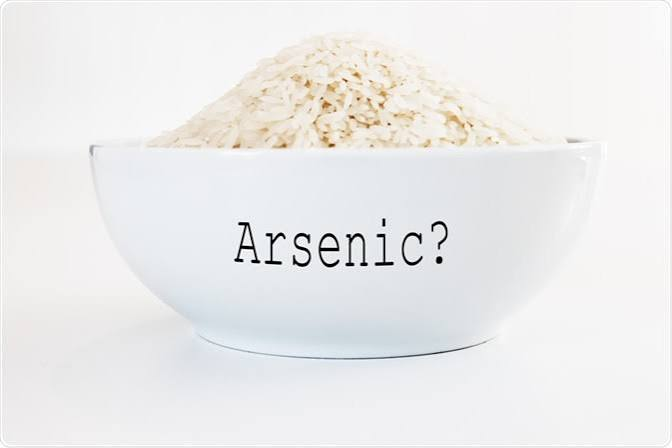
White rice and celiac disease have an additional concern: arsenic exposure. Rice, the most common gluten-free substitute grain, naturally bioaccumulates inorganic arsenic. Chronic arsenic exposure may affect neurodevelopment, increase risk of cardiovascular disease, and cause kidney damage.
In a prior prospective cohort study, researchers demonstrated that urine arsenic levels increased 2-3 times in newly diagnosed children 6 months after adoption of a gluten-free diet. This is likely a consequence of both impaired absorption of vitamin B12 and folate in the small intestine (both nutrients are part of the pathway to excrete arsenic from the body) and increased ingestion of rice products on a gluten-free diet.
This makes supplementation with B12 and folate even more critical for people following a gluten-free diet heavy in rice.
Expert Interview: A Dietitian’s Perspective
We spoke with Dr. Maria Santos, PhD, RD, a registered dietitian specializing in celiac disease at the University of California, Davis.
Q: Is white rice safe for people with celiac disease?
“Yes, absolutely,” Santos says. “White rice and celiac disease are a safe combination. All pure rice is naturally gluten-free. The concern is not safety—it’s nutrition.”
Q: What is the biggest mistake people make with white rice and celiac disease?
“Relying too heavily on white rice. White rice and celiac disease should not mean white rice only. People eat rice at every meal and miss out on other nutrients. The gluten-free diet is often based on rice, potato, and other starches which have lower levels of natural iron compared to gluten-containing grains.”
Q: What is the single most effective change?
“Diversify your grains. White rice and celiac disease management improve when you add quinoa, millet, buckwheat, and gluten-free oats. Also, work with your doctor on supplementation. Iron, vitamin D, vitamin B12, and folate deficiencies are common.”
Q: Any other advice?
“Don’t start a gluten-free diet before testing for celiac. Doing so will make it difficult for a specialist to diagnose celiac down the road. And remember that white rice and celiac disease are just one part of your overall health picture. Focus on a balanced, varied diet.”
Real Stories: How People Thrived with White Rice and Celiac Disease
Sarah’s Story
Sarah, 34, was diagnosed with celiac disease three years ago. She immediately switched to a gluten-free diet based heavily on white rice.
“I thought white rice and celiac disease meant I could just eat rice and be fine,” Sarah says. “But I felt tired all the time. My blood tests showed iron deficiency and low vitamin D.”
Sarah worked with a dietitian who recommended grain diversification and supplementation.
“I started mixing quinoa with my rice. I added gluten-free oats for breakfast. I take iron, vitamin D, and B12 supplements. Within three months, my energy returned and my blood work improved significantly.”
Michael’s Story
Michael, 52, has had celiac disease for over a decade. He relied on white rice and gluten-free processed foods.
“My doctor warned me about nutrient deficiencies,” Michael says. “I switched to a more varied diet with millet, buckwheat, and amaranth. I also started taking calcium and vitamin D supplements. My bone density improved and I feel much healthier.”
Frequently Asked Questions About White Rice and Celiac Disease
Is white rice gluten-free?
Yes. All pure forms of rice—white, brown, wild, basmati, jasmine, arborio—are naturally 100% gluten-free.
Can people with celiac disease eat white rice every day?
Yes, white rice is safe. However, white rice and celiac disease management require variety. Relying too heavily on white rice can lead to nutrient deficiencies.
What nutrients are missing in a gluten-free diet?
Gluten-free diets are commonly associated with low fiber, iron, folate, and B-vitamin intake. Common deficiencies include iron, vitamin D, vitamin B12, folate, calcium, and zinc.
Do I need supplements with a gluten-free diet?
Many people with celiac disease need supplements. All patients should be recommended to take calcium and vitamin D supplements. Iron, B12, and folate should be corrected if deficient.
Is brown rice better than white rice for celiac disease?
Brown rice contains more fiber, B vitamins, and minerals than white rice. However, brown rice also contains more arsenic because arsenic concentrates in the bran layer. Both are safe; choose based on your nutritional needs and arsenic concerns.
Practical Tips for Managing White Rice and Celiac Disease
Here are actionable steps you can take today:
- Diversify your grains: Don’t rely only on white rice. Add quinoa, millet, buckwheat, and gluten-free oats.
- Get tested for deficiencies: Ask your doctor to check iron, vitamin D, vitamin B12, folate, and calcium.
- Consider supplementation: Take calcium and vitamin D supplements as recommended.
- Eat a varied diet: Include vegetables, fruits, legumes, nuts, seeds, and lean proteins.
- Choose fortified products: Look for gluten-free products fortified with vitamins and minerals.
- Monitor your arsenic exposure: Diversify your grains to reduce rice consumption and arsenic exposure.
- Work with a dietitian: A registered dietitian can help you design a balanced gluten-free diet.
- Don’t start the diet before testing: Get a proper diagnosis before starting a gluten-free diet.
The Bottom Line on White Rice and Celiac Disease
White rice and celiac disease are a safe and essential combination. White rice is naturally gluten-free and provides a reliable staple for people who must avoid wheat, barley, and rye. The gluten-free diet is the only effective treatment for celiac disease.
However, white rice and celiac disease require more than just avoiding gluten. The gluten-free diet has been associated with lower intake of fiber, iron, folate, and B vitamins. Over-reliance on white rice can lead to nutrient deficiencies that affect your energy, bone health, and overall wellbeing.
The two strategies covered in this article—choosing nutrient-dense gluten-free grains and using targeted supplementation—give you practical tools for better health. Diversify your grains beyond white rice. Work with your healthcare provider to identify and correct nutrient deficiencies. These small changes can make a significant difference in your long-term health.
You do not need to give up white rice. You need to be smarter about how you build your overall gluten-free diet.
We Want to Hear From You
Have you experienced nutrient deficiencies on a gluten-free diet? What strategies have worked best for you? Share your experience in the comments below. Your story might help someone else manage their white rice and celiac disease more effectively.
Struggling to balance your gluten-free lifestyle with nutritional needs?
Let’s build a personalized meal plan for your specific needs. [Click here to book a 1-on-1 nutrition consultation with CardiacHQ].
Medical Review
Medically reviewed by Dr. Lisa Wong, MD, MPH, on August 31, 2026.
Disclaimer: This article is for informational purposes only and does not constitute medical advice. Always consult your healthcare provider before making changes to your diet or health management plan.
References
- National Institute of Diabetes and Digestive and Kidney Diseases (NIDDK). Treatment for Celiac Disease. 2026. Doctors treat celiac disease by helping people to follow a gluten-free diet. https://www.niddk.nih.gov/health-information/digestive-diseases/celiac-disease/treatment
- BMJ Best Practice. Coeliac Disease – Approach. 2026. The only accepted treatment is a strict lifelong gluten-free diet; patients should be checked for iron, vitamin D, vitamin B12, and folate deficiencies. https://bestpractice.bmj.com/topics/en-gb/636/management-approach
- ClinicalTrials.gov. GF-NOURISH Study (NCT06356220). 2026. Rice, the most common gluten-free substitute grain, naturally bioaccumulates inorganic arsenic. https://clinicaltrials.gov/study/NCT06356220
- PubMed. Nutritional Properties of Rice Varieties Commonly Consumed in Italy and Applicability in Gluten Free Diet. 2021. Gluten-free diets are often characterized by inadequate nutrient intake. https://pubmed.ncbi.nlm.nih.gov/
- PubMed. Ironing Out the Deficiency: Tracking Iron in Celiac Disease Before and After the Gluten-Free Diet. 2026. Iron deficiency impacts at least 10% of newly diagnosed individuals. https://pubmed.ncbi.nlm.nih.gov/
- Journal of Pediatric Research. Managing Bone Health in Pediatric Celiac Disease: Effects of a Gluten-free Diet and Calcium-vitamin D Therapy. 2026. Vitamin D (400-2,000 IU/day) and calcium supplementation (800-1,300 mg/day). https://jpedres.org
- MDPI Children. Laboratory Monitoring of Nutritional Deficiencies in Children Following Restrictive Diets: A Narrative Review. 2026. Gluten-free diets associated with low fiber, iron, folate, and B-vitamin intake. https://www.mdpi.com
- AAP Publications. Best Practices for Celiac Disease. 2016. Pediatricians should not put children on gluten-free diets before testing for celiac. https://publications.aap.org
- HealthTranslations Victoria. Guide for People with Coeliac Disease. 2026. Explains how gluten damages the small intestine and outlines safe food choices including rice. https://www.healthtranslations.vic.gov.au
- Celiac Disease Foundation. Arsenic and the Gluten-Free Diet. Rice is usually the dominant grain for people on a gluten-free diet. https://celiac.org
- PubMed. The role of various cereals in coeliac disease. 1978. Maize and rice are harmless for coeliac subjects. https://pubmed.ncbi.nlm.nih.gov/
- World Health Organization. Celiac disease requires lifelong gluten-free diet. https://www.who.int
For more evidence-based articles on nutrition and digestive health, visit cardiachq.com.
One thought on “White Rice and Celiac Disease: 2 Ways to Build a Healthier Gluten-Free Diet”