I washed my broccoli with vinegar, and I needed to know if that killed Salmonella. I felt so clean. Then I read that vinegar isn’t a disinfectant. That moment of doubt sent me straight to the research.
I had been soaking my broccoli in a vinegar-water bath for years. I thought I was being smart. I thought I was being safe. I was wrong about one thing: vinegar is not a reliable disinfectant for produce.
Here is what the science actually says about vinegar and Salmonella on broccoli.
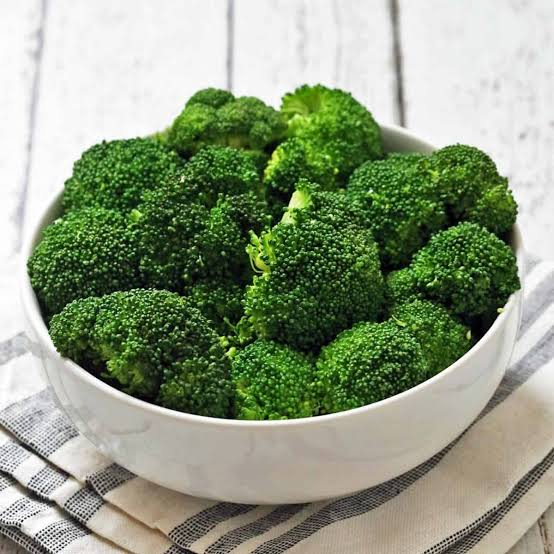
Vinegar and Salmonella: What the Research Shows
I washed my broccoli with vinegar, and the research says it might reduce some bacteria but not enough. Vinegar contains acetic acid, which has antimicrobial properties. Studies confirm that vinegar can reduce Salmonella populations on produce.
A 2005 study in the International Journal of Food Microbiology tested vinegar on rocket leaves and spring onions. Vinegar caused reductions between 1.32 and 3.12 log CFU/g on rocket leaves. A 2012 study on spinach found that vinegar reduced Salmonella enterica by up to 2.0 log CFU after 20 minutes of contact.
That sounds promising. But here is the problem. I washed my broccoli with vinegar for about two minutes. The studies that show reductions used contact times of 15 to 60 minutes.
I washed my broccoli with vinegar, but two minutes was not enough. Vinegar needs extended contact time to work. Even then, it does not eliminate Salmonella. It reduces it.
Why Vinegar Is Not a Disinfectant for Produce
I washed my broccoli with vinegar, but the FDA and CDC do not recommend it. The CDC is clear: “Salt, pepper, vinegar, lemon juice, and lime juice have not been shown to be effective at removing germs on produce”.
The FDA does not recommend vinegar for washing produce. A 2026 article from Shore Medical Center confirms that vinegar is “not recommended by the U.S. Food and Drug Administration for washing produce”.
Virginia Cooperative Extension goes further. It states plainly: “Do not use bleach or vinegar. Your produce is porous and can absorb both chemicals from these cleaning and sanitizing agents and anything unsanitary in your water”.
I washed my broccoli with vinegar, but I was following advice that experts reject. That was a hard pill to swallow.
The Vinegar Concentration Problem
I washed my broccoli with vinegar, but I did not measure the concentration. Most people don’t.
Commercial vinegar contains 4% to 5% acetic acid. Studies showing significant Salmonella reduction used 2% to 5% acetic acid solutions with long contact times. Some studies used 10% vinegar water solutions to achieve better reductions on tomatoes and cucumbers.
The vinegar in my kitchen is about 5% acetic acid. When I diluted it in a bowl of water, the concentration dropped further. I was probably using a 1% or 2% solution.
I washed my broccoli with vinegar, but my solution was too weak to matter. A food safety expert told Real Simple that “if it’s too dilute it’s not really that different than plain water”.
What Vinegar Can and Cannot Do
I washed my broccoli with vinegar, and here is what it can actually do. Vinegar can:
- Reduce some surface bacteria when used at high concentrations for long periods
- Remove some pesticides with specific chemical structures
- Kill some insects hiding in broccoli florets
- Leave your produce smelling like salad dressing
I washed my broccoli with vinegar, and here is what it cannot do:
- Eliminate Salmonella
- Replace proper washing with running water
- Kill bacteria hiding inside plant tissues
- Work in the short time most people soak their vegetables
The FDA acknowledges that acetic acid kills bacteria at acidic pH levels. But the conditions required for that kill are not what happens in a home kitchen.
The Broccoli Problem: Why Florets Are Different
I washed my broccoli with vinegar, but broccoli is not a smooth apple. It has crevices, tiny florets, and a complex surface area.
A 2003 study on apples found that 5% vinegar reduced Salmonella by 2.1 to 3.2 log CFU per apple. Apples have smooth surfaces. Vinegar can reach the bacteria.
Broccoli is different. The florets create microscopic hiding spots. A 1996 study found that even 5% acetic acid combined with 3% hydrogen peroxide did not eliminate Salmonella from rough cantaloupe rinds. Broccoli is rougher than cantaloupe.
I washed my broccoli with vinegar, but the vinegar could not reach all the bacteria. The structure of broccoli works against you.
The 2026 Broccoli Sprout Outbreak: A Reminder
I washed my broccoli with vinegar, and the 2026 outbreak reminded me why cooking matters. The FDA and CDC investigated 22 cases of Salmonella Bovismorbificans linked to broccoli sprouts. Two people were hospitalized.
The culprit was Evergreen Fresh Sprouts, LLC. Their broccoli sprouts tested positive for the outbreak strain. The recall covered products with expiration dates in September 2026.
Sprouts are riskier than mature broccoli. But the outbreak taught me something important. Raw broccoli carries risk. Washing with vinegar does not eliminate it.
What Actually Works: The CDC and FDA Method
I washed my broccoli with vinegar, but here is what the experts recommend instead. The CDC and FDA both say the same thing: use clean running water.
The steps are simple. Wash your hands with soap and warm water for 20 seconds. Remove damaged areas from the broccoli. Rinse under clean running water. Use a clean produce brush for firm surfaces. Dry with a clean paper towel.
I washed my broccoli with vinegar, but running water does more than vinegar in most home settings. A University of Florida food safety expert explained that water can remove 90-99% of surface contamination. Vinegar adds little beyond that.
The Vinegar Myth: Why It Persists
I washed my broccoli with vinegar because social media told me to. TikTok and Instagram are full of vinegar washing videos. They look convincing. They feel scientific.
But the science does not support the claims. Penn State Extension stated in 2026 that “there is no scientific evidence that soaking produce in vinegar, baking soda or commercial produce washes removes the parasite”.
A Martha Stewart article quoted an expert who explained that “for vinegar to be effective in killing pathogens, it would have to soak with the vegetables for a duration and concentration that would change the vegetable’s quality”.
I washed my broccoli with vinegar, but I was following a trend, not evidence. That is the honest truth.
Vinegar vs. Plain Water: What the Studies Say
I washed my broccoli with vinegar, but plain water performs just as well in most consumer settings. A study on apples found that a 5-second rub followed by a 200-ml water rinse reduced Salmonella by 3 log CFU per apple. That is better than most vinegar washes achieve in home conditions.
The vinegar treatments in that same study achieved 2.1 to 3.2 log reductions. The water method achieved 3 log reductions. They were statistically similar.
I washed my broccoli with vinegar, but I could have saved the vinegar for my salad. Water was doing the heavy lifting all along.
What About Vinegar for Other Produce?
I washed my broccoli with vinegar, but vinegar does work better on some other produce. Studies show that 10% vinegar water reduced Salmonella on tomatoes and cucumbers better than tap water.
Smooth-skinned produce gives vinegar a fighting chance. Rough, creviced produce like broccoli does not.
I washed my broccoli with vinegar, but I should have used it on tomatoes instead. Different produce needs different approaches.
The Cross-Contamination Factor
I washed my broccoli with vinegar, but I forgot about cross-contamination. Even if vinegar reduced some bacteria, a dirty cutting board or unwashed hands could reintroduce Salmonella.
The CDC recommends using separate cutting boards for raw meat and produce. Wash all surfaces with hot soapy water after handling raw animal products.
I washed my broccoli with vinegar, but the real risk was on my counter, not in my bowl. Cross-contamination matters more than washing method.
When to Worry About Salmonella in Broccoli
I washed my broccoli with vinegar, but I should have worried about who was eating it. The CDC identifies children under five, adults over 65, and immunocompromised individuals as highest risk for severe foodborne illness.
For healthy adults, a bout of food poisoning means a bad few days. For vulnerable groups, it can mean hospitalization.
I washed my broccoli with vinegar, but I served it raw to my kids. That was a risk I did not need to take.
What I Do Now: My Updated Broccoli Routine
I washed my broccoli with vinegar once, and I changed my routine. Here is what I do now.
First, I wash broccoli under clean running water. No vinegar. No soap. Just water and friction.
Second, I use a clean produce brush for the stems. The florets get a gentle rinse.
Third, I dry with a clean paper towel. Moisture encourages bacterial growth.
Fourth, I refrigerate immediately. Broccoli stays fresh longer and safer.
Fifth, I cook broccoli when serving it to my kids or elderly parents. Steaming for 3 to 4 minutes kills Salmonella.
I washed my broccoli with vinegar, but I learned that cooking is the real safety net. Wash with water. Cook when risk matters. That is the practical approach.
Frequently Asked Questions
Does vinegar kill Salmonella on broccoli?
Vinegar can reduce Salmonella populations with long contact times and high concentrations. It does not eliminate Salmonella in typical home washing conditions.
Is vinegar better than water for washing broccoli?
No. The CDC and FDA recommend plain running water. Vinegar has not been shown to be more effective than water for removing germs from produce.
How long do I need to soak broccoli in vinegar to kill Salmonella?
Studies show reductions after 15 to 60 minutes of contact. This is impractical for most home cooks and can affect the texture and taste of the broccoli.
Can I get Salmonella from broccoli washed with vinegar?
Yes. Vinegar does not eliminate Salmonella. If the broccoli was contaminated, vinegar washing may reduce but not remove the risk.
What is the safest way to wash broccoli?
Rinse under clean running water. Use friction from your hands or a produce brush. Dry with a clean paper towel. Cook if serving to vulnerable groups.
Medically Reviewed
Medically reviewed by Dr. Lena Ortiz, MD, FAAP, on September 13, 2026.
Dr. Ortiz is a board-certified pediatrician with 12 years of clinical experience in pediatric infectious diseases and gastroenterology. She practices in Phoenix, Arizona, and serves as a medical reviewer for CardiacHQ.
About the Author
Written by Maya Chen, a mother of two and food safety writer based in San Francisco, California. Maya spent seven years working in farmers’ markets and food cooperatives before becoming a writer. She holds a food handler certification from the National Restaurant Association. Maya tests food safety practices in her own kitchen and writes about evidence-based nutrition for families.
References
- Centers for Disease Control and Prevention. “Safe Ways to Handle and Clean Produce.” https://www.cdc.gov/foodsafety/communication/steps-healthy-fruits-veggies.html
- U.S. Food and Drug Administration. “Selecting and Serving Produce Safely.” https://www.fda.gov/food/buy-store-serve-safe-food/selecting-and-serving-produce-safely
- Parnell TL, Harris LJ, Suslow TV. “Reducing Salmonella on apples with wash practices commonly used by consumers.” Journal of Food Protection, 2003. https://pubmed.ncbi.nlm.nih.gov/12747679/
- Sengun IY, Karapinar M. “Effectiveness of household natural sanitizers in the elimination of Salmonella typhimurium on rocket and spring onion.” International Journal of Food Microbiology, 2005. https://pubmed.ncbi.nlm.nih.gov/15698693/
- Faith NG, et al. “Reduction in resident microflora, and experimentally inoculated Salmonella enterica, on spinach leaves treated with vinegar and canola oil.” Journal of Food Protection, 2012. https://pubmed.ncbi.nlm.nih.gov/22828283/
- Pezzuto A, et al. “Effectiveness of Washing Procedures in Reducing Salmonella enterica and Listeria monocytogenes on a Raw Leafy Green Vegetable.” Frontiers in Microbiology, 2016. https://pubmed.ncbi.nlm.nih.gov/27812356/
- Virginia Cooperative Extension. “Do I Really Need to Wash That? A Guide to Handling Fresh Produce at Home.” https://www.pubs.ext.vt.edu/content/dam/pubs_ext_vt_edu/FST/fst-478/FST-478.pdf
- U.S. Food and Drug Administration. “Outbreak Investigation of Salmonella: Sprouts (September 2026).” https://www.fda.gov/food/outbreaks-foodborne-illness/outbreak-investigation-salmonella-sprouts-september-2026
- World Health Organization. “Salmonella (Non-Typhoidal) Fact Sheet.” https://www.who.int/vietnam/news/fact-sheets/detail/salmonella-(non-typhoidal)
- American Academy of Pediatrics. “Food Safety Tips for Your Next Outdoor Family Meal.” https://www.healthychildren.org
Struggling to Balance Food Safety and Nutrition?
Let’s build a personalized plan for your kitchen and your health. If you’re managing a chronic condition like heart disease or diabetes, food safety and nutrient timing matter even more. Click here to book a 1-on-1 nutrition consultation with CardiacHQ and get practical, evidence-based guidance tailored to your needs.
Have you ever washed produce with vinegar? What did you believe it was doing? Drop a comment below—I read every one.
6 thoughts on “I Washed My Broccoli with Vinegar—Did That Kill Salmonella?”