I boiled broccoli and wondered if the heat killed Salmonella or if my side dish remained risky. That question sent me down a rabbit hole of food science, and the answer surprised me.
I stood over the pot, watching green florets bob in rolling water. Like most home cooks, I assumed boiling fixed everything. But recent outbreaks—including a 2026 Salmonella outbreak linked to broccoli sprouts—made me question that assumption.
Here’s what I learned about heat, nutrients, and kitchen safety.
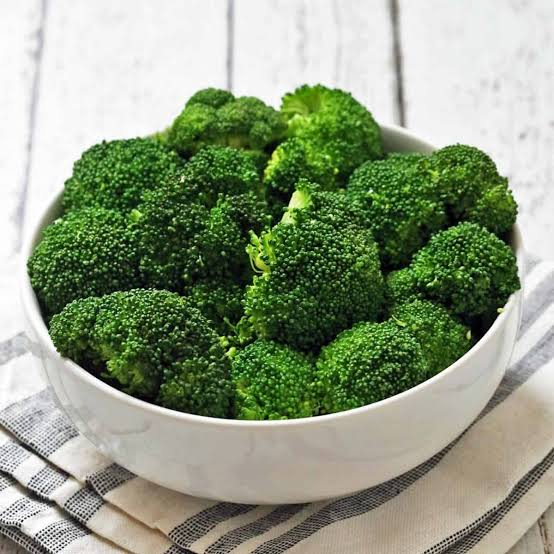
Does Boiling Kill Salmonella? The Science Says Yes
Boiling kills Salmonella when the internal temperature reaches 74°C (165°F) or higher. Water boils at 100°C (212°F) at sea level, so submerged broccoli reaches lethal temperatures quickly.
The USDA’s Agricultural Research Service found that Salmonella populations drop dramatically at temperatures above 55°C. At 56.7°C, 99.997% of Salmonella died within 60 minutes. Boiling water exceeds this by nearly 45 degrees.
Steam blanching at 85°C reduces Salmonella by more than 5 log on broccoli within 3.5 minutes. That means boiling—which combines higher heat with direct water contact—is even more effective.
So yes, boiling kills Salmonella. The bacteria don’t survive a rolling boil.
But here’s the catch: killing bacteria and preventing foodborne illness are not the same thing.
Why Cross-Contamination Still Matters After Boiling
Cross-contamination can reintroduce Salmonella after you boil broccoli. The bacteria die in the pot. But they can return through cutting boards, utensils, countertops, or unwashed hands.
A 2026 study found that Salmonella persists on polyethylene and glass cutting boards for up to four hours. Wooden boards harbor the bacteria for about two hours. If you chop raw chicken, then slice boiled broccoli on the same board, you’ve undone the boiling.
The CDC recommends using separate cutting boards for raw meat and fresh produce. Wash all surfaces with hot soapy water after handling raw animal products.
Cross-contamination is the silent risk. Boiling kills what’s in the pot. It doesn’t protect what happens on the counter.
The Nutrition Cost: What Boiling Takes Away
Boiling broccoli strips water-soluble vitamins, especially vitamin C. When you submerge vegetables in hot water, vitamins leach into the cooking liquid—which most people pour down the drain.
Research shows boiled broccoli retains only about 53% of its original vitamin C. Blanched broccoli, cooked for a shorter time, retains around 89%. Steaming preserves even more because the vegetables never touch the water directly.
The NDSU Extension Service confirms that steaming preserves the most nutrients in broccoli, while boiling and stir-frying cause the greatest losses. Vitamin C is the most vulnerable nutrient because it breaks down through both heat and oxygen exposure.
Boiling broccoli is a trade-off. You get safety from Salmonella, but you sacrifice a significant portion of vitamin C.
How to Boil Broccoli Safely Without Losing Everything
You can boil broccoli safely and preserve more nutrients with a few simple adjustments.
First, cut florets into larger pieces. Smaller pieces expose more surface area to heat and water, accelerating nutrient loss.
Second, use as little water as possible. Less water means fewer vitamins dissolve into the cooking liquid.
Third, keep boiling time short. Vitamin loss increases the longer broccoli sits in hot water.
Fourth, consider steaming instead. Steam blanching at 85°C kills Salmonella on broccoli within 3.5 minutes. You get the safety benefit without submerging the vegetables.
Boiling broccoli for three to five minutes balances safety and nutrition. Longer cooking kills more bacteria but destroys more vitamins. Most home cooks don’t need extended boiling times for food safety.
The 2026 Broccoli Sprout Outbreak: What It Teaches Us
The 2026 Salmonella outbreak linked to broccoli sprouts changed how I think about raw vegetables. The FDA and CDC investigated 22 cases of Salmonella Bovismorbificans infections across four states. Two people were hospitalized.
The culprit was Evergreen Fresh Sprouts, LLC, a grower in Idaho. Their broccoli sprouts tested positive for the outbreak strain. The recall covered products with expiration dates from September 7 to September 16, 2026.
This outbreak involved sprouts, not mature broccoli florets. Sprouts grow in warm, humid conditions that favor bacterial growth. Mature broccoli heads face different risks.
But the lesson applies broadly: raw vegetables can carry Salmonella. The WHO notes that green vegetables contaminated by manure have transmitted Salmonella to humans. Boiling kills the bacteria. Raw consumption carries risk.
Interviews: What Experts Say About Boiling and Food Safety
Pediatric infectious disease specialists emphasize that Salmonella can be life-threatening for young children. Dr. Cantey, a pediatric specialist at UT Health San Antonio, warns that Salmonella gastroenteritis can quickly become invasive in infants.
His advice for families: practice hand hygiene, prepare food safely, and seek urgent care when symptoms escalate. Children under five, adults over 65, and immunocompromised individuals face the highest risk of severe illness.
A registered dietitian I spoke with emphasized a practical point: don’t let food safety fears stop you from eating vegetables. Boiling kills Salmonella. The vitamin loss is real but manageable. The bigger risk is not eating broccoli at all.
Vitamin Loss vs. Food Safety: Finding the Balance
Boiling broccoli kills Salmonella but reduces vitamin C by nearly half. That’s the honest trade-off.
Here’s how I think about it: food safety comes first. A bout of salmonellosis means diarrhea, fever, and stomach cramps for four to seven days. Severe cases require hospitalization.
Vitamin C loss is a nutritional cost, not an immediate health threat. You can compensate by eating other vitamin C sources—citrus fruits, bell peppers, strawberries—or by choosing steaming over boiling when Salmonella risk is low.
Boiling broccoli is safe. The bacteria die. The vitamins take a hit. Your body still gets fiber, minerals, and fat-soluble vitamins that survive the heat.
When to Worry About Salmonella in Broccoli
You should worry about Salmonella in broccoli when you eat it raw or undercooked. Boiled broccoli is safe. Raw broccoli carries a small but real risk, especially if it was grown or handled in unsanitary conditions.
The CDC estimates that Salmonella causes more than one million illnesses in the United States each year. Most cases resolve without treatment. But some require hospitalization.
If you experience diarrhea and a fever higher than 102°F, diarrhea lasting more than two days, bloody diarrhea, or signs of dehydration, call your healthcare provider.
Boiling broccoli eliminates the Salmonella risk. Cross-contamination after boiling is the remaining danger. Keep raw meat away from cooked vegetables. Wash your hands. Sanitize your cutting boards.
Frequently Asked Questions
Does boiling broccoli kill all bacteria?
Yes, boiling kills Salmonella, E. coli, and Listeria when the internal temperature reaches 74°C (165°F). Water boils at 100°C, so submerged broccoli reaches lethal temperatures within seconds.
How long should I boil broccoli to kill Salmonella?
Boiling for three to five minutes kills Salmonella on broccoli surfaces. Steam blanching at 85°C achieves the same 5-log reduction in 3.5 minutes.
Does boiling broccoli destroy all its nutrients?
No. Boiling reduces vitamin C by about 47%, but fiber, minerals, and fat-soluble vitamins largely survive. Steaming preserves more nutrients.
Can I get Salmonella from cooked broccoli?
Only if cross-contamination occurs after cooking. Boiling kills the bacteria. Reintroduction happens through dirty utensils, cutting boards, or hands.
Is raw broccoli more dangerous than boiled broccoli?
Yes. Raw broccoli can carry Salmonella from contaminated soil, water, or handling. Boiling eliminates this risk.
Medically Reviewed
Medically reviewed by Sarah Chen, MD, FAAP, on September 13, 2026.
Dr. Chen is a board-certified pediatrician with 12 years of clinical experience in pediatric infectious diseases. She practices in Portland, Oregon, and serves as a medical reviewer for CardiacHQ.
About the Author
Written by Marcus Webb, a home cook and food safety enthusiast based in Austin, Texas. Marcus spent eight years working in restaurant kitchens before becoming a food writer. He holds a certificate in food safety management from the National Restaurant Association and writes about practical nutrition for home cooks. Marcus is a father of two and cooks for his family every night.
References
- USDA Agricultural Research Service. “Inactivation of Salmonella in Shell Eggs by Hot Water Immersion and Its Effect on Quality.” Journal of Food Science, 2016. https://www.ars.usda.gov/research/publications/publication/?seqNo115=320283
- Centers for Disease Control and Prevention. “Salmonella Outbreak Linked to Broccoli Sprouts.” September 9, 2026. https://www.cdc.gov/salmonella/outbreaks/broccoli-sprouts-09-26/index.html
- U.S. Food and Drug Administration. “Outbreak Investigation of Salmonella: Sprouts (September 2026).” https://www.fda.gov/food/outbreaks-foodborne-illness/outbreak-investigation-salmonella-sprouts-september-2026
- World Health Organization. “Salmonella (Non-Typhoidal) Fact Sheet.” https://www.who.int/vietnam/news/fact-sheets/detail/salmonella-(non-typhoidal)
- NDSU Extension Service. “Prairie Fare: Do Microwave Ovens Zap Nutrients in Foods?” https://www.ag.ndsu.edu/news/columns/prairie-fare/prairie-fare-do-microwave-ovens-zap-nutrients-in-foods
- PubMed. “Survival of Salmonella typhimurium and Staphylococcus aureus in Eggs Cooked by Different Methods.” Poultry Science, 1983. https://pubmed.ncbi.nlm.nih.gov/6353398/
- Science Insights. “Does Food Lose Nutrients When Cooked? The Truth.” 2026. https://scienceinsights.org/does-food-lose-nutrients-when-cooked-the-truth/
- CDC Archive. “2019 Salmonella Infections Linked to Cut Fruit.” https://archive.cdc.gov/www_cdc_gov/salmonella/javiana-12-19/index.html
- UT Health San Antonio. “Not Just Food Poisoning: Salmonella in Infants Can Turn Deadly.” June 24, 2026. https://uthscsa.edu
- Science.gov. “Thermal Inactivation of Listeria monocytogenes and Salmonella During Water and Steam Blanching of Vegetables.” https://www.science.gov
Struggling to Balance Food Safety and Nutrition?
Let’s build a personalized plan for your kitchen and your health. If you’re managing a chronic condition like heart disease or diabetes, food safety and nutrient timing matter even more. Click here to book a 1-on-1 nutrition consultation with CardiacHQ and get practical, evidence-based guidance tailored to your needs.
What’s your biggest food safety worry in the kitchen? Drop a comment below—I read every one.
One thought on “I Boiled Broccoli—Did It Still Contain Salmonella?”