Unlock the secrets to successful gluten-free baking substitutes! Learn the 5 essential swaps for flour and binders to make delicious, safe treats for your child, crucial for the 1.9 percent who must avoid gluten.
Introduction
Mastering gluten-free baking substitutes is the key to creating delicious, safe treats at home for your child. When you remove wheat flour, you are removing gluten, the protein that provides structure and elasticity. Success in baking depends on understanding how to replace not just the bulk of the flour, but also the binding properties that gluten provides. This guide focuses on the 5 most important substitutions to ensure your baked goods are tender, moist, and structurally sound.
The Challenge: Why Simple Swaps Fail
If you simply replace one cup of wheat flour with one cup of a single gluten-free flour (like rice flour), your baked good will likely be dense, crumbly, and dry. This is why learning gluten-free baking substitutes requires a new approach. The challenge lies in replacing two things:
- Bulk and Texture: This is where flours like rice, potato, and corn come in.
- Binding and Elasticity: This is the most crucial part, often requiring hydrocolloids (like gums) or high-protein flours (like almond).
You rarely use a single gluten-free flour; instead, you rely on a blend of several flours and binders to achieve the best result.
The 5 Essential Gluten-Free Baking Substitutes
These 5 categories represent the most crucial gluten-free baking substitutes you need in your pantry to successfully recreate almost any conventional recipe.
1. The All-Purpose Flour Blend (The Easy Swap)
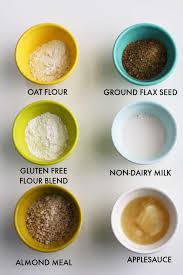
Instead of mixing your own flours for every recipe, the easiest way to start using gluten-free baking substitutes is to buy a pre-mixed commercial blend.
- What it is: A combination of two to four different flours (e.g., rice, potato, tapioca) plus a binder.
- Best for: Most standard recipes, like cookies, muffins, and quick breads.
- Action: Look for bags labeled “1-to-1” or “cup-for-cup”. Always check the label to ensure it already contains xanthan gum.
2. The High-Protein Flours (For Structure and Moisture)
These flours add nutrition and mimic some of the structure provided by gluten.
- What it is: Almond flour or certified gluten-free oat flour.
- Best for: Cakes, cookies, and soft muffins. They add a wonderful, moist crumb and a slight nutty flavor.
- Action: Substitute up to 1/4 to 1/3 of the total flour in a recipe with one of these. Remember to reduce the liquid slightly, as these flours absorb less.
3. The Starch Stabilizers (For Lightness)
Starches are essential gluten-free baking substitutes because they make the final product light and tender, preventing a brick-like texture.
- What it is: Tapioca starch (or tapioca flour), potato starch, or cornstarch.
- Best for: Adding tenderness to pancakes, thickening sauces, and providing the “stretch” in pizza doughs.
- Action: If mixing your own blend, starches should typically make up 25% to 30% of the total flour volume.
4. The Binding Agents (The Crucial Elasticity)
This is the most critical area of gluten-free baking substitutes—the binders replace gluten’s stickiness.
- What it is: Xanthan gum or psyllium husk powder.
- Best for: All yeast breads, cakes, and cookies that need to hold their shape.
- Action: Xanthan gum is used in tiny amounts (usually 1/2 tsp per cup of flour in cakes/cookies, up to 1 tsp per cup of flour in yeast breads). Psyllium husk is excellent for mimicking the chewiness of bread.
5. The Moisture Enhancers (Preventing Dryness)
Gluten-free flours often absorb less liquid during mixing but lose moisture quickly during baking, resulting in a dry product.
- What it is: Apple sauce, mashed banana, sour cream, or extra eggs.
- Best for: Preventing dryness in muffins, brownies, and quick breads.
- Action: Add 2 to 3 tablespoons of one of these moisture enhancers to your recipe. This small step significantly improves the texture and shelf life.
Tips for Consistent Gluten-Free Baking Substitutes
Ensure your baking is consistent every time:
- Weigh Your Flour: Measuring cups can be inaccurate, especially with light gluten-free flours. For best results, use a kitchen scale to weigh your ingredients. This practice guarantees precise results when using gluten-free baking substitutes.
- The Freeze Test: Many gluten-free doughs (especially cookie doughs) benefit from being chilled or even frozen briefly before baking. This helps them hold their shape and prevents spreading.
Baking for Health and Heart
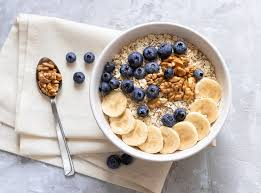
Using whole grain gluten-free baking substitutes like oat flour or sorghum flour, alongside nutritious add-ins like almond flour, boosts the fiber and nutrient content of your treats. Providing healthy, homemade baked goods is a fantastic way to control sugar and fat intake, factors critical for maintaining your child’s energy levels and promoting long-term cardiovascular health. A balanced diet, even when it includes treats, sets a positive foundation for wellness. For more expert guidance on family nutrition and heart health, visit cardiachq.com.
Your Turn!
We’ve covered the 5 essential gluten-free baking substitutes. Which one of these substitutes are you going to incorporate into your next baking project—the high-protein almond flour or the binding powerhouse, xanthan gum? Share your next gluten-free baking goal (cookies, bread, or muffins) in the comments below!