Discover the 7 best gluten-free whole grains for kids to easily boost their nutrition, support healthy growth, and make mealtime exciting! Learn simple ways to incorporate these superfoods into your family’s diet.
Introduction
Gluten-free whole grains for kids are a vital part of a healthy diet, especially when considering that roughly 1.7 percent of the global population is affected by celiac disease or has a gluten sensitivity. Choosing these nutrient-dense options ensures your child receives essential vitamins, minerals, and fiber without the potential digestive distress associated with gluten. Make the switch today to see a positive impact on your child’s energy and overall well-being.
The Power of Gluten-Free Whole Grains for Kids
Incorporating gluten-free whole grains for kids into daily meals offers tremendous benefits beyond just avoiding gluten. Whole grains are packed with fiber, which is crucial for a healthy digestive system, preventing constipation, and maintaining stable blood sugar levels. They are also excellent sources of B vitamins, iron, magnesium, and antioxidants, all of which support growth, brain function, and a strong immune system. When you choose whole grain over refined grain options, you’re giving your child a nutritional powerhouse that sustains energy throughout their busy day.
7 Essential Gluten-Free Whole Grains for Kids
Here are 7 powerhouse gluten-free whole grains for kids that are easy to find, versatile, and delicious. You’ll find simple ways to include them in your family’s favorite meals.
1. Oats (Certified Gluten-Free)
Oats are perhaps the most popular and easiest whole grain to introduce. Make sure they are certified gluten-free to avoid cross-contamination.
- Why they’re great: They contain a powerful fiber called beta-glucan, which is known to support heart health and help regulate cholesterol. They’re also a great source of manganese and phosphorus.
- How to use them: Serve them as warm oatmeal for breakfast, blend them into smoothies for thickness, or use oat flour in baking cookies and pancakes.
2. Quinoa
Quinoa is often called a “superfood” for good reason. It’s a complete protein, meaning it contains all nine essential amino acids—a rare quality for a plant food.
- Why they’re great: It’s rich in protein and fiber, making it incredibly filling and great for sustained energy. It also offers a significant amount of iron and magnesium.
- How to use them: Swap rice for quinoa as a side dish, mix it into salads, or use it as a base for morning porridge instead of oatmeal.
3. Brown Rice
Unlike white rice, brown rice retains its bran and germ, which are loaded with nutrients. It is the most universally accepted and least allergenic grain.
- Why they’re great: Brown rice is an excellent source of manganese and a good way to get fiber. It’s gentle on the stomach and a familiar texture for most kids.
- How to use them: Use it for lunch or dinner as a side dish, in stir-fries, or in homemade rice pudding.
4. Millet
Millet is a small, round grain that cooks quickly and has a mild, slightly nutty flavor. It’s highly digestible and very budget-friendly.
- Why they’re great: It provides a great source of phosphorus, essential for bone health, and magnesium. It’s also alkaline, which makes it easy on the digestive system.
- How to use them: Cook it like a creamy polenta, add it to bread dough for texture, or pop it like popcorn for a healthy snack.
5. Buckwheat
Despite its name, buckwheat is not related to wheat; it’s a naturally gluten-free seed. It’s recognizable as the main ingredient in soba noodles or kasha.
- Why they’re great: Buckwheat is high in rutin, a flavonoid that may support circulation. It’s also a strong source of fiber, protein, and B vitamins.
- How to use them: Serve kasha (toasted buckwheat groats) as a savory side, use buckwheat flour for light and fluffy pancakes or waffles, or buy gluten-free soba noodles.
6. Sorghum
Sorghum is one of the most widely grown grains in the world, and it’s quickly gaining recognition as a nutritional star in the West.
- Why they’re great: It is very high in antioxidants and rich in essential nutrients like iron and fiber. Popped sorghum is a high-fiber alternative to popcorn.
- How to use them: Grind it into flour for baking, pop the kernels, or cook the whole grain and use it in place of couscous in recipes.
7. Teff
Teff is the world’s smallest grain, a staple in Ethiopian cooking (used to make injera flatbread). A little goes a long way with this tiny grain.
- Why they’re great: Teff is incredibly rich in calcium (essential for growing bones), iron, and protein. Its high iron content is particularly beneficial for active children.
- How to use them: Use teff flour to make injera-style flatbreads or use the whole grain to make a thick hot cereal.
Practical Tips for Incorporating Gluten-Free Whole Grains for Kids
Making the switch is simple when you focus on small, consistent changes. Remember, you want to make these foods fun and familiar for your children.
- Baking Swaps: When baking, replace up to a quarter of your regular flour with a gluten-free whole grain for kids like oat flour or sorghum flour.
- Mix-Ins: Cooked quinoa or millet is nearly undetectable when mixed into meatloaf, meatballs, or chili. This is a great way to sneak in extra nutrition.
- Snack Upgrade: Switch from traditional pretzels or crackers to options made with brown rice or corn. Popped sorghum makes a fantastic, airy snack.
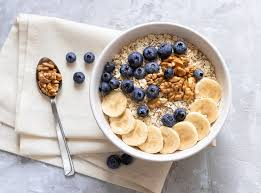
- Breakfast Boost: Make a big batch of certified gluten-free oatmeal and mix in fun toppings like berries, cinnamon, and a little maple syrup. This is a simple, effective way to get a key gluten-free whole grain for kids into their morning routine.
You’ll notice that once you start looking, many foods already feature these amazing gluten-free whole grains for kids. It just takes a conscious effort to select the whole grain versions over the refined ones.
Prioritize Heart Health with Gluten-Free Whole Grains for Kids
While your main goal might be to avoid gluten, the added benefit of choosing whole grains is their impact on cardiovascular health. The fiber in these grains helps manage blood pressure and cholesterol levels, setting the foundation for a healthy heart later in life. Teaching your children to love these foods now is an investment in their long-term health. For more detailed information and resources on maintaining a healthy lifestyle and monitoring heart health for the whole family, you can explore the information available on cardiachq.com.
Your Turn!
Now that you’ve learned about the 7 essential gluten-free whole grains for kids, which one are you most excited to try first? Do you think your child would prefer a new rice-swap like quinoa or a new breakfast like teff porridge? Share your favorite grain swap idea or recipe in the comments below! I’d love to hear how you introduce these amazing foods into your family’s meals!