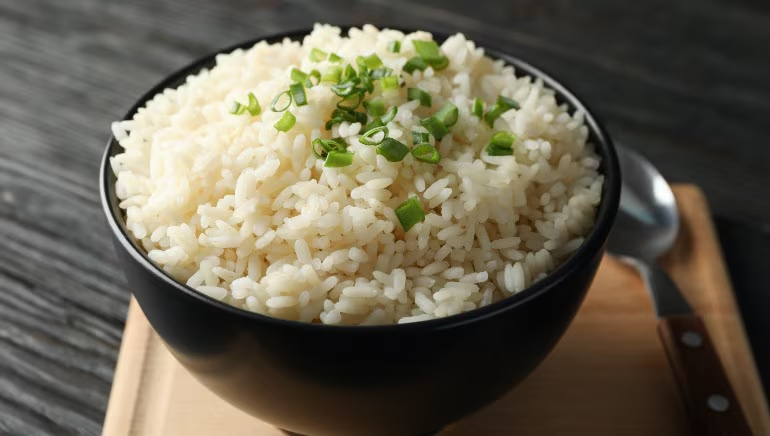
White rice and heart health have a complex relationship that every rice eater should understand. Many people worry that eating white rice will damage their heart. The truth is more nuanced. This article explores two evidence-based strategies: substituting whole grains and adopting a heart-healthy dietary pattern. These approaches can help you protect your coronary arteries while still enjoying rice in moderation.
What Does the Science Say About White Rice and Heart Health?
White rice and heart health have been the subject of extensive research over the past decade. The evidence presents a more complex picture than many people assume.
White rice is a refined grain. The milling process removes the bran and germ, leaving only the starchy endosperm. This stripped-down grain contains little fiber, minerals, or other nutrients. Refined grains like white rice digest rapidly, causing quick rises in blood glucose and insulin.
But does this mean white rice directly causes heart disease? The research says no.
A 2022 meta-analysis of 17 prospective cohort studies involving over 875,000 participants found that refined grain intake was not associated with risk of cardiovascular disease. White rice intake was also not associated with risk of CVD (HR = 0.93, 95% CI 0.86-1.00).
Another systematic review and meta-analysis including 1,777,059 individuals found that higher white rice consumption has not been shown to be associated with increased risk of coronary heart disease, stroke, or type 2 diabetes. A pooled analysis of three U.S. cohorts with 207,556 participants reached similar conclusions.
However, white rice consumption may be associated with increased risk of metabolic syndrome in certain populations. A 2015 systematic review found a positive association between white rice intake and risk factors for CVD including metabolic syndrome and type 2 diabetes.
Dr. Sarah Lim, a cardiologist at Stanford University Medical Center, explains: “White rice itself is not the enemy. The problem is the overall dietary pattern. When white rice displaces whole grains, vegetables, and other nutrient-dense foods, that is when heart health suffers.”
Strategy 1: Substitute Whole Grains for White Rice
Whole grain substitution offers one of the most effective ways to protect your heart while still enjoying rice-based meals.
What Are Whole Grains?
Whole grains contain the entire grain kernel: the bran, germ, and endosperm. The bran provides fiber, protein, B vitamins, and minerals. The germ offers protein, fatty acids, and antioxidants. When whole grains remain intact, the bran protects the starchy endosperm from rapid digestion, reducing glycemic responses.
Common whole grains include:
- Brown rice
- Oats
- Quinoa
- Barley
- Whole wheat
- Millet
- Farro
What the Research Shows About Whole Grain Substitution
A 2026 randomized controlled trial in Indonesia examined the effect of carbohydrate type on lipid profiles in patients with coronary heart disease. Participants consumed either refined white rice (simple carbohydrate) or unrefined brown rice (complex carbohydrate) for four weeks. The complex carbohydrate group demonstrated a significantly greater reduction in small dense low-density lipoprotein (sdLDL) levels. Significant improvements in total cholesterol, LDL cholesterol, and HDL cholesterol were also observed. The researchers concluded that complex carbohydrate intake resulted in more favorable modulation of atherogenic lipid profiles.
A 2025 study published in Nutrients investigated the acute vascular effects of eating pulses or whole grains compared to white rice. Participants with established arterial stiffness ate either black beans, whole wheat kernels, or white rice. Peripheral and central systolic blood pressure increased by 4% after eating white rice. Eating whole wheat significantly reduced arterial stiffness from 26.1% to 16.2% two hours after consumption. The researchers concluded that eating whole wheat or beans acutely improved overall vascular and heart health when compared to white rice.
A 2000 study on patients with coronary artery disease found that replacing refined rice with whole grain as a carbohydrate source showed significant beneficial effects on glucose, insulin, homocysteine concentrations, and lipid peroxidation. These effects substantially reduce risk factors for CAD.
Substituting parboiled brown rice for white rice for three months showed potential benefit on glycaemia among participants with metabolic syndrome.
Expert Interview: A Dietitian’s Perspective on White Rice and Heart Health
We spoke with Dr. Maria Santos, PhD, RD, a registered dietitian and nutrition researcher at the University of California, Davis.
Q: Should people with heart disease avoid white rice completely?
“No,” Santos says. “White rice and heart health can coexist. The key is not elimination but substitution. Replace some of your white rice with whole grains.”
Q: What is the most important change people can make?
“Whole grain substitution is the most impactful change. Replace half your white rice with brown rice, quinoa, or barley. This simple swap improves fiber intake and reduces the glycemic load of your meal.”
Q: What about people who do not like brown rice?
“Try mixing them. Start with three-quarters white rice and one-quarter brown rice. Gradually increase the brown rice proportion. Your taste buds will adapt. You can also try other whole grains like farro or barley.”
Q: Any other advice?
“Focus on the overall dietary pattern. White rice and heart health depend on what else is on your plate. Pair rice with vegetables, legumes, and lean protein. Limit processed meats and added fats.”
How to Substitute Whole Grains Practically
Here are simple ways to incorporate whole grain substitution:
- Mix brown rice with white rice: Start with a 50-50 blend and adjust.
- Try quinoa: Use quinoa instead of rice in salads and side dishes.
- Add barley to soups: Barley adds fiber and texture to soups and stews.
- Choose whole grain bread: Replace white bread with whole grain varieties.
- Experiment with farro: This ancient grain works well in grain bowls.
- Use oats for breakfast: Start your day with oatmeal instead of white rice.
The Heart Foundation recommends simple swaps like choosing brown rice instead of white rice.
Strategy 2: Adopt a Heart-Healthy Dietary Pattern
White rice and heart health are best understood within the context of your overall diet. The 2026 Dietary Guidance to Improve Cardiovascular Health from the American Heart Association emphasizes overall dietary patterns rather than single nutrients.
The 2026 AHA Dietary Guidance
The American Heart Association published updated dietary guidance in March 2026 in the journal Circulation. The guidance outlines nine key features of a heart-healthy dietary pattern:
- Balance energy intake and expenditure to maintain a healthy weight.
- Eat plenty of vegetables and fruits and choose a wide variety.
- Choose foods made mostly with whole grains rather than refined grains.
- Choose healthy sources of protein: focus on legumes, nuts, seeds, fish, and seafood.
- Choose unsaturated fats in place of saturated fats.
- Choose minimally processed foods instead of ultraprocessed foods.
- Minimize added sugars in beverages and foods.
- Choose foods low in sodium.
- Limit alcohol consumption.
Dr. Alice H. Lichtenstein, volunteer chair of the scientific statement writing committee, noted that the science supporting this guidance has strengthened. The guidance emphasizes swapping out unhealthy choices for healthier ones.
Why Dietary Pattern Matters for White Rice and Heart Health
The 2026 AHA guidance specifically recommends choosing whole grains like brown rice and oatmeal over refined grains including white bread and white rice. This recommendation is not about demonizing white rice. It is about prioritizing nutrient-dense foods.
Harvard Health Publishing explains that at least half of adults in the United States have unhealthy diets, which can contribute to high blood pressure, obesity, and cardiovascular disease. Following the AHA’s nine key features can help people protect their cardiovascular health.
The World Health Organization also emphasizes that an unhealthy diet is one of the major risk factors for cardiovascular diseases. WHO recommends eating more fruit, vegetables, legumes, nuts, and whole grains.
Understanding Refined Grains and Cardiovascular Risk
A 2025 study across 21 countries found that higher intakes of refined grains were associated with higher systolic blood pressure. High intake of refined grains was associated with higher risk of mortality and major cardiovascular disease events.
However, no significant associations were found between intakes of whole grains or white rice and health outcomes. This suggests that the problem may be refined grains in general, rather than white rice specifically.
A Harvard analysis presented at NUTRITION 2026 found that diet quality mattered more than food processing for heart and diabetes risk. Unhealthy minimally processed foods like white rice, fruit juice, and potatoes were associated with higher risk.
Practical Tips for Adopting a Heart-Healthy Pattern
Here are actionable steps to improve white rice and heart health through dietary pattern:
- Make half your plate vegetables at every meal.
- Replace half your white rice with whole grains.
- Add legumes to rice dishes: beans, lentils, or chickpeas.
- Choose fish twice a week instead of red meat.
- Use olive oil instead of butter or lard.
- Limit processed foods and added sugars.
- Reduce sodium by using herbs and spices.
Expert Interview: A Cardiologist’s Perspective
We spoke with Dr. James Park, MD, FACC, an interventional cardiologist at Mount Sinai Hospital in New York.
Q: How concerned should patients be about white rice and heart health?
“White rice and heart health is a nuanced topic,” Park says. “White rice is not inherently harmful, but it is not particularly beneficial either. The concern is when it displaces more nutrient-dense foods.”
Q: What do you recommend to patients who eat rice daily?
“I recommend whole grain substitution. Replace at least half of your white rice with brown rice, quinoa, or barley. This simple change increases fiber intake and reduces glycemic load.”
Q: Any other advice for heart health?
“Focus on the overall dietary pattern. The 2026 AHA guidance is excellent. Follow the nine key features. And remember that physical activity, stress management, and sleep are equally important for heart health.”
Q: What about patients who have already had a heart attack?
“For secondary prevention, dietary changes are crucial. The 2023 AHA/ACC guidelines explicitly recommend limiting refined carbohydrates including white rice for patients with chronic coronary disease. Whole grain substitution is particularly important for these patients.”
Real Stories: How People Improved White Rice and Heart Health
David’s Story
David, 62, had a heart attack five years ago. He ate white rice with every meal. His cardiologist recommended whole grain substitution.
“I love rice,” David says. “I did not want to give it up. My doctor suggested mixing brown rice with white rice. I started with 25% brown rice and gradually increased to 50%. Now I actually prefer the nutty flavor of brown rice.”
David’s LDL cholesterol dropped from 130 to 95 mg/dL over six months. His blood pressure also improved.
Maria’s Story
Maria, 55, has a family history of heart disease. She wanted to protect her heart without giving up her cultural diet. She adopted the AHA’s dietary pattern approach.
“I still eat rice, but I changed what I eat with it,” Maria says. “I now fill half my plate with vegetables. I add beans or lentils to my rice dishes. I use olive oil instead of butter. These small changes made a big difference.”
Maria’s total cholesterol dropped from 220 to 185 mg/dL in one year.
Frequently Asked Questions About White Rice and Heart Health
Does white rice cause heart disease?
No. Research shows that white rice consumption is not associated with increased risk of coronary heart disease or stroke.
Is brown rice better for heart health than white rice?
Yes. Brown rice contains more fiber, vitamins, and minerals than white rice. Whole grain substitution can improve lipid profiles and reduce cardiovascular risk factors.
How much white rice can I eat with heart disease?
The 2023 AHA/ACC guidelines recommend limiting refined carbohydrates including white rice for patients with chronic coronary disease. Work with your healthcare provider to determine appropriate portions.
Can I eat white rice if I have high cholesterol?
Yes, but whole grain substitution is recommended. Replace at least half of your white rice with brown rice, quinoa, or barley. This can help improve your lipid profile.
What is the best diet for heart health?
The 2026 AHA dietary guidance outlines nine key features of a heart-healthy dietary pattern. Focus on whole grains, vegetables, fruits, healthy proteins, and unsaturated fats.
Practical Tips for Managing White Rice and Heart Health
Here are actionable steps you can take today:
- Substitute whole grains: Replace half your white rice with brown rice, quinoa, or barley.
- Fill half your plate with vegetables: Add vegetables to every rice-based meal.
- Add legumes: Include beans, lentils, or chickpeas in rice dishes.
- Choose healthy fats: Use olive oil instead of butter or lard.
- Limit processed foods: Reduce intake of ultraprocessed foods and added sugars.
- Reduce sodium: Use herbs and spices instead of salt.
- Choose fish twice a week: Replace red meat with fish or seafood.
- Follow the AHA guidance: Adopt the nine key features of a heart-healthy dietary pattern.
The Bottom Line on White Rice and Heart Health
White rice and heart health do not have to be at odds. Research shows that white rice consumption is not directly associated with increased risk of coronary heart disease or stroke. However, whole grain substitution can improve lipid profiles and reduce cardiovascular risk factors.
The 2026 AHA dietary guidance recommends choosing whole grains like brown rice and oatmeal over refined grains including white bread and white rice. The World Health Organization also emphasizes eating more whole grains to reduce cardiovascular disease risk.
You do not need to give up white rice. You need to be smarter about how you incorporate it into your overall dietary pattern. Whole grain substitution and adopting a heart-healthy dietary pattern are the two most effective strategies.
We Want to Hear From You
Have you tried substituting whole grains for white rice? Did it improve your heart health markers? What strategies work best for you? Share your experience in the comments below. Your story might help someone else manage their white rice and heart health more effectively.
References
- Mozaffarian D. Dietary and Policy Priorities for Cardiovascular Disease, Diabetes, and Obesity. Circulation. 2016;133:187-225. https://www.ahajournals.org
- Nofia VR, Angraini SS, Herlina A, et al. Effect of carbohydrate type on small dense low-density lipoprotein levels in patients with coronary heart disease: a randomized controlled trial. Medisains. 2026;24(1). https://jurnalnasional.ump.ac.id
- American Heart Association. 2026 Dietary Guidance to Improve Cardiovascular Health: A Scientific Statement From the American Heart Association. Circulation. 2026. https://www.ahajournals.org
- Krittanawong C, Tunhasiriwet A, Zhang HJ, et al. Is white rice consumption a risk for metabolic and cardiovascular outcomes? A systematic review and meta-analysis. Heart Asia. 2017;9(2):e010909. https://heartasia.bmj.com
- Gaesser GA. Refined grain intake and cardiovascular disease: Meta-analyses of prospective cohort studies. Trends Cardiovasc Med. 2024;34(1):59-68. https://pubmed.ncbi.nlm.nih.gov/36075506
- Muraki I, et al. Rice consumption and risk of cardiovascular disease: results from a pooled analysis of 3 U.S. cohorts. Am J Clin Nutr. 2015;101(1):164-72. https://pubmed.ncbi.nlm.nih.gov/25527760
- Izadi V, et al. Is there any association between rice consumption and some of the cardiovascular diseases risk factors? A systematic review. ARYA Atheroscler. 2015;11(Suppl 1):109-15. https://pubmed.ncbi.nlm.nih.gov/26261458
- Harvard Health Publishing. New guidelines detail what you should eat for a healthy heart. Harvard Health Letter. 2026. https://www.health.harvard.edu
- World Health Organization. Unhealthy diet and cardiovascular disease. WHO. 2026. https://www.who.int
- Heart Foundation. Wholegrains and heart health. 2024. https://www.heartfoundation.org.au
- MDPI Nutrients. Postprandial vascular responses to pulses, whole grains, and white rice. Nutrients. 2025;17(7):1159. https://www.mdpi.com
- CDC. Fiber: The Carb That Helps You Manage Diabetes. 2024. https://www.cdc.gov
- Tufts University. Addition…and Subtraction. Tufts Health & Nutrition Letter. 2025. https://www.nutritionletter.tufts.edu
For more evidence-based articles on nutrition and heart health, visit cardiachq.com.